
US Immigration Enforcement Drives Political Polarization Ahead of Midterm Elections
Aggressive US immigration enforcement operations under the Trump administration have sharply divided domestic voters and raised international economic concerns ahead of the 2026 midterm elections.
Geopolitical & Core Developments
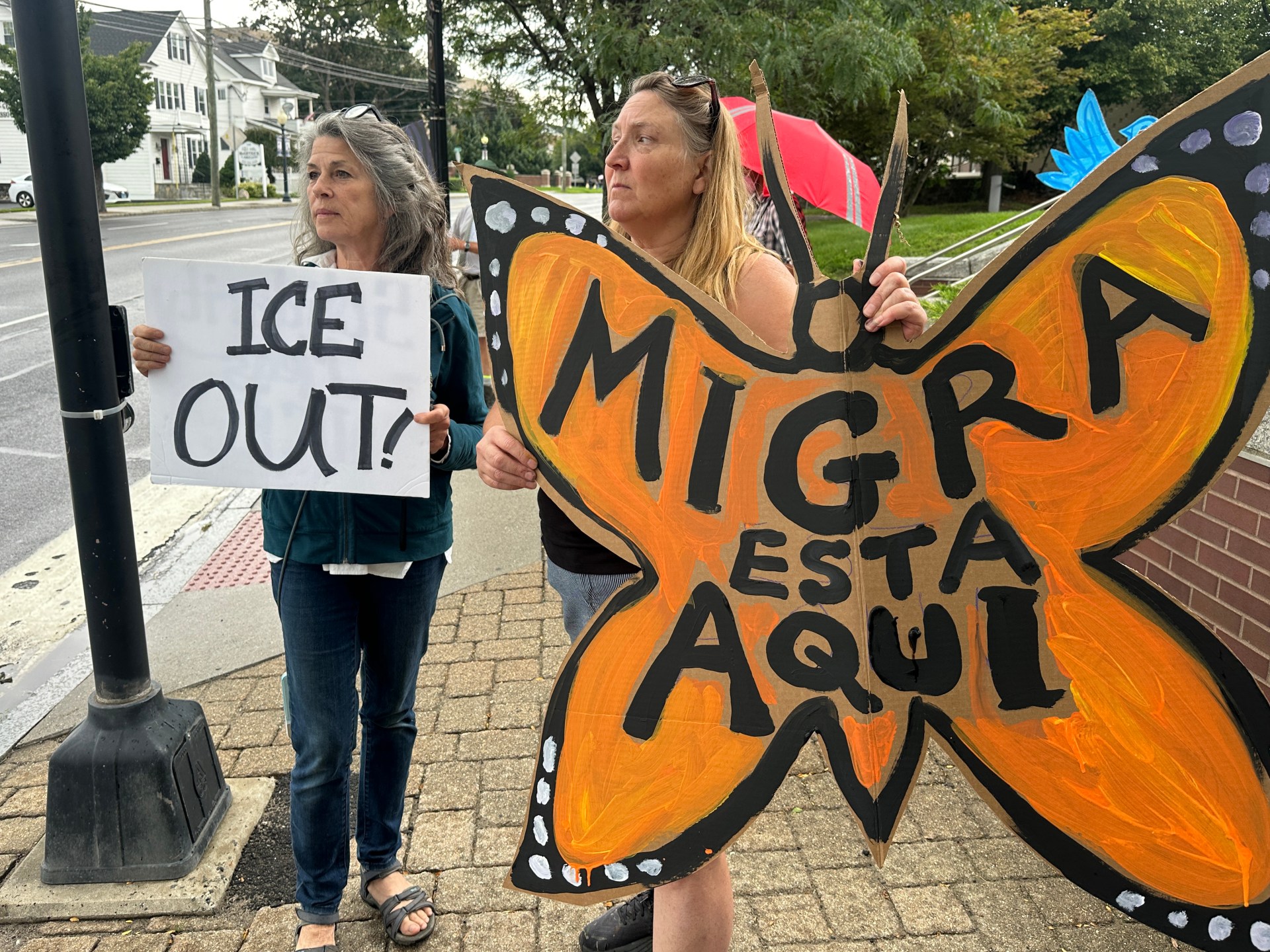
The escalation of enforcement operations carried out by the United States Immigration and Customs Enforcement (ICE) has emerged as a definitive domestic and diplomatic friction point leading into the 2026 congressional midterm elections. Opinion polls indicate a deeply fractured electorate, with voters sharply divided between endorsements of rigorous national border security and objections to the humanitarian and community disruptions caused by expanded deportation operations.
Under the direction of President Donald Trump, federal agencies have intensified workplace audits, metropolitan enforcement sweeps, and border interdiction programs. This hardline stance fulfills cornerstone campaign commitments aimed at consolidating conservative support. However, it has triggered substantial backlash in major urban hubs and key swing districts, where local authorities and civil liberties organizations have mounted legal challenges against federal overreach. The strategic stakes extend far beyond electoral politics, recalibrating Washington's bilateral relations with key regional partners, particularly Mexico, Guatemala, Honduras, and El Salvador, which now confront the diplomatic and logistical burden of managing accelerated repatriation flows.
[Global Trade](/news/us-midterm-voter-discontent-signals-global-trade-shifts) & Economic Ripples
Beyond domestic political ramifications, rigorous immigration enforcement is exerting measurable pressure on broader North American economic integration. Agricultural, construction, and food processing sectors across the United States remain fundamentally dependent on migrant labor. Heightened enforcement has catalyzed acute labor supply contractions in vital agricultural belts, pushing up farmgate production costs and compounding food inflation risks.
Supply chain disruptions are also rippling through cross-border freight and logistics. Increased vetting and security screening at southern border crossings have produced systemic transport bottlenecks, slowing the transit of industrial components, automotive assemblies, and perishable commodities governed by the United States-Mexico-Canada Agreement (USMCA). In currency markets, sovereign currencies across Central America face asymmetric risks as heightened deportation numbers threaten remittance inflows, which represent a substantial share of gross domestic product for economies such as Guatemala and Honduras. These capital inflows are critical for local consumer demand and current account stability.
Related Intelligence: US Midterm Voter Discontent Signals Major Shifts for Global Trade Policy
International Reactions & Diplomatic Stances
The aggressive trajectory of US domestic enforcement has elicited critical responses from international bodies and regional governments. United Nations human rights officials and the International Organization for Migration (IOM) have repeatedly urged the US administration to ensure due process and adhere strictly to international standards regarding the protection of asylum seekers and vulnerable populations.
Regionally, Mexican diplomatic channels have advocated for comprehensive labor mobility programs rather than unilateral deportation protocols, warning that abrupt expulsions place unsustainable pressures on border municipalities. In Latin American capitals, government officials have emphasized that structural border stability requires joint economic investment in source countries rather than punitive enforcement. Conversely, European and regional conservative political factions have observed the US model closely, framing robust border enforcement as an essential prerequisite for sovereign integrity.
Strategic Outlook & Future Scenarios
Looking toward the pivotal 2026 legislative race, immigration enforcement tactics will remain central to party platforms, directly influencing voter mobilization strategies across competitive battlegrounds. The Trump administration is projected to sustain elevated operational tempos to demonstrate policy delivery, which will likely prompt further resistance from municipal jurisdictions and state-level legal challenges.
In the medium term, sustained labor shortfalls in essential US industries may compel federal policymakers to reconsider guest worker framework expansions or face protracted supply-side friction. Internationally, upcoming bilateral meetings under the USMCA review framework could see immigration and cross-border security issues leveraged as tactical bargaining chips in trade negotiations. Should deportation volumes accelerate, regional tensions will intensify, elevating immigration enforcement from a contentious domestic debate into a systemic regional economic challenge.
Join Our Official WhatsApp Channel
Receive live commodity alerts, policy changes, and commercial intelligence directly on WhatsApp.