
Bus Collides With Train Near Channel Tunnel In France Injuring Nineteen
Nineteen people were injured after a bus collided with a stationary train at the French Channel Tunnel terminal, triggering emergency evacuations and temporary disruptions across key cross-Channel logistics routes.
Geopolitical & Core Developments
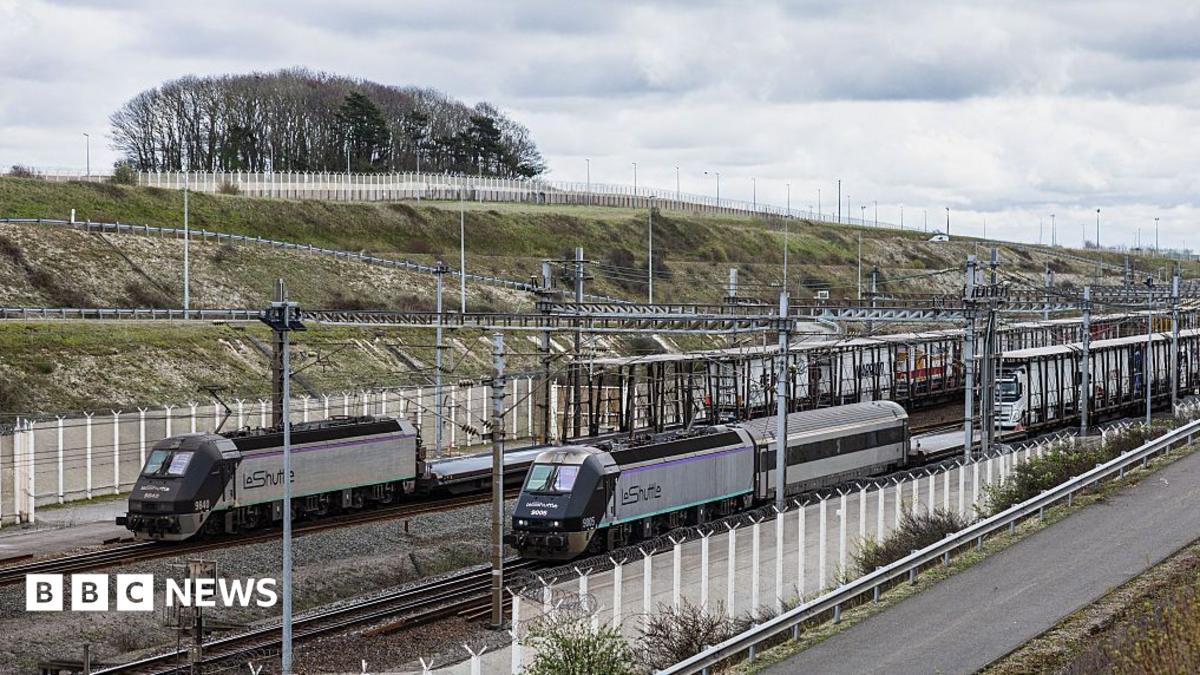
A serious transit collision unfolded on the French terminal perimeter of the Channel Tunnel complex near Coquelles, where a passenger coach collided directly with a stationary train. Regional emergency authorities confirmed nineteen individuals sustained injuries, with two passengers suffering severe trauma necessitating rapid airlift evacuation via medical helicopters. Prefecture officials reported that despite the severity of the primary impacts, no casualties appeared to be in immediate life-threatening condition.
The incident occurred within a critical infrastructure zone that serves as the primary terrestrial artery connecting the United Kingdom to mainland Europe. Emergency rescue units, gendarmes, and specialized rail-safety personnel converged on the perimeter to secure the wreckage, triage affected passengers, and initiate an immediate technical inquiry into trackside access control and vehicle operations. The Channel Tunnel operates under strict bi-national safety covenants governed by the Anglo-French Intergovernmental Commission (IGC), making any logistical disruption or perimeter breach a subject of joint administrative scrutiny. Initial findings point toward operational collision dynamics rather than systemic infrastructure sabotage, yet the shutdown of adjacent service lanes temporarily restricted vehicle embarkation processes.
[Global Trade](/news/us-midterm-voter-discontent-signals-global-trade-shifts) & Economic Ripples
While high-speed Eurostar passenger trains and Le Shuttle freight wagons maintain resilient, compartmentalized tracks, the incident produced instant operational friction across Dover-Calais supply chains. Multimodal freight operators rerouted transit vehicles away from affected embarkation bays, causing secondary congestion on access highways feeding the Hauts-de-France logistical hub.
The English Channel crossing represents an indispensable commercial nexus, facilitating over one-fifth of physical trade value between the UK and the European Union. Specialized supply chains reliant on just-in-time inventory—including automotive components, perishable pharmaceuticals, and premium agro-commodities—remain hyper-sensitive to localized delays at the Coquelles and Folkestone railheads. Freight forwarders noted modest increases in spot transport surcharges as road hauliers adjusted loading schedules. Currency and European equity markets absorbed the event without macro-level volatility, though industrial logistics indices recorded mild defensive posturing reflecting lingering risks associated with bottleneck dependencies in Western European transport infrastructure.
Related Intelligence: US Midterm Voter Discontent Signals Major Shifts for Global Trade Policy
International Reactions & Diplomatic Stances
French transport authorities and local prefecture leadership issued formal briefings commending the rapid coordination between civil protection squads, emergency medical teams (SAMU), and tunnel operator Getlink. The regional prefecture confirmed that a comprehensive judicial and safety inquiry has been initiated under the jurisdiction of the local public prosecutor to ascertain vehicle velocity, mechanical conditions, and possible signal anomalies.
British transport representatives established direct communication with their French counterparts under bilateral Channel safety protocols. While political figures in London expressed relief that no fatalities occurred, transport analysts and cross-border trade federations reiterated calls for reinforced safety zoning around terminal feeder roads. Industry bodies, including the European Logistics Association, underscored the necessity of robust perimeter isolation between rubber-tire auxiliary transports and active rail track beds to avoid systemic transit freezes.
Strategic Outlook & Future Scenarios
In the near term, authorities will focus on technical diagnostics regarding driver visibility, terminal signaling integrity, and emergency lane demarcations within the Coquelles complex. Full clearance of the site is anticipated to restore standard scheduling across all shuttle terminals, although administrative safety reviews may enforce tighter speed limits and modified perimeter circulation patterns for auxiliary coaches.
Over the medium horizon, the episode serves as an operational reminder of the physical vulnerabilities latent in single-point-of-failure commercial transit corridors. If the joint technical inquiry identifies procedural lapses in site-level traffic control, Getlink and regional transport bodies will face regulatory mandates to overhaul terminal navigation assets. Multilateral logistics operators will monitor the regulatory response closely, ensuring that cross-Channel haulage agreements incorporate enhanced risk mitigations against recurring operational standstills at premier border crossings.
Join Our Official WhatsApp Channel
Receive live commodity alerts, policy changes, and commercial intelligence directly on WhatsApp.