
Cameroon Faces Governance Void as President Biya Delays Succession Decisions
President Paul Biya's return to Cameroon without appointing a government reshuffle or vice president deepens institutional uncertainty, clouding economic stability across Central Africa.
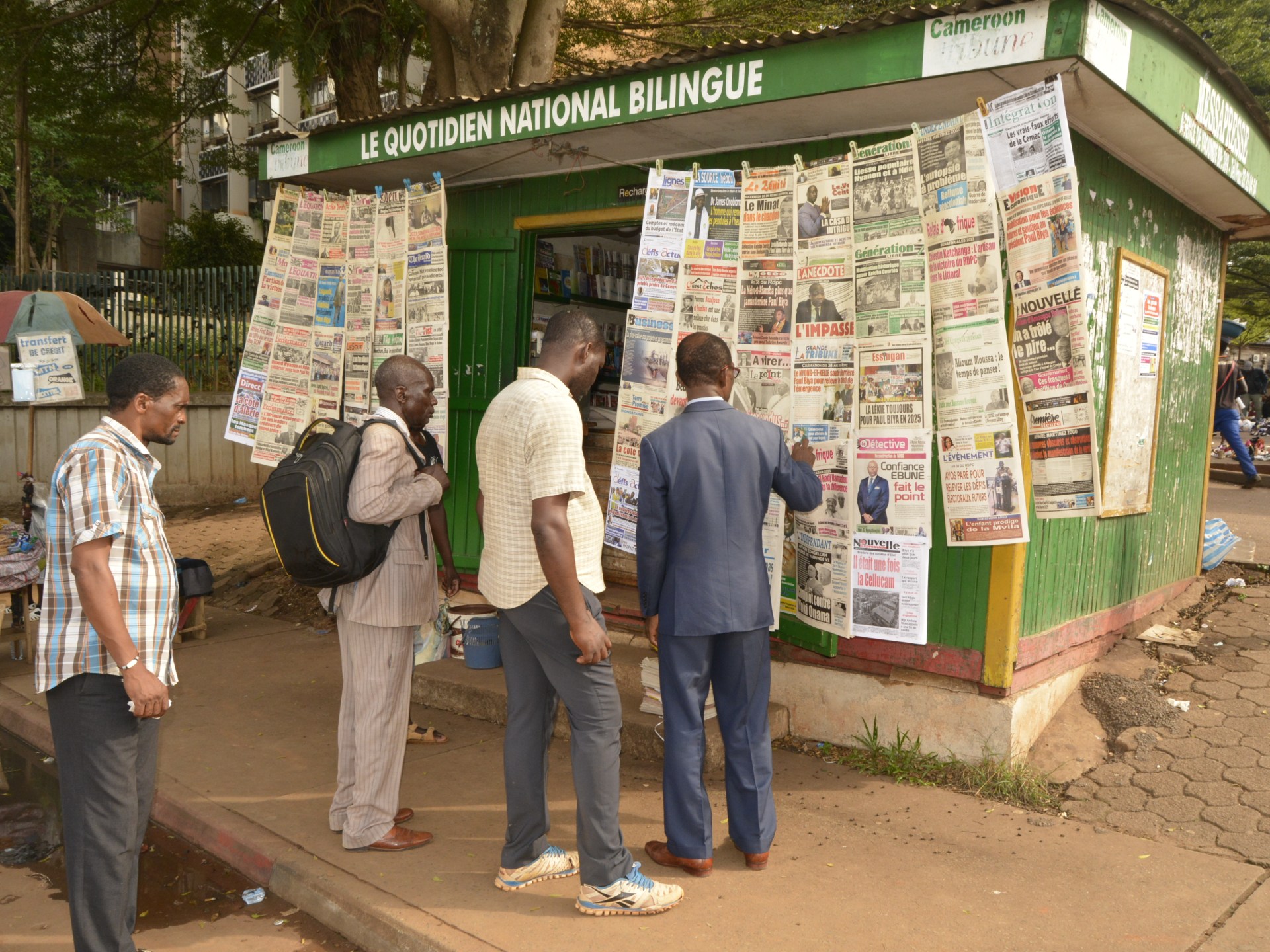
Geopolitical & Core Developments
Cameroon has entered a critical period of political ambiguity following the return of President Paul Biya after an extended ten-week absence abroad. The 91-year-old head of state, who has ruled the central African nation since 1982, touched down in the capital, Yaounde, amid mounting domestic and international expectations of an imminent cabinet reshuffle and the designation of a formal succession framework. However, the anticipated appointment of a new prime minister, executive ministers, or the creation of a constitutional vice-presidential post has failed to materialize, prolonging a bureaucratic freeze across state institutions.
The prolonged vacuum at the apex of Cameroon's executive branch comes against a backdrop of acute domestic and regional security challenges. Cameroon remains embroiled in a bitter conflict with Anglophone separatists in its Northwest and Southwest regions, while facing persistent incursions by Boko Haram militants in the Far North. Strategic actors in Paris, Washington, and regional bodies like the Economic Community of Central African States (ECCAS) have closely monitored Biya’s medical leaves and prolonged absences in Geneva, recognizing that an unmanaged succession could trigger internal fractionalization within the ruling Cameroon People's Democratic Movement (RDPC) and destabilize the broader Gulf of Guinea.
Global Trade & Economic Ripples
Cameroon serves as the primary economic engine of the Central African Economic and Monetary Community (CEMAC), functioning as the vital transit gateway for landlocked neighbors Chad and the Central African Republic. The administrative inertia stemming from the lack of ministerial appointments is directly affecting regulatory approvals, major infrastructure projects, and sovereign debt negotiations. Institutional delays in customs clearances and licensing have created logistical bottlenecks along the Douala-Ndjamena corridor, raising operational costs for regional freight operators and international transport companies.
In the commodities sector, Cameroon remains a significant exporter of crude oil, liquefied natural gas (LNG), cocoa, and tropical timber. Prolonged policy indecision threatens downstream energy contracts and state-led investments in the offshore Rio del Rey and Douala/Kribi-Campo basins. Furthermore, international agribusiness operators are monitoring cocoa output, as Cameroon is the world's fourth-largest producer. Disruptions in agricultural logistics or administrative licensing could introduce localized supply shocks into a global cocoa market already grappling with historically high volatility and tight inventories across West Africa.
International Reactions & Diplomatic Stances
Multilateral lenders and bilateral partners have expressed cautious concern regarding the state of public administration in Yaounde. The International Monetary Fund (IMF) and the World Bank, currently engaged in structural adjustment and fiscal reform programs with Cameroon, have underscored the necessity of robust governance, public financial management, and anti-corruption oversight. Market analysts warn that policy drift could hamper the execution of budgetary targets and sovereign revenue mobilization.
Western diplomatic missions, including those of France and the United States, have maintained formal communication channels while discreetly reiterating the importance of institutional continuity and democratic governance ahead of the scheduled 2025 presidential election. International human rights organizations and regional think tanks have noted that the centralization of power in an aging presidency without clear delegation creates operational risks that dissuade long-term foreign direct investment.
Strategic Outlook & Future Scenarios
The trajectory of Cameroon's political stability hinges on whether President Biya moves to formally institutionalize executive power in the coming weeks. Scenario planning by political risk consultancies highlights three dominant paths: an elite consensus reshuffle that consolidates technocrats to manage macroeconomic affairs; an intensification of factional infighting among presidential confidants and security chiefs; or continued administrative inertia leading up to the 2025 electoral cycle.
Should the government fail to establish a functional transition mechanism, sovereign bond yields could face upward pressure, reflecting elevated political risk premiums. Investors and multilateral institutions will closely watch the next legislative session for constitutional maneuvers or decree announcements that clarify the line of succession, an outcome essential to preserving stability across Central Africa's core trading corridors.
Join Our Official WhatsApp Channel
Receive live commodity alerts, policy changes, and commercial intelligence directly on WhatsApp.