
Albanian Unrest Escalates as Prime Minister Alleges Foreign Interference Amid Student Clashes
Albania faces widening unrest as student protests over corruption enter their fourth day. Prime Minister Edi Rama has blamed foreign adversaries, raising risks for Balkan stability and European Union accession talks.
Geopolitical & Core Developments
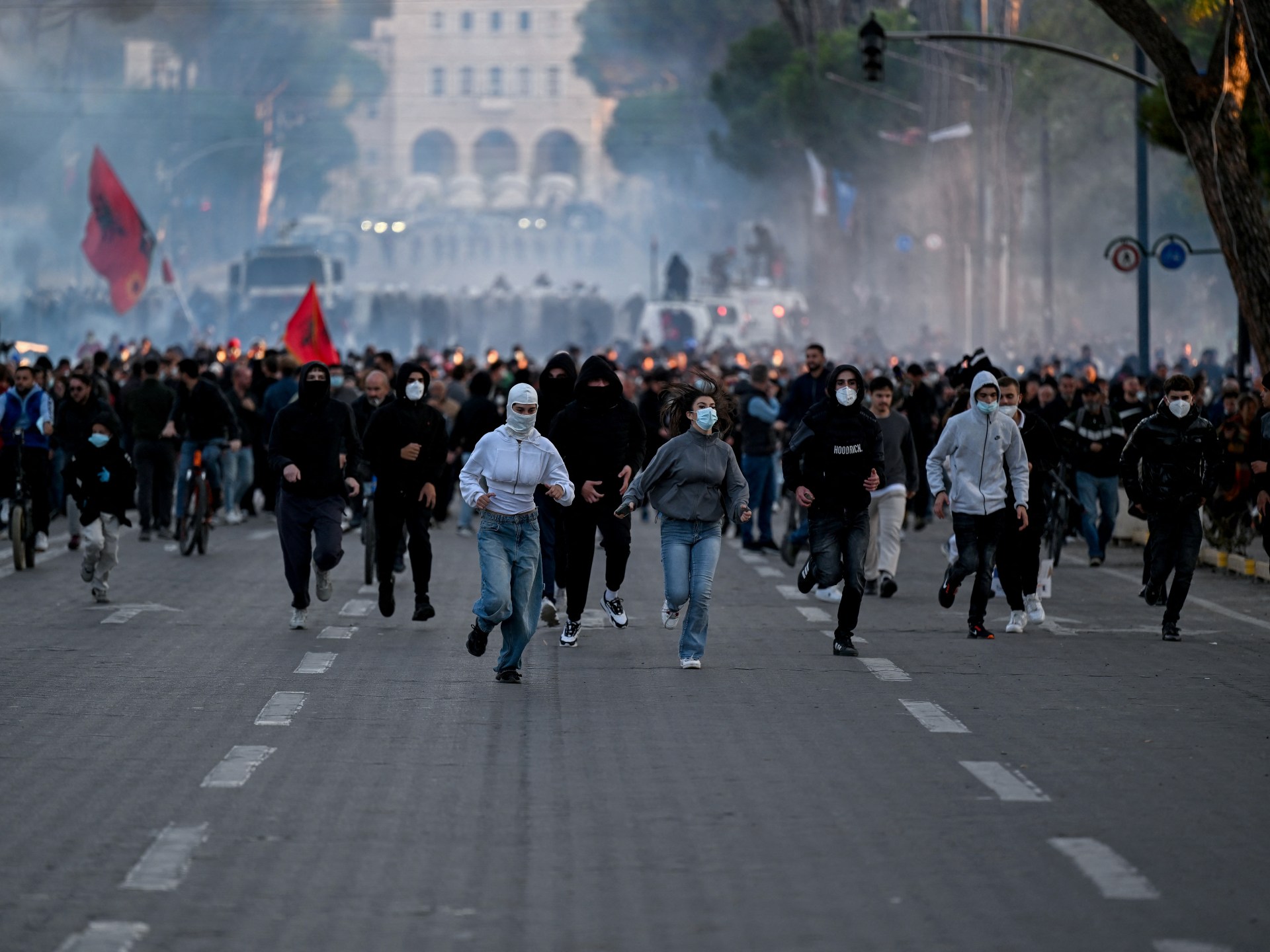
Tirana has entered its fourth consecutive day of violent confrontations between riot police and student-led demonstrators, marking a severe escalation in domestic unrest within the Western Balkans. The demonstrations, which initially mobilized around systemic corruption, underfunded university infrastructure, and exorbitant tuition fees, have rapidly transformed into a broader anti-government movement demanding institutional accountability. Security forces deployed tear gas and water cannons across major administrative districts as crowds attempted to breach government perimeters, leading to dozens of detentions and injuries among both demonstrators and police personnel.
In a televised national address, Albanian Prime Minister Edi Rama dismissed the legitimacy of the escalating dissent, asserting that hostile foreign actors were orchestrating the unrest to destabilize the country. Rama did not publicly name specific states, but diplomatic analysts suggest the rhetoric points to regional adversaries seeking to derail Albania's alignment with Western security frameworks. The opposition has vehemently rejected the prime minister's assertions, accusing the administration of deflecting attention from deep-seated economic stagnation, youth disenfranchisement, and widespread state graft. The standoff underscores a fragile domestic environment in a NATO member state positioned at a critical geopolitical crossroads in Southeastern Europe.
Global Trade & Economic Ripples
While Albania is not a primary driver of global financial indices, prolonged civil disruption carries direct commercial ramifications for Balkan trade corridors, transit energy logistics, and regional foreign direct investment. Tirana serves as an integral node for Adriatic transit links and regional road networks connecting Southern Europe to the inland Western Balkans. Prolonged logistical blockades in the capital and surrounding transport arteries threaten the efficiency of local supply chains, creating bottlenecks for cross-border freight moving between Greece, North Macedonia, and Italy.
Furthermore, the unrest injects immediate volatility into Albania's sovereign risk profile, dampening investor sentiment across the commercial real estate, tourism, and energy extraction sectors. Foreign direct investment inflows, particularly from European Union member states targeting Albanian offshore and solar energy initiatives, face deferment as multinational firms reassess operating stability. The uncertainty also poses risks for the national currency, the lek, potentially raising import costs for essential commodities, including refined fuel, agricultural fertilizers, and grain imports, thereby aggravating domestic inflationary pressures.
Related Intelligence: US School Attack Highlights Domestic Fragilities and Governance Vulnerabilities
International Reactions & Diplomatic Stances
The European Commission and Western diplomatic missions have voiced measured concern regarding the deteriorating situation in Tirana. The European Union delegation issued a statement urging maximum restraint from law enforcement while reiterating the necessity for peaceful assembly and constructive civic dialogue. Given Albania's status as an EU candidate nation actively engaged in accession negotiations, Brussels officials noted privately that institutional overreach or crackdowns on civil society could negatively influence upcoming progress assessments.
United States diplomatic officials in Tirana echoed calls for de-escalation, emphasizing that claims of foreign interference require substantive legal and investigative scrutiny rather than political rhetoric. Transatlantic security analysts emphasize that sustained domestic turbulence inside a NATO ally creates operational vulnerabilities in an already contested European periphery, where external powers routinely exploit civic fault lines to weaken Western integration initiatives.
Strategic Outlook & Future Scenarios
The immediate trajectory of the crisis hinges on whether the government initiates credible structural negotiations with civil society or doubles down on security crackdowns and external blame narratives. A failure to pacify the protests through economic concessions and governance reforms risks unifying disparate labor unions, civil service workers, and political opposition factions behind the student vanguard, potentially paralyzing Tirana's administrative machinery.
Over the medium term, should allegations of foreign subversion be formally formalized by the executive branch, Tirana could seek diplomatic redress through bilateral channels or NATO consultative mechanisms. Conversely, persistent street clashes will directly impair Albania's European integration timeline, giving skeptical EU member states rationale to stall negotiating clusters. International commercial operators and logistical carriers must prepare for sustained localized disruptions and evaluate alternative commercial routes throughout the Adriatic corridor as the political confrontation continues.
Join Our Official WhatsApp Channel
Receive live commodity alerts, policy changes, and commercial intelligence directly on WhatsApp.