
US Senate Debates Signal Heightened Trade Scrutiny and Fiscal Friction
Recent high-stakes US Senate debates highlight deep ideological divides over trade, energy independence, and foreign policy, signaling significant headwinds for multilateral agreements and global market stability.
Geopolitical & Core Developments
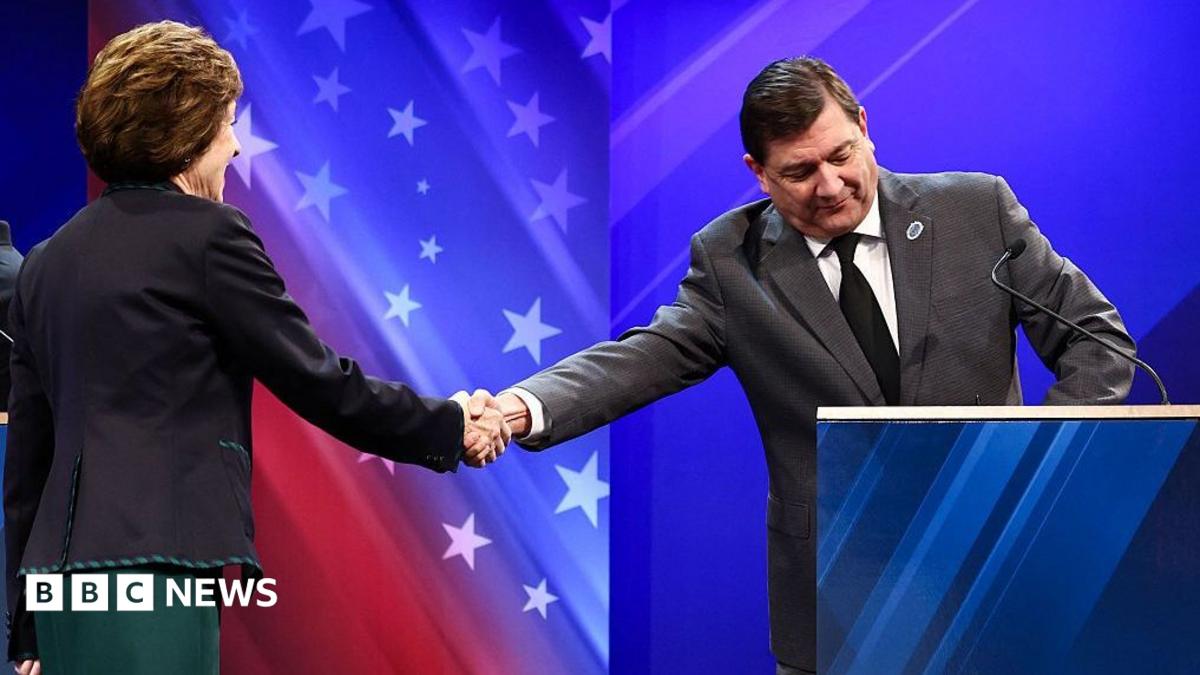
The intense debates across battleground states ahead of the upcoming United States midterm elections have laid bare fundamental divisions over the trajectory of American foreign policy and economic governance. With control of the Senate hanging on razor-thin margins in states such as Pennsylvania, Georgia, Ohio, and Nevada, the rhetorical clashes between Democratic and Republican candidates have moved well beyond local grievances. Instead, candidates have sparred extensively over structural questions: strategic competition with China, sovereign supply chain security, prolonged commitments to European defense, and the future of domestic energy production.
Historically, the composition of the Senate exercises disproportionate influence over Washington's international footprint through treaty ratifications, diplomatic confirmations, and critical oversight of export controls. Candidates representing the Republican platform have leaned heavily into protectionist rhetoric, demanding stricter tariff regimes, domestic fossil fuel resurgence, and critical reassessments of foreign assistance. Conversely, Democratic incumbents have defended massive industrial intervention programs—namely clean energy investments and domestic semiconductor manufacturing initiatives—while advocating for sustained diplomatic cohesion with international allies. The emerging discourse underscores that regardless of the exact electoral outcome, Washington is cementing an era of defensive industrial strategy and heightened geopolitical competition.
Global Trade & Economic Ripples
The economic implications of the policy positions presented in the debates reverberate across global financial and commodity markets. For energy sectors, the divergent platforms present distinct scenarios. An opposition-controlled legislature promises immediate pressure to loosen domestic oil and gas permitting, build export terminals, and counter restrictions on federal drilling. Such actions could increase US liquefied natural gas (LNG) export volumes toward Europe and Asia over the medium term, impacting benchmark natural gas prices and global tanker availability.
Furthermore, global supply chains remain sensitive to potential legislative deadlocks or aggressive trade oversight. Intensified bipartisan hostility toward Beijing guarantees that tariff structures will remain intact, with candidates from both sides arguing for expanded export curbs on advanced technologies. Emerging markets heavily reliant on dollar-denominated debt and agricultural exports are monitoring the US fiscal outlook closely. Prolonged legislative paralysis over budget appropriations and the statutory debt ceiling could introduce substantial volatility into the US Dollar Index (DXY), elevating sovereign borrowing costs and exerting downward pressure on emerging market currencies.
Related Intelligence: UK National Security Adviser Faces Scrutiny Over Palestine Action Post
International Reactions & Diplomatic Stances
Allied capitals across Europe and the Asia-Pacific region are closely monitoring the political debates, recognizing that legislative realignments frequently constrain presidential foreign policy discretion. European diplomats have privately expressed concern over rising American protectionism, specifically subsidies embedded in recent manufacturing legislation that European industrial leaders argue distort transatlantic trade. In Brussels, officials are watching the midterm rhetoric to determine whether future Congresses will maintain broad, cross-aisle funding for transatlantic security architecture.
Conversely, geopolitical adversaries are evaluating the internal friction displayed on the campaign trail. Market analysts in London and Singapore note that sharp policy divergences signal growing domestic fatigue regarding foreign financial entanglements. Multi-lateral institutions, including the International Monetary Fund and the World Trade Organization, continue to warn that unilateral trade defense mechanisms advanced during domestic electoral cycles risk compounding global inflationary pressures and fracturing international trade networks into competing blocs.
Strategic Outlook & Future Scenarios
Looking beyond the immediate electoral calendar, the strategic trajectory indicates an increasingly friction-laden environment for global commerce. If the legislative branch fractures or falls into opposition hands, the executive branch will likely rely more heavily on unilateral executive orders and regulatory authorities to manage international economic affairs. This dynamic historically increases legal and regulatory uncertainty for multinational corporations operating within the US perimeter.
In the coming quarters, international stakeholders must prepare for prolonged scrutiny of international supply chains, particularly regarding raw materials, rare earths, and clean energy components. Future summit negotiations on climate financing and standardized carbon taxation will face steep resistance on Capitol Hill if legislative control flips. Ultimately, the debates demonstrate that the domestic political consensus has decisively abandoned post-Cold War market integration, replacing it with an entrenched framework of national security-driven economic policy.
Join Our Official WhatsApp Channel
Receive live commodity alerts, policy changes, and commercial intelligence directly on WhatsApp.