
Trump Waives Key Russian Energy Tarctions Amid Shifting Geopolitical Dynamics
US President Donald Trump has issued an executive waiver blocking major sanctions on Russian energy exports, recalibrating global crude flows and reshaping fiscal calculations for emerging markets like Pakistan.
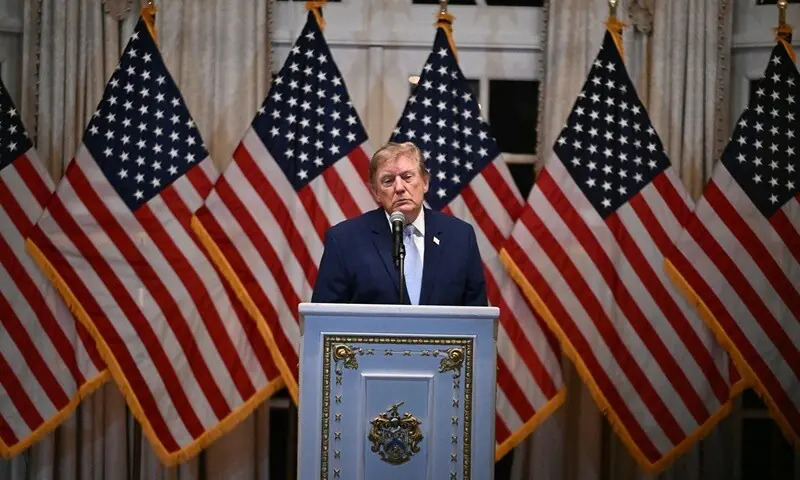
The Core Development
In a consequential pivot that reshapes transatlantic alliances and global commodities diplomacy, US President Donald Trump signed an executive order waiving sweeping sanctions and aggressive tariffs previously scheduled to penalize buyers of Russian energy. The statutory framework, anchored in the Lindsey Graham Act passed only last month, had endowed the executive branch with discretionary authority to levy punitive duties of up to 100 percent on third-party nations procuring Russian crude oil, refined fuels, and liquefied natural gas.
The legislative measure was originally drafted to choke the financial arteries of Moscow’s energy complex, targeting maritime transit networks, sovereign defense entities, and high-ranking state functionaries. However, the unexpected executive intervention effectively freezes the activation of secondary sanctions against major consuming nations. This sharp policy detour coincides with a marked deceleration in Washington’s financial and military patronage of Ukraine. Concurrent with the White House directive, Ukrainian President Volodymyr Zelensky convened with European Union counterparts, pressing European leaders to secure nearly $80 billion in sustained fiscal allocations for the upcoming calendar year to counterbalance the retrenchment of American commitments.
Commercial & Economic Implications
For energy-importing economies across South Asia, particularly Pakistan, the suspension of secondary US sanctions on Russian energy trade creates significant downstream effects across wholesale markets, retail distribution networks, and state procurement strategies. Over the past twenty-four months, regional energy markets have operated under persistent fears that acquiring heavily discounted Russian Urals or intermediate fuels would trigger US secondary sanctions, restricting access to international clearing systems.
The White House's waiver minimizes the imminent legal and financial risks associated with purchasing Russian oil, which could exert downward pressure on regional crude benchmarks and ease balance-of-payments pressures for emerging importers. For Pakistan’s domestic economy, where imported crude, refined petroleum products, and petrochemical feedstocks drive consumer inflation, more predictable crude pricing reduces the likelihood of steep transport tariff revisions. A more stable global petroleum pricing environment insulates domestic retail supply chains, curbs logistics overheads for wholesale distribution channels, and provides minor relief to the national import bill, which remains heavily constrained by foreign currency reserves.
Related Intelligence: Brazil Amazon Deforestation Drops 42 Percent Reshaping Agri-Commodity Supply Chains
Stakeholder Perspectives & Market Reactions
International energy traders and regional shipping registries responded with immediate operational adjustments, as maritime insurers and commercial refiners recalibrated compliance exposure frameworks. Major brokerage desks across Singapore and the Gulf reported an easing of risk premiums on Russian fuel logistics, which had elevated freight rates throughout late 2024.
Within Pakistan’s industrial and mercantile circles, trade bodies and refinery operators have expressed guarded optimism regarding the implications of the waiver. Officials within the domestic refining sector noted that regulatory certainty enables petroleum marketers to plan blending operations without immediate fear of Western secondary sanctions. Legal analysts specializing in cross-border trade law, however, caution that the waiver remains linked to executive discretion, meaning shifting geopolitical calculations could lead to sudden policy reversals that catch importers off-guard.
Forward Outlook & Key Watchpoints
Moving forward, market participants must monitor three primary pivot points: European legislative retaliation, the stability of bilateral US-Ukraine diplomacy, and the enforcement architecture of Russian maritime transport controls. While the executive waiver neutralizes imminent tariff escalation, the European Union is currently assessing unilateral measures to sustain Ukrainian defense liquidity, potentially creating divergent regulatory requirements between Western allies.
For Pakistan's energy authorities and industrial sector, the operational priority will be structuring compliant, transparent import mechanisms while keeping an eye on whether US legislative bodies move to restrict executive waiver powers. If international benchmark oil prices stabilize or trend downward as Russian supply remains accessible without heavy sanctions enforcement, Pakistan's wholesale sectors could experience lower energy input costs into the next fiscal quarter. Conversely, any sudden snapback of US sanctions will inject immediate volatility into local consumer prices and sovereign external account balances.
Join Our Official WhatsApp Channel
Receive live commodity alerts, policy changes, and commercial intelligence directly on WhatsApp.