
Trump Pauses Implementation of Fresh Russia Sanctions Following Bilateral Energy Discussions
The White House has suspended the enforcement of newly legislated sanctions against Russia, reshaping diplomatic calculations and roiling international energy and freight markets.
Geopolitical & Core Developments
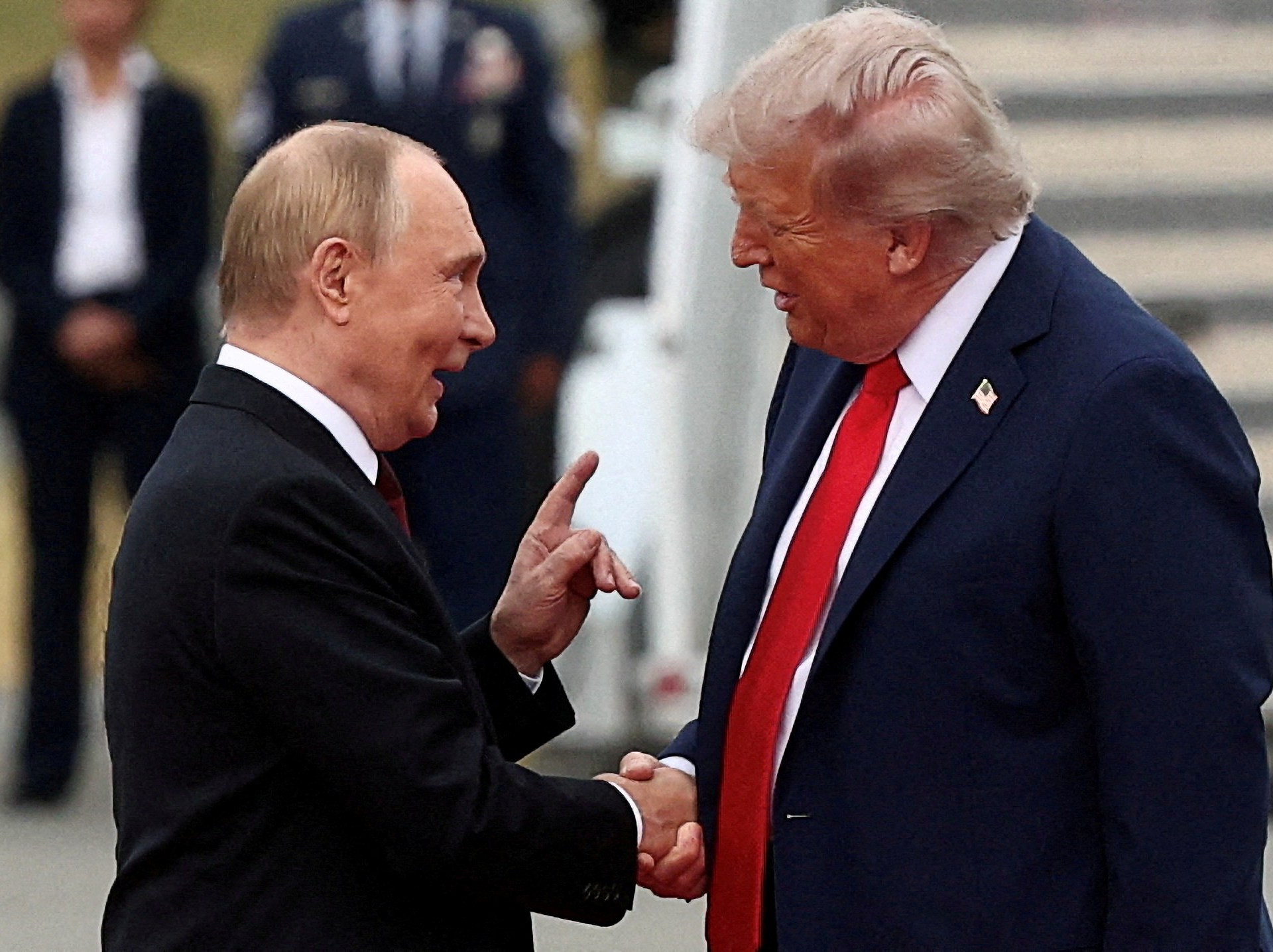
In a consequential pivot for transatlantic diplomacy, the United States executive branch has formally suspended the rollout of punitive economic measures against the Russian Federation. The move materialized via executive directive a mere forty-eight hours prior to a statutory implementation deadline mandated by Congress. This deferral follows closely on the heels of high-level negotiations between Washington and Moscow that produced a preliminary framework concerning international diesel trade. By intervening to delay sanctions that had already secured legislative approval, the administration has disrupted the anticipated timeline of multilateral financial pressure, signaling a calibrated attempt to leverage sanctions relief in broader geopolitical bargaining.
The strategic maneuver underscores an evolving bilateral calculus. While Capitol Hill has historically favored sweeping institutional penalties targeting state-owned enterprises, defense contractors, and sovereign debt mechanisms, the executive branch is seeking tactical flexibility. Diplomatic channels between Washington and Moscow appear to be prioritizing immediate supply-chain stabilization over broad-spectrum economic containment. Analysts note that this decision alters the diplomatic baseline for European partners, who have maintained stringent sanctions compliance frameworks aligned with previous American guidance.
Global Trade & Economic Ripples
The immediate consequence of the suspension is registered across maritime logistics and global energy commodities. International distillate markets, already contending with tight inventories and regional refinery bottlenecks, reacted swiftly to the prospect of unhindered diesel flows. Spot prices for low-sulfur gasoil exhibited moderate softening, while physical trading houses adjusted risk premiums associated with secondary sanctions compliance. Marine shipping lanes throughout the Baltic and Black Seas remain in a state of operational recalibration as charterers evaluate the legal continuity of transport contracts and maritime insurance coverage.
Beyond refined petroleum products, the delay injects ambiguity into secondary financial markets. Multilateral lending institutions, sovereign wealth entities, and international settlement systems rely heavily on clear regulatory signals from the US Treasury’s Office of Foreign Assets Control (OFAC). The administrative pause forces international banks to operate under provisional compliance protocols, dampening cross-border transaction velocity. Currencies across emerging markets exposed to Russian energy inputs experienced a brief respite from capital outflow pressures, even as corporate compliance officers express caution regarding the transience of the executive reprieve.
Related Intelligence: Government Slashes Domestic Petrol Price by Rs3.93 per Litre
International Reactions & Diplomatic Stances
The executive intervention has drawn divergent responses across international capitals. In Brussels, European Union officials expressed cautious reservations, emphasizing the necessity of sustained regulatory alignment across the G7 coalition to prevent jurisdictional arbitrage. Diplomats from several Eastern European member states voiced concerns that unilateral pauses undermine the collective deterrence framework established since 2022. Conversely, energy-importing economies in the Global South quietly welcomed the prospect of normalized distillate supply, which mitigates domestic inflationary pressures.
Market intelligence agencies and macroeconomic institutes interpret the maneuver as a pragmatic, if high-risk, gambit. Financial analysts observing energy corridors note that Washington is effectively balancing domestic fuel price sensitivity against long-term foreign policy doctrines. In Moscow, state representatives noted the development as an indication of commercial realism, although state-run media reiterated that sustainable normalization requires a total dismantling of extraterritorial sanctions regimes rather than temporary statutory delays.
Strategic Outlook & Future Scenarios
The trajectory of US-Russia economic relations hinges on forthcoming diplomatic milestones. Congressional leadership has already signaled intent to review the executive pause, potentially initiating legislative mechanisms to mandate enforcement or restrict presidential waiver authorities. The friction between statutory mandates and executive prerogatives poses substantial legal and commercial volatility for multinational enterprises operating in global energy corridors.
In the coming quarters, market participants must monitor multilateral summits, including scheduled ministerial engagements and G7 working groups. Should the bilateral dialog fail to yield broader structural concessions from Moscow, the deferred sanctions are likely to be reinstated with condensed compliance horizons, provoking sharp supply reallocations. Alternatively, if transactional energy agreements solidify, global markets will witness an increasingly fragmented sanctions landscape, demanding heightened vigilance from international trade desks, maritime logistics operators, and global commodity clearinghouses.
Join Our Official WhatsApp Channel
Receive live commodity alerts, policy changes, and commercial intelligence directly on WhatsApp.