
Russian Missile Barrage Cuts Power to One Million Across Ukraine
Russian missile and drone strikes targeted key nodes of Ukraine's electrical infrastructure, killing eight civilians and leaving over one million people without power across several provinces.
Geopolitical & Core Developments
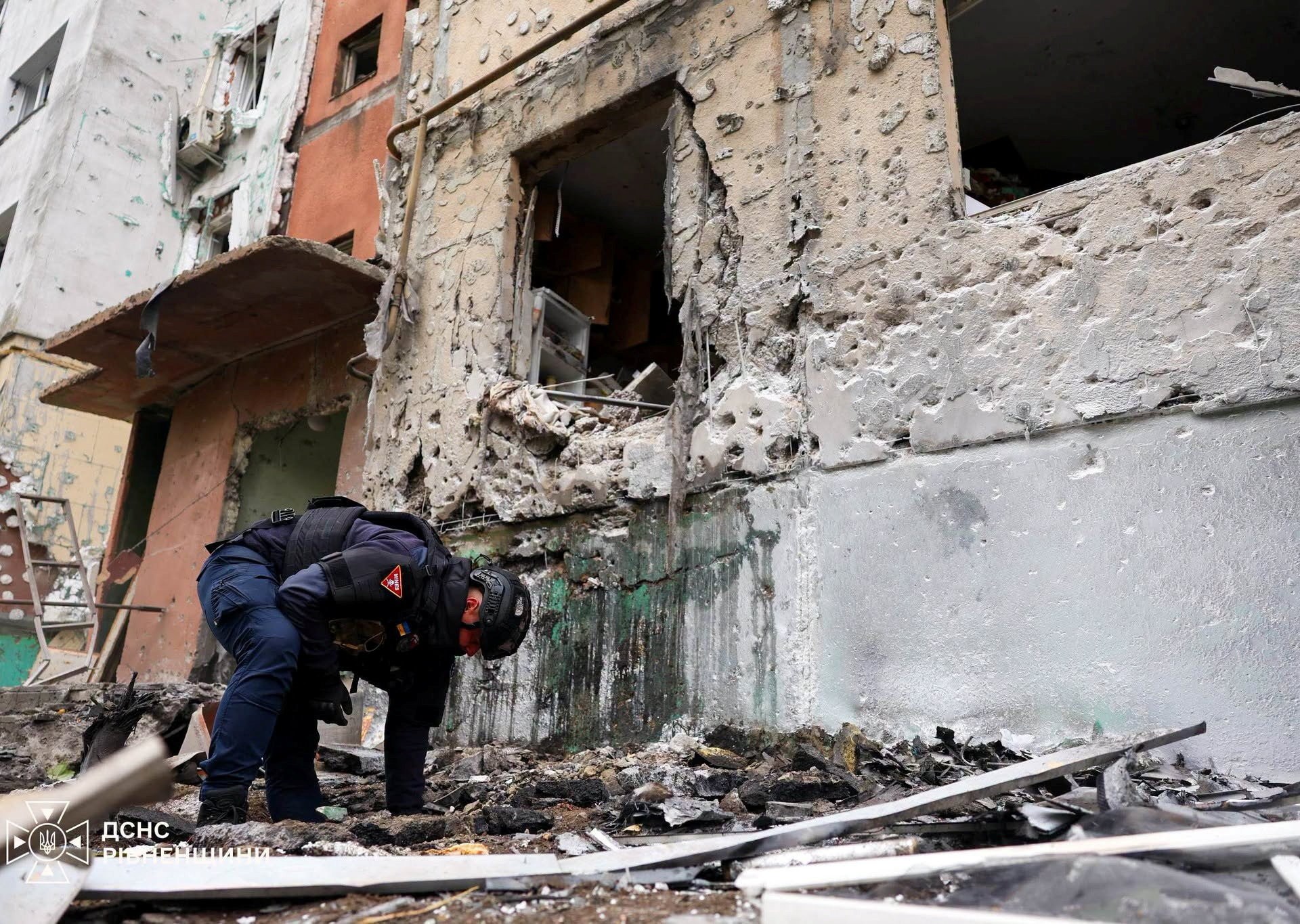
Moscow launched a renewed, high-intensity aerial offensive targeting Ukraine's critical national infrastructure early Thursday morning, deploying a barrage of cruise missiles, ballistic strikes, and loitering munitions across multiple operational axes. Ukrainian officials confirmed that strikes impacted residential hubs and strategic utility centers in the northeastern city of Kharkiv, industrial centers in Kramatorsk, and western regions including Volyn and Rivne. The attacks resulted in at least eight civilian fatalities and left scores injured, while inflicting severe structural damage on generation stations and high-voltage transmission substations.
State grid operator Ukrenergo was forced to initiate rolling emergency power disconnections, immediately dropping more than one million consumers from the central grid to prevent wide-scale cascading collapse. The offensive highlights an aggressive winter-focused operational doctrine by the Russian Federation, aiming to systematically dismantle Ukraine’s centralized power distribution and thermal heat networks. By simultaneously striking western logistics hubs near European transit corridors alongside eastern front-line industrial cities, Moscow has demonstrated an expanded targeting envelope intended to overstretch Ukrainian air defense architectures.
Global Trade & Economic Ripples
The targeted degradation of Ukraine’s power generation has immediate commercial implications that reverberate beyond sovereign borders into broader European commodity and energy markets. Title Transfer Facility (TTF) natural gas futures experienced an uptick following the strikes, driven by market apprehension over escalated risks to transiting infrastructure and increased winter power consumption dynamics across Eastern Europe. Neighboring grid operators in Poland, Slovakia, and Romania have previously managed intermittent emergency power balancing for Ukraine, but deepening domestic generation deficits in Ukraine threaten to strain regional interconnection capacities.
Moreover, disrupted industrial operations in Kharkiv and Kramatorsk present structural bottlenecks for domestic heavy industries, specialized metals fabrication, and logistics networks integral to agricultural transit corridors. Extended outages impair rail logistics, potentially decelerating grain movements via western rail corridors and Danube River riverine ports. This localized supply chain friction keeps risk premiums elevated for Black Sea grain transportation and associated maritime cargo insurance.
Related Intelligence: Southern California Wildfires Threaten Economic Infrastructure and Deepen Climate Risks
International Reactions & Diplomatic Stances
The strikes drew rapid condemnation from Western capitals and multilateral bodies. The United Nations High Commissioner for Human Rights underscored the illegality of deliberate attacks on civilian dual-use infrastructure essential to winter survival, warning that such measures breach international humanitarian law. In Brussels, European Union leadership reaffirmed commitments to expedite deliveries of decentralized energy hardware, including modular gas turbines and industrial-scale electrical transformers, while urging member states to accelerate deliveries of advanced air defense interceptor systems.
Washington echoed these calls, with defense officials indicating that strategic utility protection remains an acute priority in upcoming security cooperation talks. Conversely, the Russian Ministry of Defense maintained its standard narrative, asserting that its forces utilize precision weapons against military logistics and the underlying energy infrastructure that powers the Ukrainian military-industrial complex. Regional analysts suggest that the renewed escalation reflects Moscow's intent to exploit gaps in Western supply chains for surface-to-air missile stockpiles ahead of expected diplomatic engagements.
Strategic Outlook & Future Scenarios
Looking ahead, Ukraine faces a precarious operational environment throughout the remaining winter cycle. The recurrent attrition of electrical infrastructure will compel Kyiv to divert increasingly scarce financial and technical resources into ad-hoc grid reconstruction rather than broader industrial and defense stabilization. Should targeted missile barrages persist at this operational tempo, Ukraine will become almost entirely reliant on reciprocal electricity imports from the European Network of Transmission System Operators (ENTSO-E), testing the physical export thresholds of Central European utilities.
On the diplomatic front, the strikes are expected to accelerate discussions surrounding the 15th European Union sanctions package, targeting Russian procurement networks for components used in ballistic missile guidance. However, absent a decisive influx of modern long-range interceptor batteries, the systemic vulnerability of regional substations leaves both Ukrainian population centers and neighboring supply corridors exposed to protracted economic strain.
Join Our Official WhatsApp Channel
Receive live commodity alerts, policy changes, and commercial intelligence directly on WhatsApp.