
Bukele Threatens Haitian Gangs Following Disappearance of Salvadoran Personnel
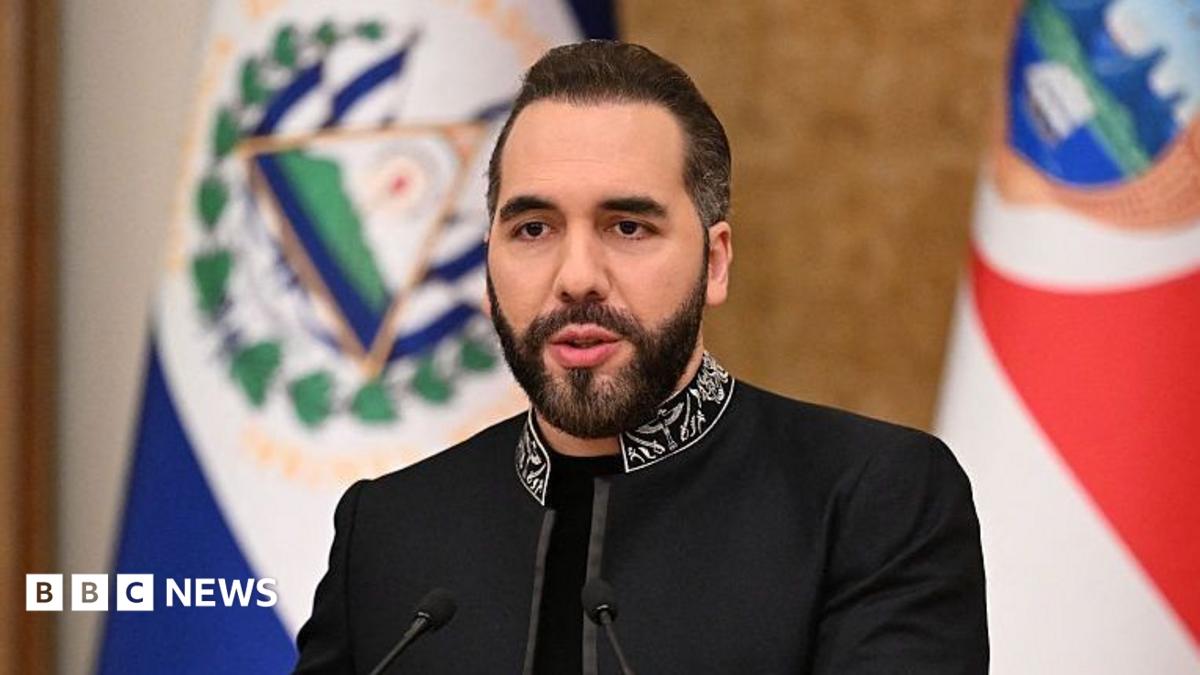
President Nayib Bukele has warned Haitian armed groups of decisive repercussions following the disappearance of four security personnel in Port-au-Prince, imperiling multinational stabilization operations in the Caribbean.
Geopolitical & Core Developments
President Nayib Bukele of El Salvador has issued an uncompromising ultimatum to armed criminal networks operating in Haiti, following the disappearance of four members attached to multinational gang-suppression efforts in Port-au-Prince. The personnel, who went missing during routine operational transit over the weekend, were part of technical and operational contingents cooperating with the broader international security architecture deployed to restore order in the Caribbean nation.
Haiti has descended into systemic paralysis over the past eighteen months, with a coalition of heavily armed syndicates known as Viv Ansanm controlling more than eighty percent of the capital. El Salvador, which has drawn global attention for its sweeping domestic counter-gang crackdowns, had offered logistical, security, and advisory assistance to international peacekeeping missions under regional cooperation frameworks. The capture or disappearance of foreign security assets marks a severe escalation, transitioning Haiti's internal breakdown into a multilateral confrontation involving Latin American sovereign forces.
Global Trade & Economic Ripples
While Haiti is not a primary global exporter, the deterioration of territorial security in the Caribbean basin carries significant operational ramifications for maritime commerce and regional supply lines. The security crisis has crippled operations around the Port-au-Prince maritime terminals, diverting regional container vessels toward secondary ports in Jamaica and the Dominican Republic. This displacement has increased berthing congestion and driven Caribbean feeder shipping costs upward.
Maritime insurers have responded by widening war-risk and civil-strife insurance premiums for merchant vessels navigating waters near the Windward Passage, a strategic conduit connecting Atlantic maritime lanes with the Panama Canal. Compounding these trade disruptions, cross-island terrestrial freight between Haiti and the Dominican Republic remains effectively severed, straining regional manufacturing supply chains that rely on binational textile and agricultural labor arbitrage. Elevated risks in the area continue to add frictional costs to regional fuel distributions and general cargo transshipments.
Related Intelligence: West Bank Settler Violence Escalates Regional Geopolitical and Supply Chain Risks
International Reactions & Diplomatic Stances
Diplomatic entities and multilateral bodies have registered immediate concern over the incident. The United Nations Integrated Office in Haiti (BINUH) issued an urgent plea for restraint, emphasizing the sanctity of international personnel and demanding the unconditional accounting of the missing individuals. Officials in Washington, who remain the principal financiers of the multinational security support mission, reiterated that attacks on foreign technical personnel violate fundamental international legal norms.
From San Salvador, President Bukele maintained a resolute posture, declaring that criminal syndicates operating in Port-au-Prince would face severe asymmetric consequences should the personnel come to harm. Regional analysts note that Bukele's rhetoric aligns with his domestic political brand, projecting an assertive foreign policy grounded in uncompromising kinetic deterrence. Meanwhile, Caribbean Community (CARICOM) diplomats have cautioned against uncoordinated unilateral measures that could further destabilize ongoing efforts to form a coherent transitional governance structure.
Strategic Outlook & Future Scenarios
The immediate trajectory of the crisis hinges on intelligence operations currently underway to ascertain the status and whereabouts of the missing personnel. Should the standoff result in confirmed fatalities or a protracted public hostage negotiation, pressure will mount on partner nations to recalibrate the mandate and rules of engagement governing foreign missions in Haiti.
Diplomats anticipate emergency sessions within the Organization of American States (OAS) to deliberate on expanded kinetic authorizations and border containment strategies. Without a unified security response backed by robust multilateral logistics, Haiti risks descending into complete institutional collapse, generating renewed migration flows across the Caribbean and exacerbating supply chain dislocations across Central American and Caribbean trade routes.
Join Our Official WhatsApp Channel
Receive live commodity alerts, policy changes, and commercial intelligence directly on WhatsApp.