
US Domestic Political Polarization Intensifies Amid Contentious Ohio Campaign Clashes
Escalating campaign controversy in Ohio underlines intensifying US political factionalism, creating broader institutional uncertainty for global investors and sovereign partners monitoring long-term American economic and regulatory trajectories.
Geopolitical & Core Developments
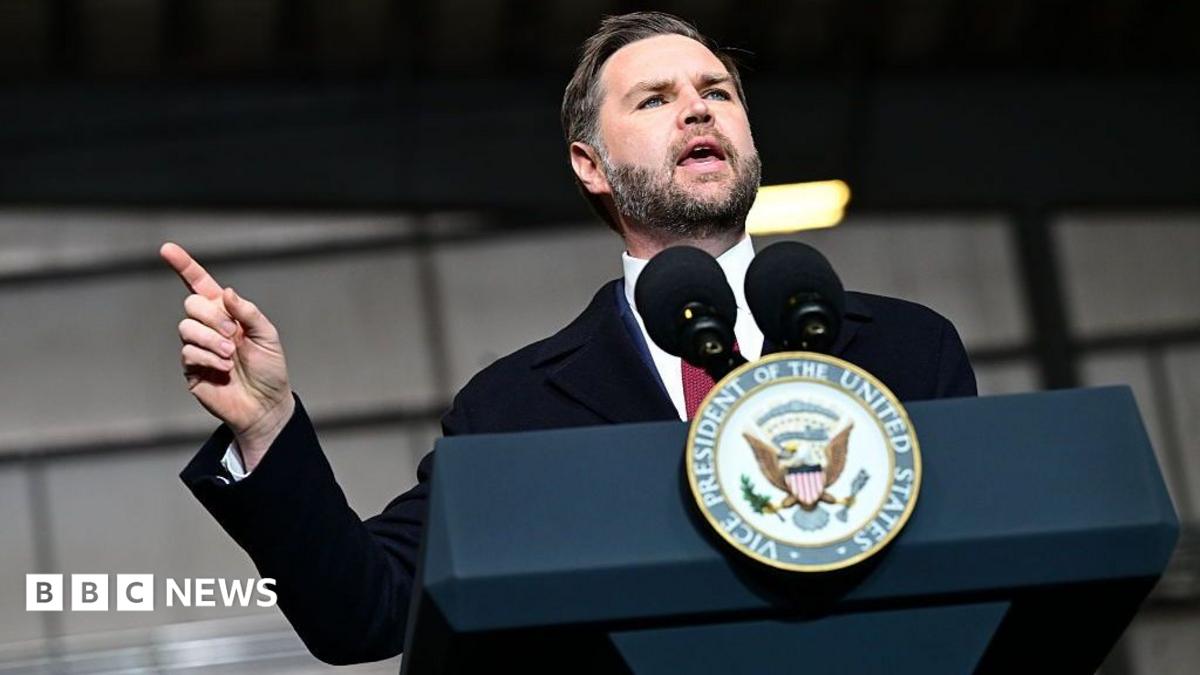
The strategic posture of the United States on the international stage remains intrinsically linked to its domestic political cohesion. Recent campaign disputes within the key industrial state of Ohio, punctuated by Vice President JD Vance defending controversial media advertisements deployed by political allies such as Vivek Ramaswamy, exemplify an accelerating cycle of polarization within the American body politic. While ostensibly localized to candidate vetting and electoral contestation, these political confrontations reflect deeper institutional fissures that sovereign allies and geopolitical rivals monitor with high scrutiny.
Over the past decade, sub-national elections in industrial bellwether states have functioned as reliable leading indicators for broader systemic shifts in US governance. The erosion of traditional political decorum and the aggressive nationalization of local contests signal persistent internal divergence over institutional authority. For foreign ministries assessing the resilience of American diplomatic commitments, deep domestic friction diminishes the perceived durability of long-term international agreements, bilateral security pacts, and multilateral coordination mechanisms.
Global Trade & Economic Ripples
Although local campaign friction does not immediately interrupt transoceanic freight or physical commodity dispatch, the policy architecture shaped by these electoral struggles carries profound consequences for global commerce. Ohio represents a vital hub in North American industrial manufacturing, advanced logistics, and energy consumption. Shifts in political control in such corridors directly dictate national positions on industrial subsidies, tariffs, critical mineral supply-chain reshoring, and carbon regulatory regimes.
Multinational enterprises and commodity trading desks face mounting unpredictability regarding future US regulatory enforcement. If aggressive internal political friction leads to policy paralysis or abrupt trade policy reversals following upcoming election cycles, cross-border investment frameworks will bear the immediate costs. Investors holding US debt securities and foreign exchange traders maintain heightened sensitivity to domestic political discord, noting that deep partisan gridlock historically threatens sovereign debt ceilings, statutory budget approvals, and the operational stability of key federal regulatory agencies.
Related Intelligence: Aging Leadership in Washington Threatens Policy Agility and Global Market Stability
International Reactions & Diplomatic Stances
Global market analysts, diplomatic missions, and multilateral observers assess the increasing acrimony within American politics through the lens of strategic continuity. European Union economic delegates and Asia-Pacific trading partners have discreetly expressed concern over the volatility inherent in US legislative transitions, where fundamental foreign policy doctrines risk radical overhaul across successive administrations.
Credit rating agencies and sovereign risk evaluators continue to emphasize that institutional coherence is a fundamental metric of long-term economic stability. While official foreign governments traditionally refrain from public commentary on partisan state-level campaign advertisements, diplomatic intelligence summaries frequently identify domestic rhetorical escalation as a core driver of broader foreign policy unpredictability, affecting everything from international climate accords to defense burden-sharing frameworks.
Strategic Outlook & Future Scenarios
Looking ahead, the trajectory of US electoral cycles points toward further hardening of partisan boundaries, leaving little middle ground for pragmatic legislative compromises on international economic policy. The immediate consequence will be felt in the crafting and passage of critical infrastructure spending, energy transition mandates, and unilateral trade enforcement measures.
In the medium term, sovereign partners and international corporations are expected to accelerate defensive hedging strategies. Multinationals are actively diversifying supply chains outside purely dollar-dominated or US-policy-dependent corridors to mitigate exposure to regulatory whiplash. As the campaign calendar accelerates toward broader national contests, the global marketplace will remain on alert for signals that domestic political warfare might spill over into unpredictable protectionist trade actions or sudden geopolitical recalibrations.
Join Our Official WhatsApp Channel
Receive live commodity alerts, policy changes, and commercial intelligence directly on WhatsApp.