
Deadly Floods Hit Southern France Disrupting Mediterranean Logistics and Agriculture
Severe storm systems caused catastrophic flash flooding across southern France, leaving at least four dead, damaging vital infrastructure, and disrupting regional logistics corridors along the Mediterranean basin.
Geopolitical & Core Developments
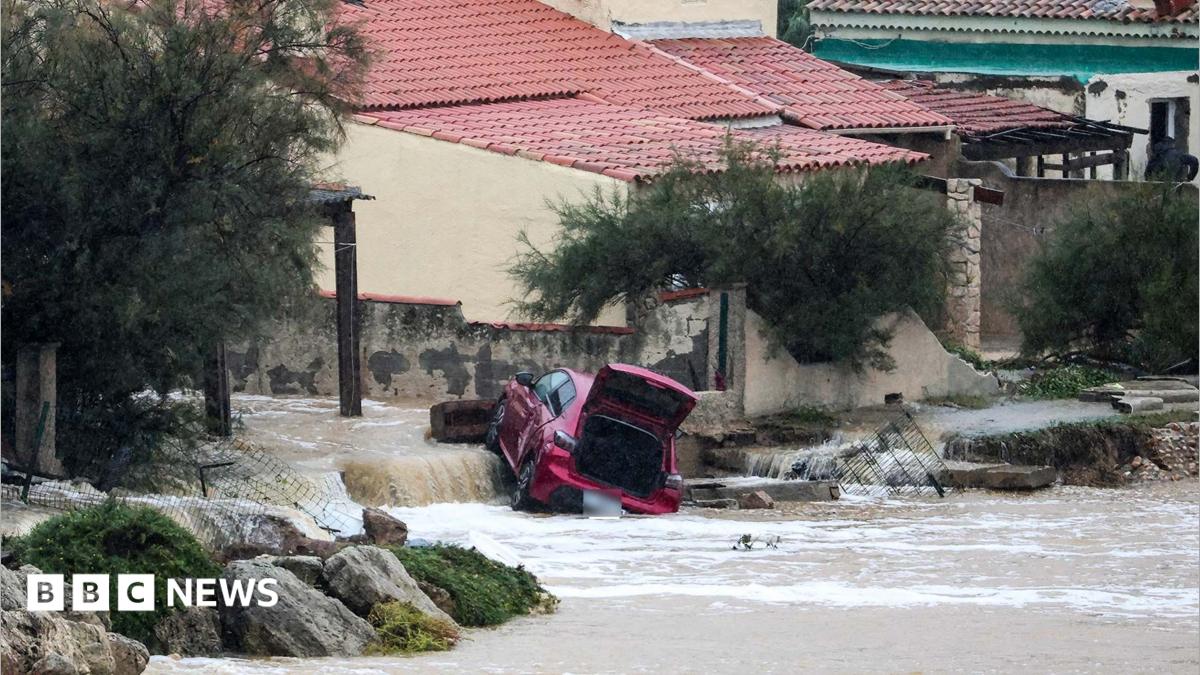
A violent Mediterranean meteorological depression unleashed unprecedented flash flooding across southern France over the weekend, resulting in at least four confirmed fatalities and widespread damage to civil and commercial infrastructure. Among the casualties were two women discovered drowned in a submerged residential cellar in the Bouches-du-Rhône administrative department, one of the primary industrial and logistical centers of the French southern coast.
Emergency services deployed thousands of rescue personnel, watercraft, and heavy intervention units across affected communes as precipitation levels surged to historic highs within hours. Municipal authorities in Marseille, Aix-en-Provence, and adjacent industrial corridors declared localized emergency status, ordering power grid isolations to prevent cascading infrastructural failures. The catastrophe underscores the escalating vulnerability of European peri-urban centers to volatile Mediterranean climate anomalies, placing domestic resilience policies under rigorous scrutiny by regional administrators and the French central government in Paris.
Global Trade & Economic Ripples
The economic implications of the severe storm extend across regional supply chains, maritime logistics, and specialty agricultural sectors. Bouches-du-Rhône serves as a vital arterial link connecting the industrial heartland of continental Europe with the Mediterranean via the Grand Port Maritime de Marseille-Fos. While primary deep-sea container terminals avoided catastrophic structural devastation, terminal intermodal linkages suffered significant bottlenecks. Road freight routes along the A7 and A51 motorways encountered temporary closures due to localized washouts and debris accumulations, stalling cargo transit between southern manufacturing hubs and European domestic markets.
Furthermore, the Rhone valley's agricultural belt, encompassing viticulture, horticulture, and soft fruit production, absorbed severe soil saturation and physical crop damage. While not directly shifting global grain balances, regional produce supplies to Northern European supermarkets will face short-term contraction, exerting upward pricing pressure on localized spot food markets. Concurrently, European reinsurance firms are bracing for heightened industrial liability claims, reinforcing structural upward trends in commercial property insurance premiums across flood-prone European trade nodes.
Related Intelligence: West Bank Settler Violence Escalates Regional Geopolitical and Supply Chain Risks
International Reactions & Diplomatic Stances
European Union officials and regional leadership expressed solidarity while framing the disaster within broader trans-European climate mitigation frameworks. The European Commission noted its readiness to activate the EU Civil Protection Mechanism should French authorities request cross-border technical or pumping capabilities, highlighting ongoing joint readiness initiatives under the Union Civil Protection framework.
Multilateral bodies and environmental economists have utilized the tragedy to reiterate calls for accelerated investment in critical infrastructure modernization. Analysts from major European financial institutions emphasized that repetitive extreme weather across Mediterranean basins reinforces the economic necessity of the EU Green Deal's resilience directives. French domestic policymakers, facing political crosswinds regarding municipal budgets and public spending ceilings, are expected to table emergency state aid packages to stabilize displaced residents and distressed regional commercial enterprises.
Strategic Outlook & Future Scenarios
Moving forward, the primary operational focus centers on clearing submerged transport networks, re-establishing interrupted telecommunications, and conducting full engineering assessments of regional rail embankments and stormwater diversions. With secondary weather systems still circulating over the Western Mediterranean, risks of renewed riverine swelling remain elevated through the coming week.
Strategically, the event will amplify debates ahead of European Union climate adaptation summits concerning the adequacy of standard civil protection funds. Commercial operators and supply chain executives are expected to increasingly diversify freight transit modalities away from exclusive reliance on vulnerable coastal road systems, accelerating investments in resilient secondary logistics hubs further inland.
Join Our Official WhatsApp Channel
Receive live commodity alerts, policy changes, and commercial intelligence directly on WhatsApp.