
West Bank Settler Violence Escalates Regional Geopolitical and Supply Chain Risks
Suspects involved in high-profile attacks against foreign nationals in the West Bank have been transferred to house arrest, underscoring systemic impunity and intensifying geopolitical risks across regional commerce.
The Core Development
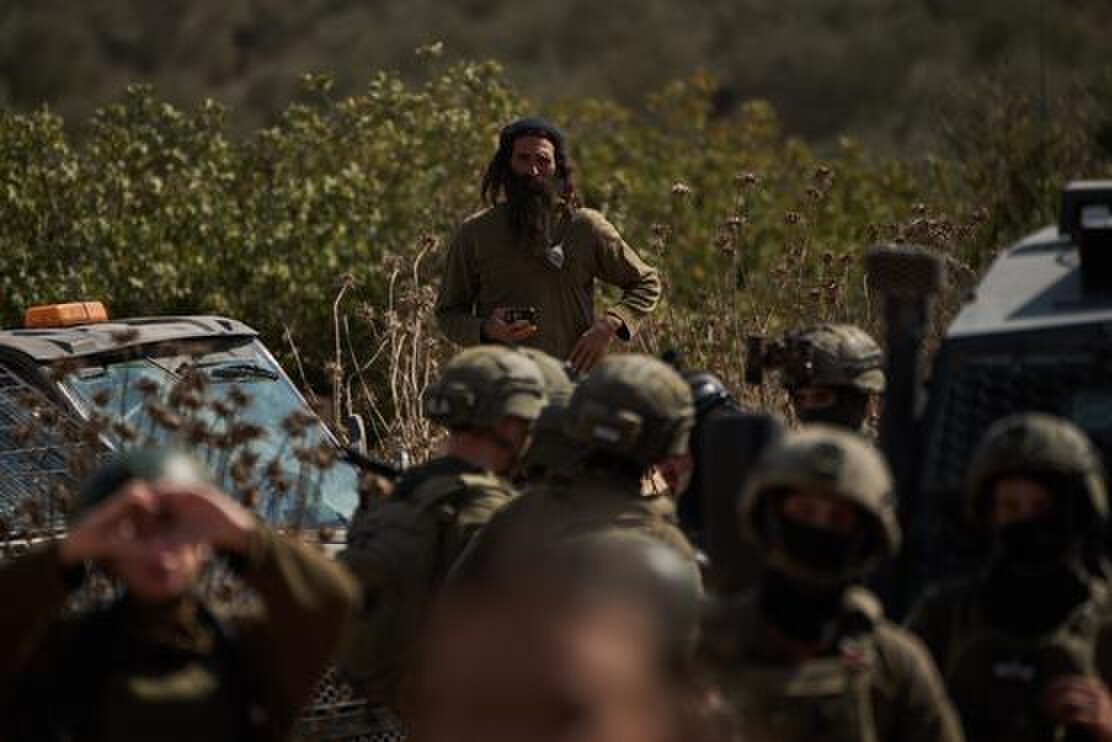
Legal authorities and defense counsel confirmed that nine out of ten Israeli suspects detained over violent skirmishes against foreign personnel in the occupied West Bank have been released from formal custody and remanded to house arrest. The incident, which drew international condemnation, involved physical assaults targeting an American photojournalist and an official delegation that included a visiting French mayor.
Israeli police initially announced the detention of ten individuals following intense diplomatic scrutiny. However, legal aid organization Honenu, which frequently represents settlers and security personnel, swiftly secured conditional release for nearly all defendants. Defense attorney Assaf Gonen stated publicly that the initial detentions were driven by external pressure rather than substantive judicial merit, emphasizing that minimal custodial restraints were ultimately maintained.
The swift transition from police incarceration to house arrest reflects an entrenched pattern of weak prosecution regarding settler violence across occupied territories. International monitors and human rights observers note that while settler-led incidents against Palestinians, humanitarian workers, and foreign delegations have escalated sharply over the past year, formal indictments and sustained criminal convictions remain historically rare.
Commercial & Economic Implications
While the events occurred in the West Bank, their reverberations carry material ramifications for broader Middle Eastern stability, directly influencing trade channels critical to South Asian markets, including Pakistan. Continued instability across the Levant sustains elevated political risk premiums across vital regional corridors, particularly the Red Sea and surrounding maritime passages.
For Pakistani importers, wholesale distributors, and commercial trade houses such as Kalyar Traders, heightened regional discord exacerbates shipping disruptions. Ocean freight rates from European and Mediterranean ports have remained structurally higher due to war-risk insurance premiums and vessel rerouting around the Cape of Good Hope. Sustained diplomatic frictions prolong these logistical diversions, keeping transit times extended by 10 to 14 days and elevating container shipping expenses.
Domestically, these maritime headwinds translate directly into elevated landed costs for industrial raw materials, imported consumer goods, and chemical products. As domestic wholesale supply chains absorb these extended lead times and inflated transport tariffs, wholesale distributors face compressed working capital margins, which inevitably filter down to consumer retail pricing and broader headline inflation metrics.
Stakeholder Perspectives & Market Reactions
International diplomatic bodies, including European Union representatives and United States consular officials, expressed profound concern regarding the lack of judicial deterrence against settler infractions, cautioning that unchecked hostility undermines sovereign security protocols and diplomatic missions.
Financial analysts and logistics experts observe that unresolved localized conflicts steadily amplify broader geopolitical polarization. Commodity traders in Asia have continued pricing in volatility, particularly within energy and fertilizer markets, where supply routes remain sensitive to regional flashpoints. Pakistani commercial trade associations have expressed mounting unease over sustained logistical friction, urging government authorities to facilitate alternative maritime arrangements and expand bilateral trade routing to cushion the local economy from peripheral Middle Eastern shocks.
Forward Outlook & Key Watchpoints
Over the coming quarter, market participants must monitor whether international diplomatic pressure translates into actual legal accountability within the Israeli court system, or if the suspects will see charges quietly dropped upon expiration of their house arrest terms.
Concurrently, corporate supply chain managers in Pakistan should closely track regional security dynamics, monitoring maritime shipping rates, insurance surcharges, and energy import prices for early indicators of secondary economic contagion. Persistent Levant instability will likely reinforce inflationary bottlenecks across imported commodities through the remainder of the fiscal year.
Join Our Official WhatsApp Channel
Receive live commodity alerts, policy changes, and commercial intelligence directly on WhatsApp.