
Israeli Election Deadlock Highlights Palestinian Voting Dilemma and Regional Economic Shifts
As Israeli elections remain on a razor's edge, Palestinian citizens evaluate strategic participation against political disillusionment, carrying broader economic and geopolitical implications for Middle Eastern stability and energy security.
Geopolitical & Core Developments
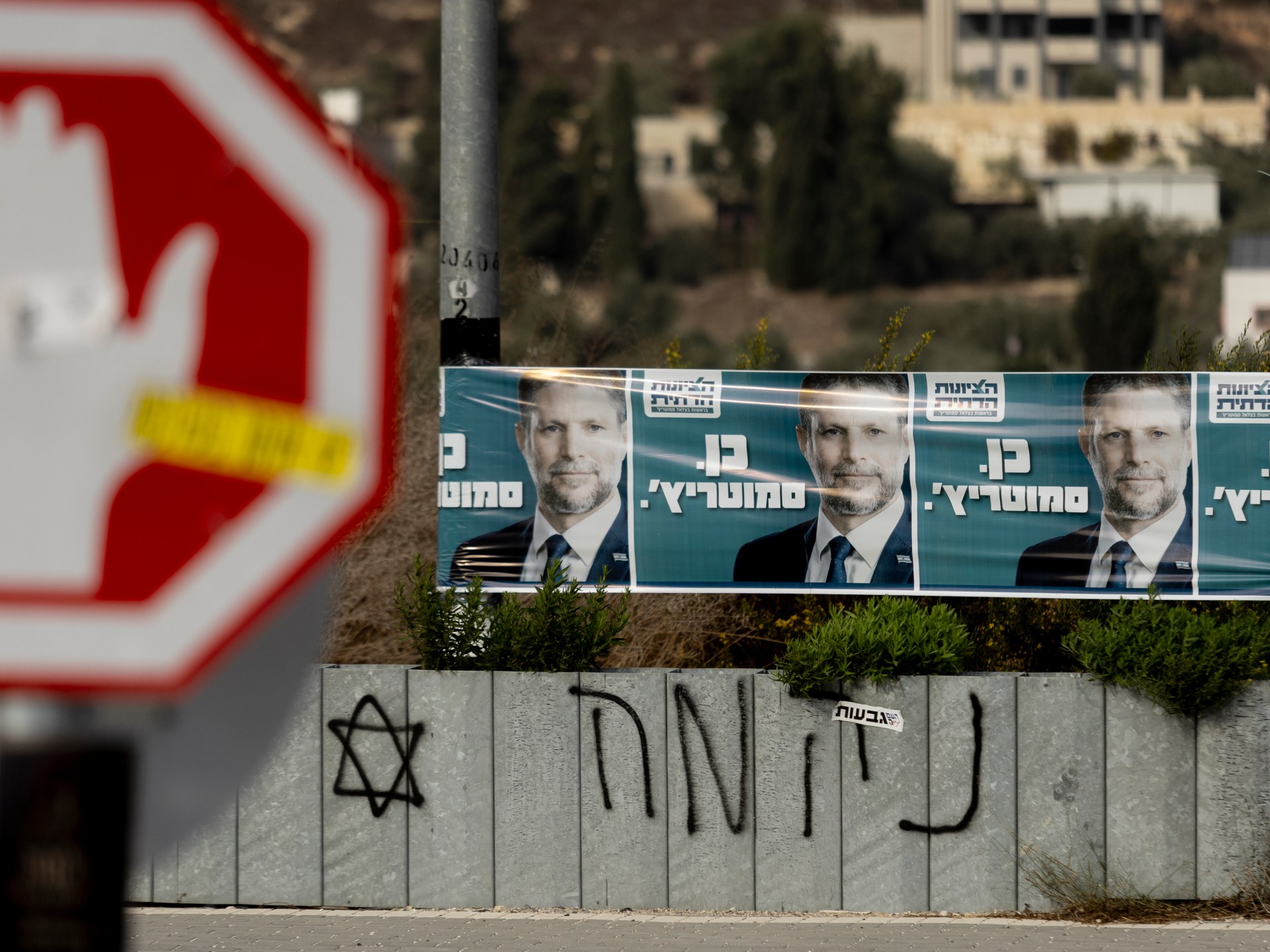
The domestic political landscape in Israel faces renewed turbulence as general elections approach with polling pointing toward an acute deadlock. At the center of this contest are Palestinian citizens of Israel, who comprise roughly 20 percent of the electorate. Voters are navigating an acute tension between principled abstention—driven by systemic disenfranchisement, policy neglect, and discriminatory legislation—and pragmatic participation to prevent the rise of hardline, ultra-nationalist coalitions.
Political fractures among Arab-majority parties have historically diluted voter leverage, weakening representation in the Knesset. Following previous experiments where Arab factions participated directly in legislative coalitions, the return to electoral competition presents high stakes. A depressed turnout among this demographic significantly lowers the electoral threshold required for right-wing blocs to consolidate power. The outcome will decide not only domestic governance and judicial reforms, but also determine the state's security posture across the occupied territories and diplomatic engagement with broader regional neighbors.
Global Trade & Economic Ripples
While predominantly a sovereign political affair, the electoral configuration holds tangible consequences for international capital markets, energy infrastructure, and regional trade. Israel's offshore natural gas assets in the Levant Basin—specifically the Leviathan and Karish fields—rely on stable regional frameworks to guarantee pipeline flows to Egypt, Jordan, and potential European markets seeking alternatives to Russian hydrocarbons. Heightened domestic instability or the ascension of hardline factions could complicate regional maritime accords and energy supply contracts.
Furthermore, investor sentiment regarding Israeli sovereign bonds and the domestic high-tech sector remains sensitive to governance shifts. Heightened domestic civil friction and stalled infrastructure development directly impact foreign direct investment. Global shipping through the Mediterranean-Red Sea transit routes also tracks Israeli political stability, as defense policy dictates security commitments along strategic littoral waters and key transit nodes.
Related Intelligence: China Edges United States for Historic World Gymnastics Team Title
International Reactions & Diplomatic Stances
International stakeholders maintain a cautious posture as voting commences. Officials within the United States Department of State have reiterated support for democratic processes while emphasizing the critical need for regional de-escalation and the protection of minority civic rights. Washington continues to prioritize the integration of the Abraham Accords with broader regional trade architecture, an initiative heavily contingent on domestic political stability within Israel.
Concurrently, European Union representatives and United Nations officials have raised concerns regarding systemic inequalities faced by minority populations within Israel, calling for equitable political representation. Regional capitals, particularly Cairo and Amman, are observing the process closely, as the composition of the incoming government directly affects bilateral security cooperation, joint water-energy deals, and diplomatic handling of the Palestinian national question.
Strategic Outlook & Future Scenarios
The trajectory of the vote will dictate several divergent outcomes for regional commerce and diplomacy. A fragmented Knesset leading to another fragile coalition or successive snap elections would prolong policy paralysis, deterring long-term multinational investments in cross-border logistics and green infrastructure. Conversely, a stable far-right administration could trigger diplomatic friction with Western partners, complicate normalized relations with Gulf states, and escalate security expenditures, widening fiscal deficits.
In the medium term, Palestinian voter engagement will serve as an essential bellwether for domestic stability. Should voter disillusionment result in record-low participation, institutional marginalization is likely to intensify, potentially fueling domestic civil unrest. Global energy traders and institutional investors will track post-election coalition negotiations closely, pricing in security premiums across Mediterranean assets as government formation begins.
Join Our Official WhatsApp Channel
Receive live commodity alerts, policy changes, and commercial intelligence directly on WhatsApp.