
Ukraine Launches Massive Drone Swarm Against Russian Energy Infrastructure
Ukraine has launched one of its largest drone operations of the war, deploying over 1,000 unmanned aerial vehicles against Russian oil infrastructure amid shifting Western diplomatic dynamics.
Geopolitical & Core Developments
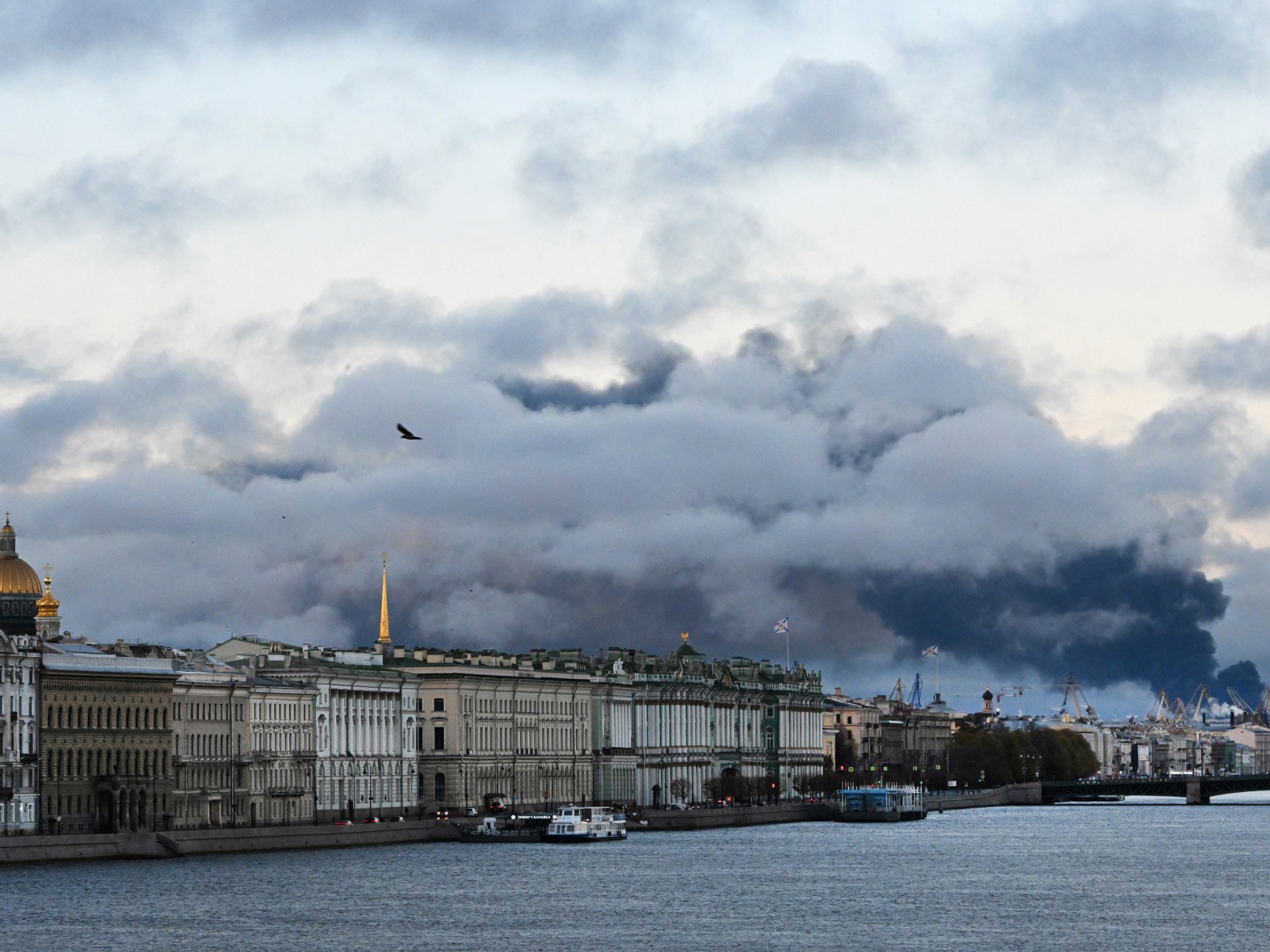
In one of the most expansive and technically synchronized long-range aerial campaigns since the outbreak of hostilities, Ukrainian forces deployed an estimated swarm exceeding 1,000 unmanned aerial vehicles deep into Russian territory. The multi-wave operation specifically targeted primary hydrocarbon processing facilities, regional depots, and pipeline interconnection hubs across western and southwestern Russian oblasts. Substantial fires broke out across several high-capacity petrochemical complexes, with regional authorities confirming localized emergency declarations and extensive firefighting mobilizations.
The strike marks a pronounced quantitative and operational leap in Kyiv's domestic strike doctrine. Facing severe artillery constraints on the static frontlines of the Donbas, Ukrainian military planners have progressively turned to asymmetric air campaigns designed to degrade Moscow's sovereign war revenues at source. The strategic timing of the operation is notable, emerging against a backdrop of complex diplomatic friction between Kyiv and Washington. Western partners have repeatedly voiced operational anxieties that sustained strikes against Russian energy infrastructure could destabilize fragile global crude markets and provoke asymmetric retaliatory strikes on Ukrainian civilian power grids.
Global Trade & Economic Ripples
The targeted campaign directly impacts international hydrocarbon logistics and maritime commodity pricing. Initial market data reflected immediate risk premiums across benchmark Brent and West Texas Intermediate contracts, as market participants priced in the prospective reduction of Russian refined product exports. Russia remains a key supplier of seaborne diesel, naphtha, and fuel oil to non-Western markets, particularly India, China, and parts of the Global South.
Operational disruptions at major refineries force immediate structural re-routing. Crude volumes that cannot be processed domestically must either be redirected into maritime export terminals—congesting Baltic and Black Sea logistics—or curtailed through upstream shut-ins. Tanker charter rates across the Black Sea basin and Turkish Straits have mirrored these disruptions, as marine underwriters reassess war risk premiums for commercial vessels servicing southern Russian ports. Furthermore, secondary effects are permeating fertilizer and petrochemical supply chains, which depend heavily on stable regional natural gas and petroleum fraction inputs.
Related Intelligence: Alberta Secession Debate Tests Canadian Unity and Energy Security
International Reactions & Diplomatic Stances
The coordinated strikes provoked sharp divergences across international diplomatic corridors. Moscow denounced the assault as targeted economic sabotage, warning that continuing strikes against non-combat logistics nodes would elicit severe, disproportionate retaliatory measures against Ukrainian infrastructure. Russian defense officials claimed that the bulk of incoming systems were intercepted by integrated electronic warfare and point-defense batteries, though open-source satellite monitoring confirmed extensive thermal signatures at multiple storage complexes.
In Washington and across European capitals, official responses remained measured yet divided. United States administration officials, while affirming support for Ukrainian territorial integrity, reiterated reservations regarding strategic strikes against export-sensitive energy architecture. European defense analysts observed that Kyiv's indigenous manufacturing capabilities have evolved to a degree where tactical operations can bypass Western conditionalities, asserting unilateral agency over targeted deep-strike missions.
Strategic Outlook & Future Scenarios
The trajectory of the conflict now enters a volatile phase defined by reciprocal infrastructure attrition. Moscow is widely expected to retaliate with concentrated ballistic and cruise missile salvos targeting Ukraine's residual thermal and hydroelectric distribution corridors ahead of peak seasonal demand.
Looking forward, the persistence of these asymmetric long-range engagements will test Western diplomatic unity and multilateral sanctions enforcement. Upcoming security conferences and G7 ministerial meetings will face pressure to recalibrate energy security commitments and evaluate the efficacy of the maritime price cap mechanism under conditions of forced refinery curtailment. Should Ukrainian drone strikes continue to sever critical refining nodes, the resulting structural deficits in Russian domestic fuel supplies will force the Kremlin into uncomfortable trade-offs between military fuel allocations and commercial market stability.
Join Our Official WhatsApp Channel
Receive live commodity alerts, policy changes, and commercial intelligence directly on WhatsApp.