
Minority Parties Hold Strategic Leverage in Crucial Israeli General Election
Arab-led and ultra-Orthodox political blocs hold the balance of power in Israel's impending election, shaping regional stability, foreign policy, and key cross-border energy corridors.
Geopolitical & Core Developments
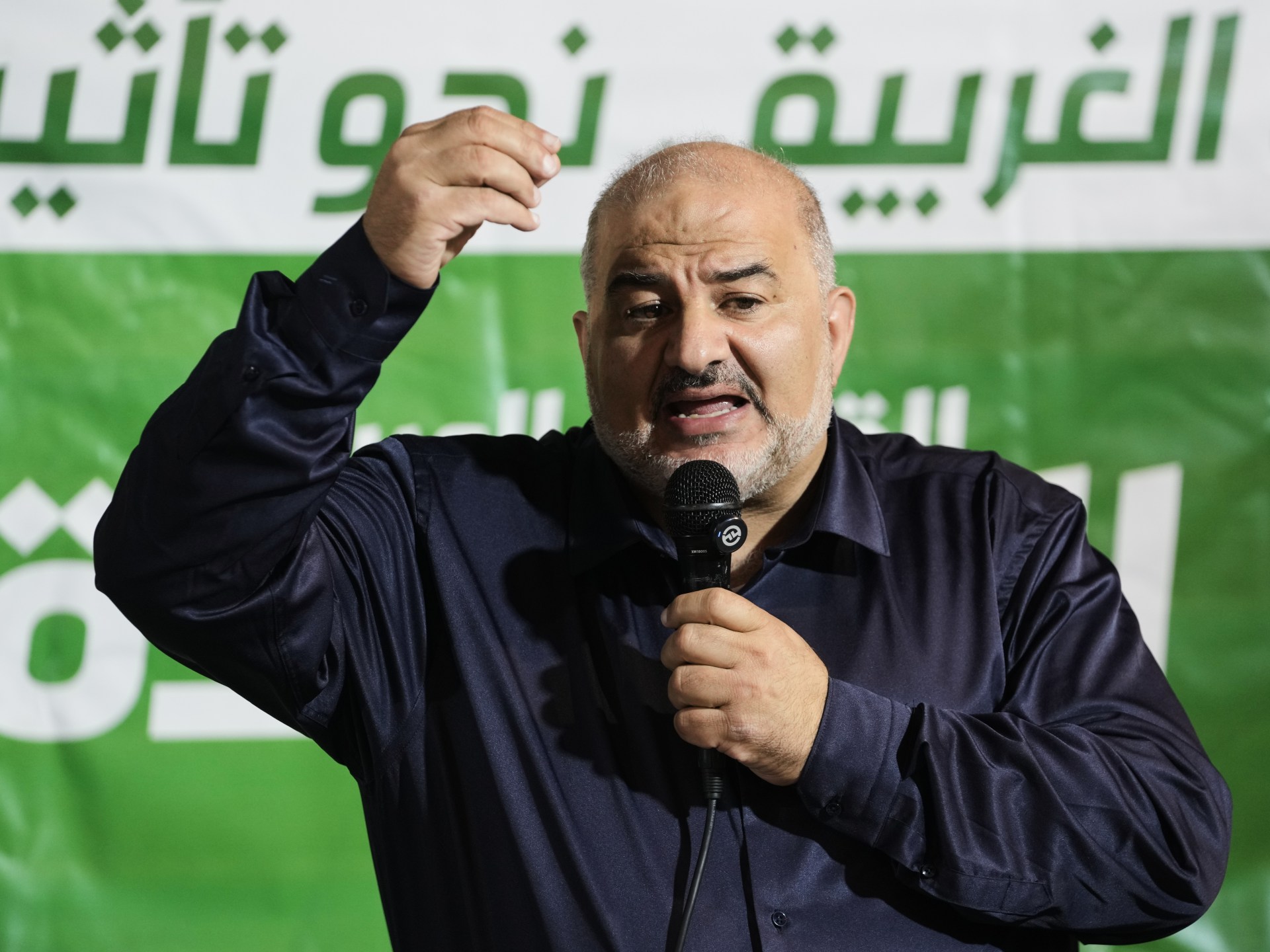
Israel approaches its upcoming general election under conditions of deep domestic polarization, with polling data indicating another razor-thin margin between the primary governing and opposition blocs. Within this fragmented landscape, the balance of legislative power in the 120-seat Knesset increasingly rests on political outliers: Arab-led factions and ultra-Orthodox parties. Historically marginalized or subjected to sharp electoral rhetoric from mainstream coalitions, these distinct blocs now operate as decisive kingmakers capable of breaking persistent political deadlocks or precipitating immediate government instability.
The ultra-Orthodox factions, including United Torah Judaism and Shas, continue to balance conservative social platforms with demands for state subsidies and military draft exemptions, traditionally aligning with right-wing coalitions. Conversely, Arab-led parties such as the United Arab List (Ra'am) and the Hadash-Ta'al alliance represent a growing reassessment of political leverage. Following Ra'am's unprecedented inclusion in an Israeli governing coalition in recent years, minority factions recognize that tactical parliamentary support can yield substantial civil and socioeconomic concessions. However, intense campaign rhetoric targeting these groups underscores the acute systemic friction governing Israeli coalition politics, determining not merely domestic policy, but the continuity of state leadership.
Global Trade & Economic Ripples
The composition of Israel's next government will have direct ramifications for macroeconomic stability and critical infrastructure projects across the Levant. Israel serves as an increasingly vital energy hub for the Eastern Mediterranean, supplying natural gas to regional neighbors Jordan and Egypt while positioning itself as an alternative supplier to European markets seeking diversified fuel sources. Government stability is essential for maintaining investor confidence in ongoing offshore exploration licenses and capital-intensive liquefied natural gas export infrastructure.
Furthermore, sovereign debt markets and foreign direct investment, particularly in Israel's advanced technology and defense exports, remain acutely sensitive to domestic governance risks. Protracted electoral stalemates or the installation of volatile coalition configurations historically inflate political risk premiums, driving volatility into the Israeli shekel and complicating cross-border trade pacts. Strategic commercial corridors, such as proposed transit and supply-chain routes linking the Persian Gulf to Mediterranean ports, depend fundamentally on a durable administrative consensus in Jerusalem.
Related Intelligence: Kenya Cult Tragedy Verdict Stirs Judicial and Regional Security Concerns
International Reactions & Diplomatic Stances
Diplomatic missions across North America, Europe, and the Middle East are tracking the electoral calculus with heightened vigilance. Officials in Washington have reiterated that the bilateral strategic partnership remains foundational, though American policy analysts acknowledge that coalition stability directly impacts broader regional initiatives. The United States continues to prioritize the integration of regional defense and commercial architecture, which requires sustained diplomatic engagement from Israeli authorities.
Concurrently, signatories to the Abraham Accords—including the United Arab Emirates, Bahrain, and Morocco—are assessing whether the electoral outcome will facilitate or inhibit the deepening of cross-border trade, technological exchange, and security coordination. Regional analysts emphasize that an administration heavily indebted to hardline elements could strain relations with regional partners, whereas a pragmatically balanced coalition relying on moderate or minority support may seek to insulate international commercial ties from domestic friction.
Strategic Outlook & Future Scenarios
The immediate post-election phase will inevitably involve protracted, high-stakes negotiations overseen by the Israeli presidency. If mainstream leaders fail to assemble stable majorities independently, both Arab-led and ultra-Orthodox negotiators will command historic bargaining power, demanding major legislative concessions, key cabinet portfolios, and regional budget allocations.
Should coalition talks break down due to irreconcilable policy divides, Israel faces the prospect of recurrent electoral cycles, paralyzing long-term state planning and delaying sovereign approvals for regional infrastructure ventures. Conversely, the successful integration of non-traditional kingmakers could redefine governance norms, offering temporary administrative durability while navigating contentious security, trade, and diplomatic challenges throughout the wider Middle East.
Join Our Official WhatsApp Channel
Receive live commodity alerts, policy changes, and commercial intelligence directly on WhatsApp.