
World Bank Outlines Path to Triple Pakistan Incomes by 2050
The World Bank reports that accelerated structural reforms could triple Pakistan's per capita income by 2050, building on recent macroeconomic stabilization and a recovery in GDP growth.
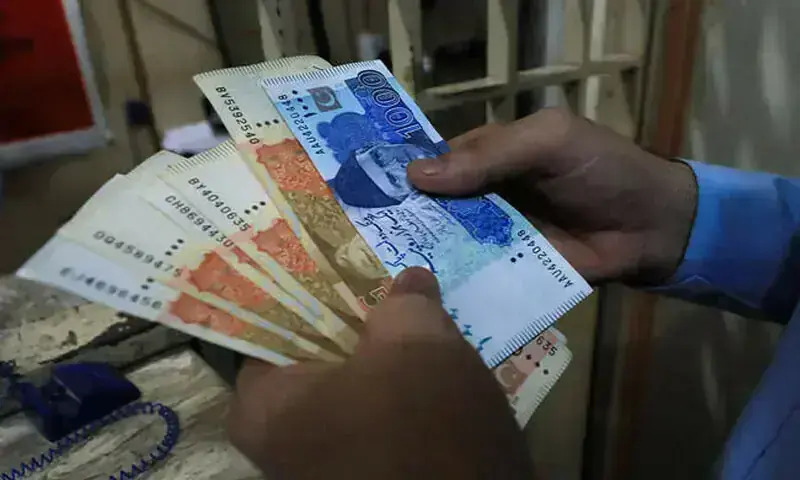
The Core Development
Pakistan stands at an economic inflection point where decisive, faster execution of structural reforms could expand per capita national income threefold by 2050, according to the World Bank Group's latest flagship report. Titled Attaining Escape Velocity, the edition of the Pakistan Development Update notes that hard-won macroeconomic stabilization has established a platform for accelerated, sustained expansion and broad-based employment generation.
The multilateral lender highlighted that prudent fiscal and monetary measures have anchored stability across key indicators, insulating the domestic economy from external shocks, including regional geopolitical escalations in the Middle East. According to official data, real gross domestic product growth rose to 3.7 percent in FY26, up from 3.2 percent recorded in FY25. However, the report cautions that cyclical recoveries remain fragile without enduring policy interventions targeting chronic fiscal imbalances, state-owned enterprise deficits, and trade barriers.
Commercial & Economic Implications
For Pakistan's wholesale networks, commercial retail chains, and commodity distributors, the path toward sustained income expansion signals transformative market dynamics. A structural transition toward higher per capita incomes directly enhances household purchasing power, driving aggregate consumption and shifting demand from basic subsistence goods to value-added FMCG, consumer durables, and modern logistics services.
In the near term, ongoing reform commitments—particularly the rationalization of energy tariffs and the withdrawal of untargeted subsidies—continue to exert operational pressure on retail trade margins and supply chain overheads. Freight operators and commercial distributors face elevated compliance costs as tax authorities broaden enforcement net mechanisms. Nevertheless, stable foreign exchange reserves and predictable monetary policy provide merchants with hedging certainty, reducing inventory volatility and mitigating import-driven price spikes across vital commercial sectors.
Related Intelligence: High-Stakes Israeli Election Threatens Middle East Trade Corridors and Energy Stability
Stakeholder Perspectives & Market Reactions
Market participants across major industrial and trading hubs have received the World Bank findings with cautious optimism, balanced by urgent calls for regulatory ease. The Federation of Pakistan Chambers of Commerce and Industry and various wholesale trading bodies emphasize that achieving the 2050 income milestone requires immediate remedies for prohibitive industrial electricity tariffs and complex domestic taxation frameworks.
Commercial leaders point out that while macroeconomic stability has been successfully restored, high borrowing costs continue to suppress private sector capital expenditure. Financial analysts and corporate treasurers echo this sentiment, underscoring that institutional credibility hinges on whether government departments can resist populist rollbacks during election cycles. Market consensus maintains that long-term income tripling is attainable only if bureaucratic friction is systematically removed for domestic small and medium enterprises.
Forward Outlook & Key Watchpoints
The trajectory of Pakistan's economic performance over the coming fiscal periods depends heavily on structural reform milestones monitored under international financing frameworks. Priority watchpoints include the comprehensive restructuring and privatization of loss-making state entities, particularly within the power distribution and aviation segments, alongside agricultural and retail income tax integration.
Policymakers must also maintain stringent fiscal discipline to keep the primary deficit under control while expanding targeted social safety nets to cushion lower-income demographics. If authorities successfully transition from defensive crisis management to proactive productivity enhancement, Pakistan will establish the foundation required to unlock sustained medium-term growth and secure resilient commercial expansion over the coming three decades.
Join Our Official WhatsApp Channel
Receive live commodity alerts, policy changes, and commercial intelligence directly on WhatsApp.