
EU Awards Top Rights Prize to ICC Amid Escalating US Sanctions
The European Parliament has awarded its prestigious Sakharov Prize to the International Criminal Court, challenging US sanctions and signaling deeper diplomatic friction with President Donald Trump.
The Core Development
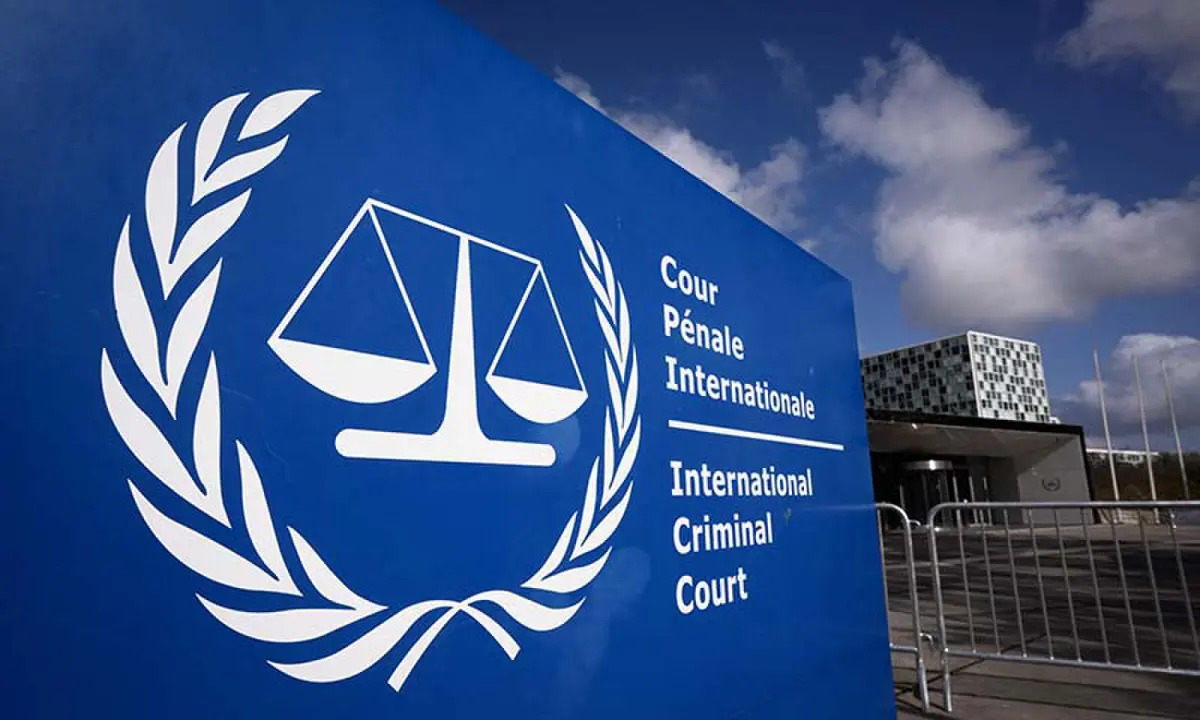
In a decisive geopolitical gesture, the European Parliament has formally awarded the European Union's most prestigious human rights accolade, the Sakharov Prize for Freedom of Thought, to the International Criminal Court (ICC). The announcement, delivered by European Parliament President Roberta Metsola in Strasbourg, represents an explicit institutional defense of multilateralism at a moment when the Hague-based tribunal confronts aggressive punitive measures from Washington.
The timing of the award brings European policymakers into direct friction with the administration of US President Donald Trump, which has persistently threatened and implemented executive sanctions against ICC prosecutors, judges, and administrative personnel. President Metsola underlined that the European Union remains structurally anchored to the rule of international law, framing the recognition as an essential protective measure for judicial independence. Responding to the conferral, ICC President Tomoko Akane stated that the recognition holds exceptional weight as the tribunal navigates an era marked by unprecedented political coercion, reinforcing the institutional legitimacy of international judicial bodies operating under external intimidation.
Commercial & Economic Implications
While the clash centers on international jurisprudence, the widening rift between Brussels and Washington carries profound implications for global trade, emerging economies, and cross-border commercial corridors, including Pakistan. Heightened diplomatic discord between the United States and the European Union complicates multinational compliance frameworks. European export markets and American trading partners are increasingly split across divergent regulatory and political directives, forcing global supply chains to navigate escalating secondary sanction risks.
For Pakistan's wholesale distributors, import-dependent industrial sectors, and consumer markets, sustained geopolitical polarization accelerates volatility across foreign exchange markets and commodity pricing. Bilateral trade with European economies, which remains pivotal under Pakistan's GSP Plus preferential trade framework, requires absolute alignment with European governance and human rights standards. Conversely, aggressive US unilateral policies frequently ripple through international dollar-clearing systems, driving compliance costs upward for local commercial banks handling trade credit and letters of credit. As compliance overhead increases, retail importers and distribution intermediaries across major Pakistani industrial hubs face deferred shipments, elevated marine insurance surcharges, and compressed gross margins on imported raw materials.
Related Intelligence: Southeast Asia Haze Crisis Strains ASEAN Diplomacy and Agricultural Supply Chains
Stakeholder Perspectives & Market Reactions
Legal scholars and international trade analysts have characterized the EU decision as a calculated line drawn against unilateral American economic statecraft. International legal watchdogs praised the move as an overdue assertion of European sovereignty, affirming that judicial institutions cannot be subjected to extraterritorial political retaliation. Diplomatic sources in Brussels acknowledged the high likelihood of political backlash from Washington, indicating that transatlantic policy coherence on international justice has reached a historic fracture point.
Within South Asian financial circles, commercial analysts note that the growing friction between Western power centers incentivizes regional economies to diversify trade settlements and minimize dependency on weaponized financial channels. Pakistani export chambers have voiced concern regarding the broader unpredictability in Western markets, noting that trade disputes and diplomatic friction between Washington and Brussels inevitably translate into erratic currency valuations and subdued consumer demand across both Western retail sectors.
Forward Outlook & Key Watchpoints
The formal presentation of the Sakharov Prize will take place in Strasbourg during the European Parliament's upcoming plenary session, an event expected to elicit immediate response from the White House. Observers are closely monitoring whether Washington will expand executive sanctions targeting ICC-affiliated entities or penalize institutions facilitating the tribunal's administrative mandates.
Key watchpoints over the coming quarters include whether the European Union will operationalize its Anti-Coercion Instrument or reinforce the Blocking Statute to shield its legal and financial operators from secondary US sanctions. Furthermore, emerging markets must scrutinize how these institutional fractures influence multilateral loan agreements, international developmental financing, and bilateral aid allocations throughout the Global South.
Join Our Official WhatsApp Channel
Receive live commodity alerts, policy changes, and commercial intelligence directly on WhatsApp.