
US Orders Saudi Embassy Evacuation as Iran Adopts Offensive Military Doctrine
Washington has ordered diplomatic departures from Saudi Arabia following Iran's shift to an offensive military doctrine, triggering acute supply risk premiums across global oil markets.
Geopolitical & Core Developments
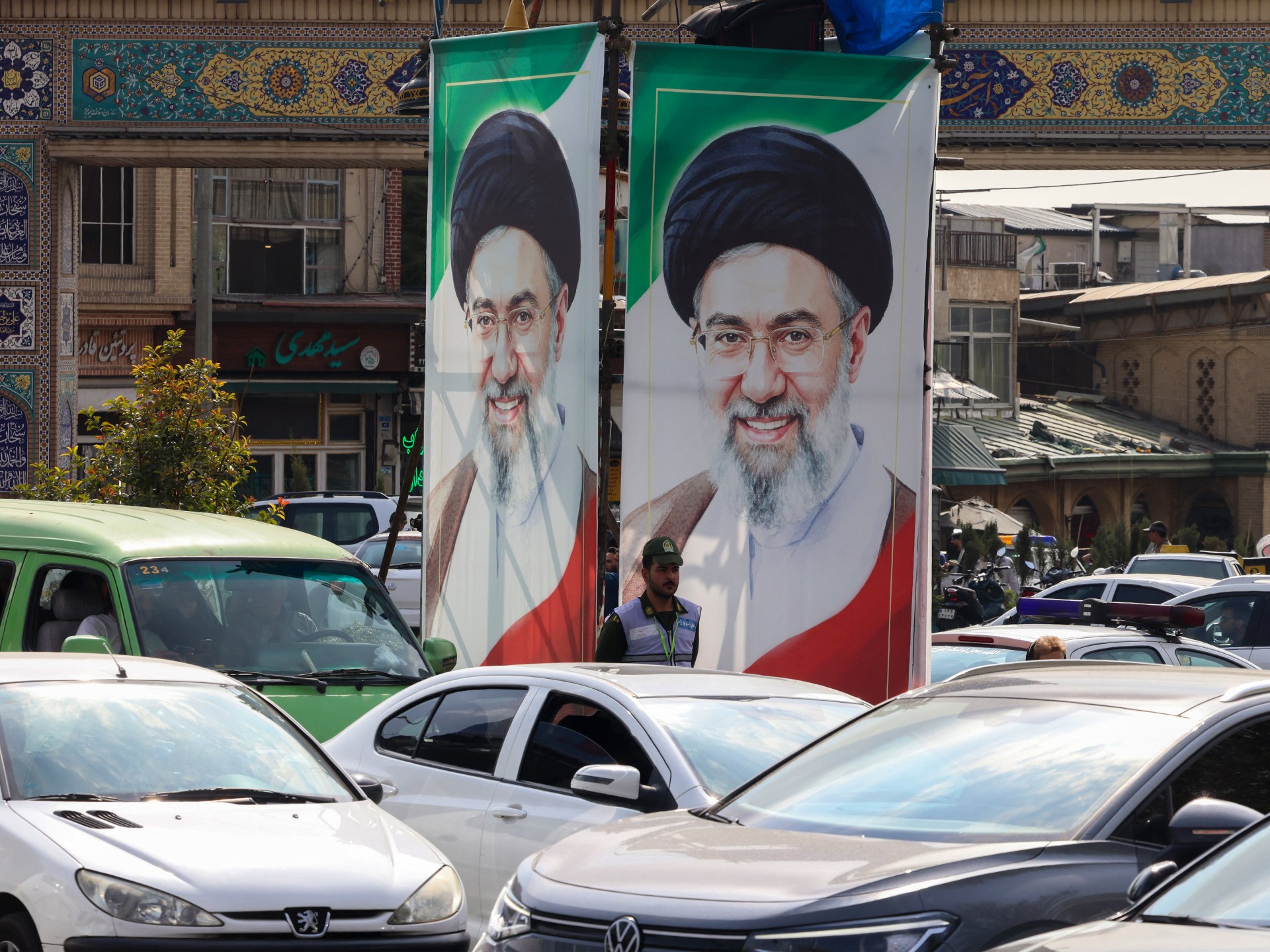
Tensions between Washington and Tehran reached a critical threshold this week after the United States Department of State authorized the mandatory departure of non-emergency diplomatic personnel and eligible family members from Saudi Arabia. The directive follows intelligence assessments indicating an elevated threat of direct kinetic confrontation, amid reports that the United States is evaluating retaliatory or pre-emptive strikes against strategic targets inside the Islamic Republic of Iran.
Simultaneously, military leadership in Tehran publicly announced a formal pivot in its national defense posture, adopting what senior commanders characterized as an 'offensive' operational doctrine. Iranian defense officials declared that their armed forces would no longer limit military posture to retaliatory measures, stating that pre-emptive strikes would be authorized should foreign military movements in the Persian Gulf threaten national sovereignty. Satellite imagery has tracked increased operational readiness across Iranian naval installations along the Persian Gulf, alongside dispersed ballistic missile and drone units deployed to fortified subterranean bunkers.
Global Trade & Economic Ripples
The deterioration in diplomatic stability has sent immediate shockwaves through global energy and commodity markets. Brent crude and West Texas Intermediate contracts posted steep initial gains as financial institutions factored in a substantial geopolitical risk premium, driven by fears of regional infrastructure disruptions.
The primary commercial vulnerability remains the Strait of Hormuz, a maritime transit corridor responsible for approximately twenty percent of the world's petroleum liquids consumption. Market analysts caution that any Iranian disruption or interdiction of merchant vessels along this waterway would instantaneously paralyze regional export logistics, driving maritime freight rates, war-risk insurance premiums, and demurrage costs to historic highs.
Beyond raw hydrocarbons, broader global supply chains face compounded headwinds. Commercial vessels navigating adjacent sea lanes, including the Bab el-Mandeb and Red Sea approaches, are already subject to prolonged detours around Africa's Cape of Good Hope. Sustained hostilities could permanently divert dry-bulk carriers and container traffic, exacerbating input inflation for agricultural fertilizers, industrial metals, and petrochemical derivatives across European and Asian manufacturing hubs.
Related Intelligence: Southeast Asia Haze Crisis Strains ASEAN Diplomacy and Agricultural Supply Chains
International Reactions & Diplomatic Stances
Multilateral bodies and regional capitals have issued urgent appeals for de-escalation to avert open conflict. The United Nations Secretary-General called on all parties to exercise maximum restraint, warning that miscalculations in the Persian Gulf could precipitate an uncontrollable systemic crisis.
European Union foreign ministers expressed deep apprehension regarding Tehran's revised offensive posture while simultaneously urging Washington to prioritize verified intelligence and multilateral coordination before taking irreversible kinetic action. In Beijing, the Ministry of Foreign Affairs reiterated China's calls for regional stability and freedom of international navigation, underscoring that uninterrupted commercial maritime trade is critical for global macroeconomic recovery. Meanwhile, Gulf Cooperation Council members have quietly initiated backchannel diplomatic engagements, balancing their formal defense compacts with the United States against the acute vulnerability of their domestic energy installations.
Strategic Outlook & Future Scenarios
Geopolitical analysts outline two distinct trajectories over the immediate horizon. The first envisions calibrated military signaling, where localized skirmishes or proxy engagements allow both Washington and Tehran to demonstrate strategic resolve without crossing into total war. Under this scenario, economic friction remains concentrated in speculative energy volatility and localized shipping constraints.
The second, more perilous scenario anticipates direct airstrikes on critical command infrastructure, followed by asymmetric counterstrikes on regional energy facilities, foreign military installations, and commercial shipping. Should Washington and allied partners enforce complete energy embargoes or maritime blockades, the global economy would face severe structural shocks, with stagflationary pressures impacting central bank interest rate policies worldwide.
Join Our Official WhatsApp Channel
Receive live commodity alerts, policy changes, and commercial intelligence directly on WhatsApp.