
Karachi Red Line BRT Delays Threaten Commercial Corridors and Public Outlay
Karachi's Red Line BRT project continues to face extensive physical bottlenecks and utility-relocation delays. The slow pace of civil works along major arterial corridors is severely disrupting urban logistics and retail commercial viability.
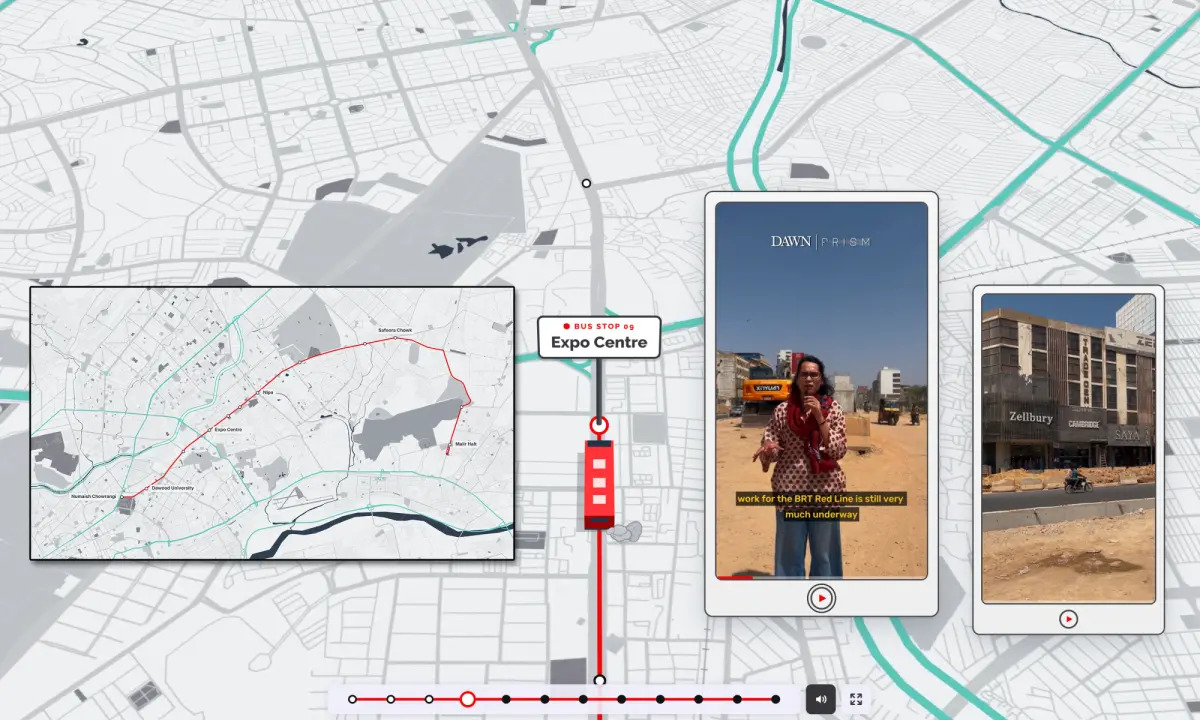
The Core Development
The implementation of Karachi's 26.6-kilometer Bus Rapid Transit (BRT) Red Line system remains ensnared in infrastructural and logistical impasses across its primary trunk routes. Designed to run from Model Colony through University Road, connecting with the Green Line interchange at Numaish, the transit corridor represents a major multilateral-funded urban mobility initiative supported by the Asian Development Bank (ADB) and the Asian Infrastructure Investment Bank (AIIB). However, ground surveys along critical sections, particularly from Safoora Chowrangi to Hassan Square, reveal persistent challenges in utility relocation, uneven civil works execution, and prolonged construction staging. The complex task of shifting high-pressure gas mains, bulk water conduits, and fiber-optic communication lines without bringing the metropolis to a standstill has created acute project inertia.
Contractors and executing agency TransKarachi have experienced repeated schedule adjustments since civil works commenced. While specific sub-packages have seen structural progress on grade-separated structures and segregated busways, critical intersections along University Road remain partially excavated or obstructed. This creates massive friction for vehicular movement, daily commuters, and commercial transit across Karachi's eastern and central districts, raising fiscal concerns regarding cost overruns, inflation-adjusted input adjustments, and lingering contractual settlement delays.
Commercial & Economic Implications
For retail businesses, distribution networks, and light industrial enterprises adjacent to the Red Line alignment, the extended execution timeline has exacted a measurable economic toll. Commercial density along University Road and surrounding sectors relies heavily on steady customer footfall and unfettered vehicular access. Retail shops, automotive workshops, construction material suppliers, and hospitality establishments have reported significant revenue drops due to chronic dust, reduced parking access, and systemic congestion.
Beyond direct point-of-sale retail, urban logistics networks are contending with heightened operational expenditure. Last-mile distribution of consumer goods, pharmaceuticals, and wholesale commodities between Karachi’s port infrastructure, industrial estates, and suburban nodes has become substantially less predictable. Freight transport operators face increased transit times and elevated fuel burn rates across congested alternative corridors such as Rashid Minhas Road and Shahrah-e-Faisal. In aggregate, these micro-level logistics bottlenecks compound broader cost-push inflation in the metropolitan supply chain, directly impacting operating margins for small- and medium-sized traders.
Related Intelligence: West Bank Settler Violence Escalates Regional Geopolitical and Supply Chain Risks
Stakeholder Perspectives & Market Reactions
Trade bodies and merchant associations operating along the construction zone have repeatedly urged municipal authorities to establish clear timelines and emergency business mitigation measures. Representatives from wholesale and retail markets have emphasized that prolonged closures have degraded commercial real estate values and led to enterprise liquidations. Small merchants highlight the lack of coordinated compensation or tax relief mechanisms to offset multi-year revenue reductions caused by urban development disruptions.
Conversely, transportation planners and civil engineers maintain that the long-term economic dividends of modern, segregated mass transit will substantially outweigh interim commercial hardships. The design includes biomethane-powered buses, designated non-motorized transport lanes, and high-capacity passenger corridors capable of transporting over 300,000 passengers daily once fully operational. Economists note that successful delivery will dramatically reduce urban transit times, curb private fuel expenditures, and improve aggregate workforce mobility. However, market confidence remains tempered by historical execution delays across prior mass transit initiatives in the country.
Forward Outlook & Key Watchpoints
The trajectory of the Red Line over the coming quarters hinges on the successful acceleration of civil construction across delayed sections and the resolution of inter-agency utility handovers. Market observers and commercial stakeholders are closely tracking whether TransKarachi and relevant provincial authorities can enforce contractual milestone dates and manage contractor liquidity amid domestic economic pressures.
Key watchpoints include the stabilization of input costs for structural steel, cement, and specialized asphalt, which directly impact contract renegotiations and potential fiscal claims. Additionally, the readiness of terminal depots, bus procurement schedules, and the operational integration of the biogas production facility will indicate whether the corridor can meet revised commercial service dates. Until integrated transit corridors are completed, local enterprise performance along the route will remain constrained by urban congestion and operational fragmentation.
Join Our Official WhatsApp Channel
Receive live commodity alerts, policy changes, and commercial intelligence directly on WhatsApp.