
White House Shakeup Fuels Diplomatic Scrutiny Over US Strategic Continuity
An abrupt personnel shakeup within the White House communications apparatus has heightened diplomatic and market scrutiny regarding the administration's strategic stability and international economic posture.
Geopolitical & Core Developments
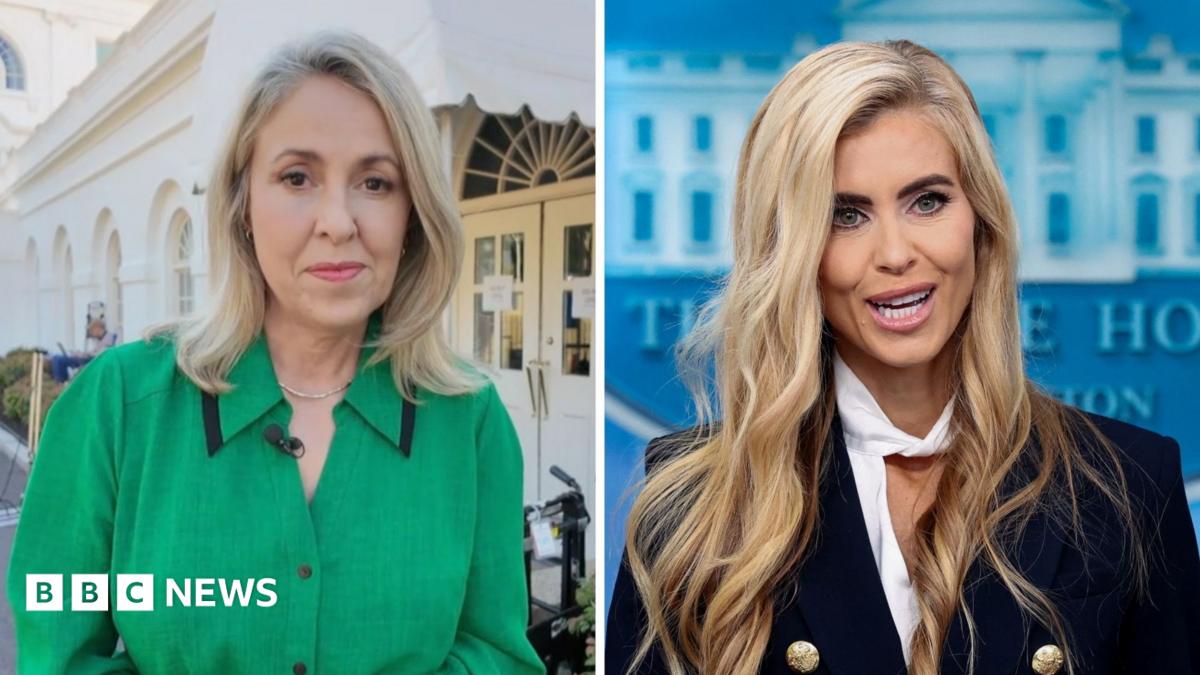
A pivotal briefing at the White House press room, led by Katie Zacharia, underscored growing volatility within executive communications and foreign-facing political operations. Observers, including the BBC's Sarah Smith, noted the uncharacteristic brevity and sharp tenor of the press event, which culminated in the unexpected confirmation that prominent political operative and surrogate Kimberly Guilfoyle was asked to tender her resignation. While personnel movements within an administration are not uncommon, the unvarnished public delivery signal deep structural realignments within the central executive apparatus.
The abrupt termination points to internal fractures concerning public diplomacy, external engagement, and political strategy. Strategic advisors in Washington have emphasized that public disputes and administrative churn at this level frequently reverberate through diplomatic missions. Allied capitals and bilateral counterparts consistently rely on reliable diplomatic interlocutors to decipher core administration policy; sudden changes in executive personnel invariably prompt foreign chancelleries to reassess the balance of power among competing policy factions inside the West Wing.
Global Trade & Economic Ripples
While personnel actions inside the White House are conventionally analyzed through a domestic political prism, international trading desks view executive volatility as a key input for broader macro risks. Modern global trade is deeply contingent on predictability from Washington regarding trade agreements, export controls, and foreign exchange diplomacy. Any sign of internal administrative disruption injects friction into critical transnational channels.
Global energy markets, equity futures, and key commodity benchmarks such as crude oil and industrial metals remain sensitive to shifting US regulatory and tariff postures. When administrative leadership experiences instability, institutional foreign investors often price in a higher governance risk premium. Importers, international logistics operators, and supply chain managers monitor these signals closely, aware that rapid realignments within inner circles can precipitate sudden shifts in sanctions enforcement, critical mineral initiatives, and maritime trade directives.
Related Intelligence: Houthi Threats Against Saudi Aramco Ignite Global Energy Security Concerns
International Reactions & Diplomatic Stances
Foreign diplomatic missions in Washington have reacted to the briefing with measured vigilance. European diplomats, speaking on condition of anonymity, indicated that their respective foreign ministries are tracking whether the personnel departure represents an isolated political realignment or heralds a broader ideological pivot in US external policy. Multilateral bodies and trade organizations in Geneva and Brussels routinely stress the necessity of continuous, clear administrative dialogue, especially as cross-border trade friction escalates across the Atlantic and Pacific basins.
Market analysts and political risk consultancies have cautioned clients that elevated churn inside the executive branch diminishes institutional memory and slows regulatory processing times for major international mergers, foreign direct investment clearances, and bilateral treaty negotiations. International sovereign wealth desks have similarly noted that operational clarity within the executive branch remains a prerequisite for sustained cross-border capital commitments.
Strategic Outlook & Future Scenarios
The trajectory of US administrative strategy over the coming quarters will depend on how swiftly the White House fills critical liaison vacancies and restores message discipline across its diplomatic and economic portfolios. The primary scenario envisions a period of internal consolidation, where remaining senior aides attempt to enforce tighter control over external messaging to reassure foreign partners and institutional markets.
Conversely, if further departures cascade across the administration, international counterparties may increasingly adopt a cautious wait-and-see stance, complicating negotiations at upcoming global summits and multilateral economic forums. For multinational commercial stakeholders and cross-border traders, closely following the realignment of executive personnel remains essential to forecasting Washington's broader geopolitical and regulatory trajectory.
Join Our Official WhatsApp Channel
Receive live commodity alerts, policy changes, and commercial intelligence directly on WhatsApp.