
Houthi Threats Against Saudi Aramco Ignite Global Energy Security Concerns
Renewed Houthi threats targeting Saudi Arabian oil infrastructure and aviation hubs have escalated regional tensions, prompting fresh volatility across global energy markets and maritime transit corridors.
Geopolitical & Core Developments
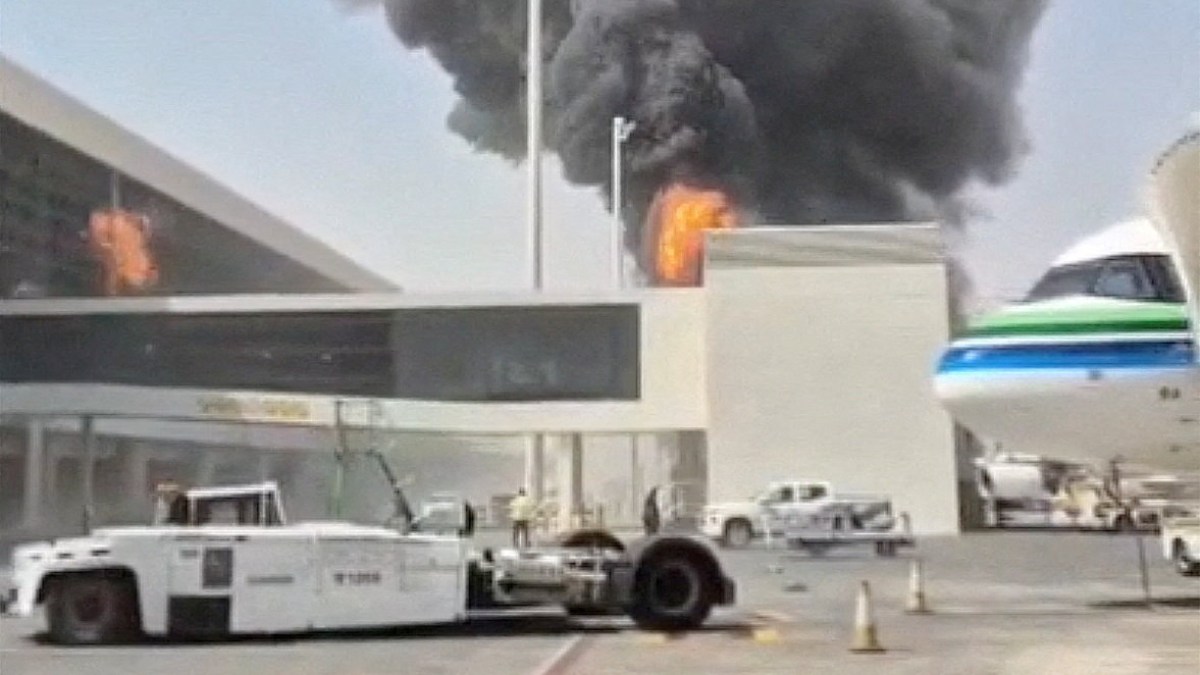
Tensions across the Arabian Peninsula escalated sharply following announcements by Yemen's Ansar Allah movement, commonly known as the Houthis, threatening direct strikes against Saudi Arabia's state-owned energy giant Aramco and major civilian airports. The warnings followed reported explosions in the Yemeni capital of Sanaa, which took place shortly after the Saudi-led coalition issued evacuation directives for targeted installations. Houthi military spokespersons characterized the anticipated retaliation as an inevitable and harsh response to coalition aerial operations, signaling a volatile new chapter in the protracted conflict.
The standoff underscores persistent fault lines between regional actors, predominantly pitting the internationally recognized Yemeni administration backed by Riyadh against the Iran-aligned Houthi faction. Observers note that the threat to strike strategic economic assets directly challenges the fragile period of relative calm observed since previous truce negotiations. Military analysts emphasize that the Houthis possess long-range ballistic missile arsenals, loitering munitions, and unmanned aerial vehicles capable of evading air defense networks to reach deep inside Saudi sovereign territory, placing critical infrastructure at renewed risk.
Global Trade & Economic Ripples
The immediate consequence of renewed threats to Saudi Arabia's energy heartland is the repricing of geopolitical risk in global oil benchmarks. Brent crude and West Texas Intermediate experienced immediate upward pressure as traders factored in supply disruption contingencies. Aramco's processing plants, particularly focal nodes such as Abqaiq and Khurais, represent vital throughput capacity for the international crude market. Any perceived vulnerability in these assets raises freight insurance premiums and adds significant margins to global refining margins.
Beyond raw petroleum extraction, the threats carry profound implications for commercial aviation and maritime logistics. Commercial flight corridors over the southern Arabian Peninsula face mandatory rerouting if airport security remains compromised, translating into longer flight paths and elevated aviation fuel consumption. Simultaneously, commercial maritime traffic through the Bab al-Mandeb strait and the Red Sea continues to operate under high alert. War-risk surcharges assessed by maritime underwriters have escalated, compounding inflationary pressures for consumer economies across Europe and Asia reliant on Gulf energy exports.
Related Intelligence: Renewed Yemen Clashes Deepen Humanitarian Crisis and Maritime Supply Chain Risks
International Reactions & Diplomatic Stances
Diplomatic reactions have reflected deep apprehension regarding the deterioration of Middle Eastern security architecture. Officials from the United Nations Special Envoy’s office for Yemen reiterated calls for maximum restraint, warning that expanding the theater of engagement to commercial infrastructure undermines humanitarian access and jeopardizes delicate political dialogue. Multilateral bodies underscored that civilian airports and commercial assets remain strictly protected under international humanitarian law.
Western capitals, including Washington and London, reaffirmed their security partnerships with Riyadh while urging de-escalation to prevent broader regional conflict. Market analysts at leading energy consultancies noted that while the physical disruption of oil supplies has not yet materialized, the verbal escalation alone tests the endurance of spare capacity buffers maintained by OPEC+ members. Regional trading partners across the Gulf Cooperation Council echoed solidarity with Saudi Arabia, condemning threats aimed at destabilizing regional civil aviation.
Strategic Outlook & Future Scenarios
The strategic trajectory hinges on whether the Houthi movement shifts rhetoric into coordinated long-range strikes against Saudi critical infrastructure. A targeted strike on Aramco terminals would necessitate an immediate military response from coalition forces, potentially ending ongoing diplomatic channels brokered by regional mediators such as Oman. Such an escalation would trigger emergency diplomatic sessions at the UN Security Council and intensify sanctions enforcement targeting illicit weapons proliferation networks.
Conversely, if diplomatic intermediaries successfully lower tensions, the episode may serve as high-stakes posturing intended to secure economic concessions during negotiations regarding public sector salaries and port blockades in Yemen. For global commodity markets, uncertainty will persist as the primary pricing driver, maintaining a defensive posture among crude buyers and maritime operators navigating the Gulf transit routes in the quarters ahead.
Join Our Official WhatsApp Channel
Receive live commodity alerts, policy changes, and commercial intelligence directly on WhatsApp.