
White House Barring CNN From Air Force One Signals Deepening Media Schism
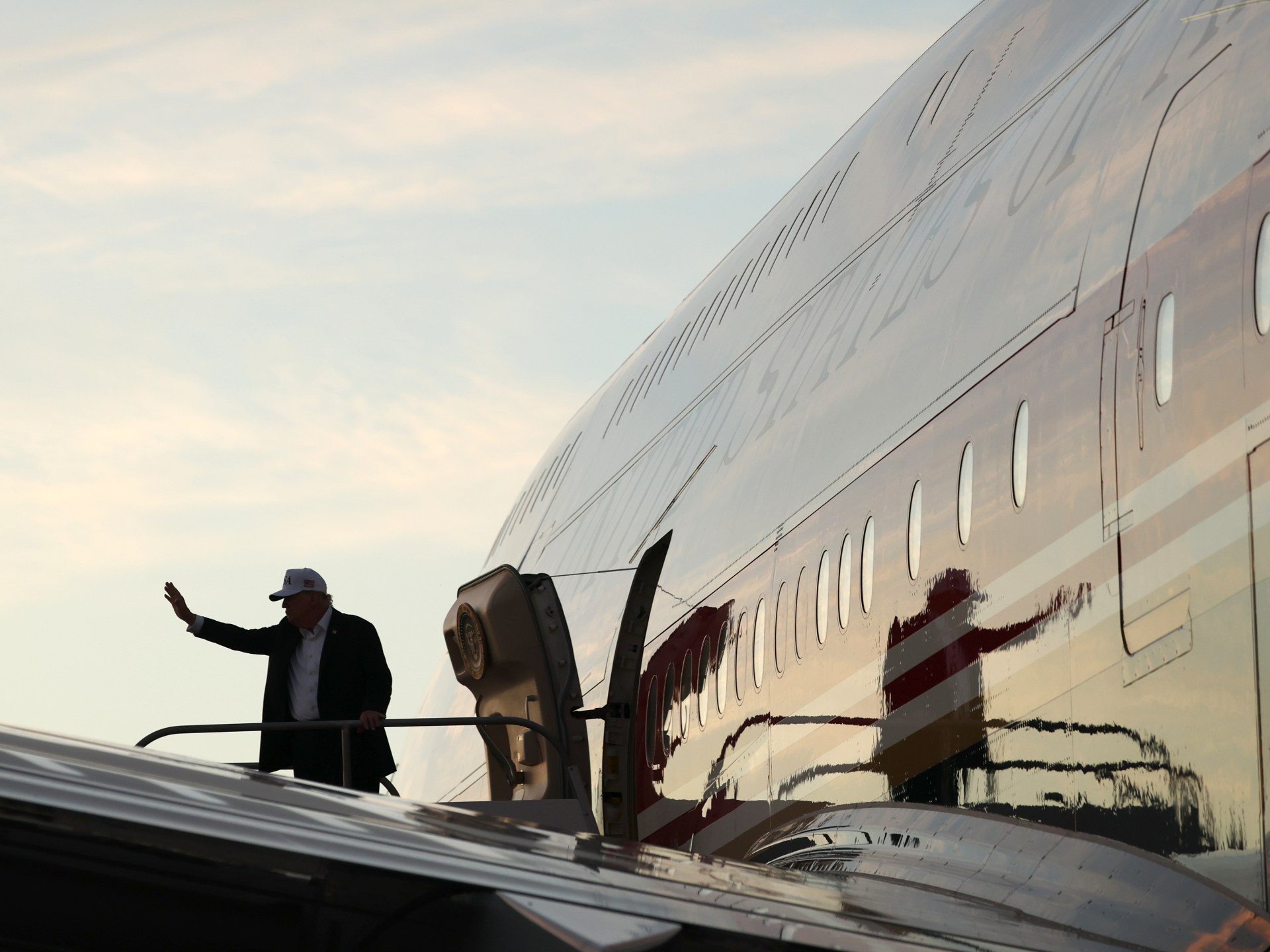
The White House has barred CNN from Air Force One, replacing the network with Real America's Voice News amid escalating tensions between President Trump and the mainstream media.
Geopolitical & Core Developments
The decision by the White House to bar CNN from traveling aboard Air Force One for an upcoming presidential trip marks a significant escalation in the ongoing friction between the executive branch and traditional media organizations. By replacing the long-standing pool seat allocation with Real America's Voice News, the administration has underscored a deliberate shift in how press access is managed and distributed. This development is not merely a logistical adjustment; it reflects a broader strategic realignment in executive communications, prioritizing alternative and supportive media outlets over mainstream journalistic institutions that the administration frequently characterizes as adversarial. The restructuring of the presidential press pool alters the traditional dynamics of state transparency and information dissemination, carrying implications for how foreign governments and international observers evaluate the state of American institutional norms.
Global Trade & Economic Ripples
While press credentialing disputes primarily manifest as domestic political conflicts, shifts in the American media landscape can generate secondary ripples across global markets, particularly in sectors sensitive to policy unpredictability and regulatory sentiment. International investors closely monitor the stability of American democratic institutions and governance norms as a barometer for sovereign risk and long-term economic confidence. Heightened domestic polarization, signaled by institutional friction between the executive branch and major news corporations, contributes to a climate of regulatory uncertainty. Although direct impacts on global energy markets, shipping lanes, or commodity pricing remain negligible, prolonged political volatility in Washington can influence foreign exchange markets and investor sentiment toward US dollar-denominated assets, as international stakeholders weigh the durability of American policy consistency.
Related Intelligence: US Court Ruling Upends Prediction Markets and State Regulatory Landscape
International Reactions & Diplomatic Stances
International bodies, foreign ministries, and global press freedom watchdogs have closely monitored the evolving relationship between the US administration and domestic media organizations. While multilateral institutions like the United Nations typically refrain from commenting on individual press seating arrangements, international journalism federations and foreign editorial boards have expressed concern over restricted access for major news networks. European and Asian diplomatic circles view these developments through the lens of institutional resilience, assessing whether shifts in media access reflect broader changes in United States foreign policy communication and diplomatic engagement. Market analysts note that foreign governments often interpret domestic political friction in Washington as a potential constraint on the executive branch's ability to forge cohesive, long-term international agreements.
Strategic Outlook & Future Scenarios
As the administration prepares for upcoming international summits and diplomatic engagements, the precedent set by altering the Air Force One press pool composition suggests a hardening stance toward mainstream media access. Future international tours and high-stakes negotiations may see continued friction over press accreditation, potentially prompting alternative reporting arrangements and altering the traditional footprint of traveling foreign correspondents. For global businesses, commodity traders, and geopolitical strategists, navigating this environment requires distinguishing between partisan rhetoric and actionable policy shifts. Monitoring the administration's communication channels will remain essential for anticipating regulatory adjustments, trade stances, and geopolitical maneuvers in an increasingly polarized global landscape.
Join Our Official WhatsApp Channel
Receive live commodity alerts, policy changes, and commercial intelligence directly on WhatsApp.