
Bangkok Declares State of Emergency Amid Devastating Capital Floods
Bangkok declares a state of emergency as severe monsoon flooding inundates Thailand's capital, threatening regional supply chains and international trade corridors.
Geopolitical & Core Developments
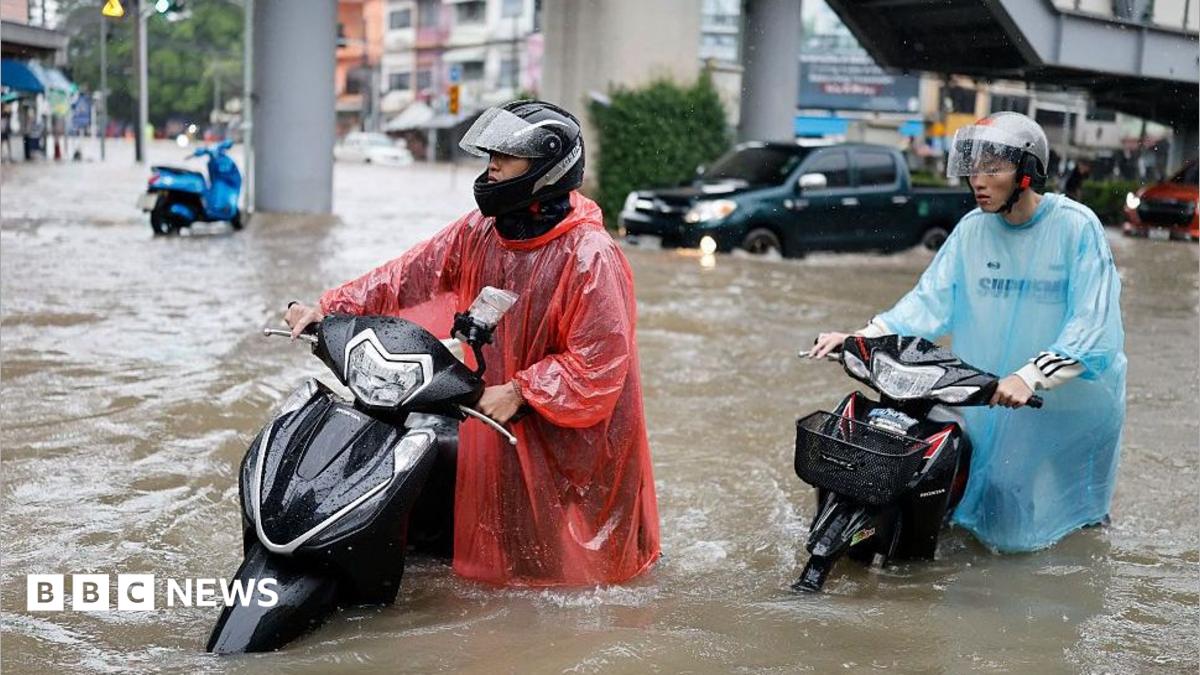
A state of emergency has been officially declared across Thailand's capital, Bangkok, as unrelenting monsoon deluges leave major metropolitan arteries completely submerged. The unfolding humanitarian and infrastructural crisis follows days of unprecedented precipitation that overwhelmed municipal drainage systems and triggered rapid overflows from the Chao Phraya River. Provincial authorities, operating in coordination with the National Disaster Prevention and Mitigation Command, have elevated the threat level to maximum as water levels breach critical thresholds in inner-city districts.
The emergency declaration grants sweeping powers to civil protection agencies and military units to commandeer heavy equipment, evacuate vulnerable populations, and enforce logistical restrictions across the metropolitan zone. Strategic infrastructure, including mass transit networks and electrical substations, faces severe operational risks. The central government in Bangkok has convened an emergency cabinet session to coordinate inter-ministerial deployment, while regional governors in surrounding central plains provinces implement secondary diversion channels to protect the urban core from catastrophic inundation.
Global Trade & Economic Ripples
The paralysis of Bangkok's metropolitan infrastructure carries profound implications for global commodity markets and international supply chains. As a premier regional hub for electronic component assembly, automotive manufacturing, and agricultural distribution, prolonged operational downtime in Thailand threatens global export flows. Major industrial estates situated on the periphery of the capital report logistical bottlenecks as arterial highways and rail corridors remain impassable, stalling container freight destined for the deep-water port of Laem Chabang.
Furthermore, the inundation of surrounding agrarian heartlands raises immediate concerns regarding international food security indices, particularly for global rice and sugar pricing. Thailand ranks among the world's leading exporters of staple grains; localized crop devastation and transport paralysis risk tightening global commodity inventories. International shipping underwriters have already begun reassessing commercial risk premiums for Southeast Asian trade routes, while foreign exchange markets monitor the Thai Baht for sustained downward pressure amid mounting reconstruction estimates and diminished short-term industrial output.
Related Intelligence: Bangkok Declares Disaster Emergency as Monsoon Floods Paralysis Thai Supply Chains
International Reactions & Diplomatic Stances
Global capitals and multilateral organizations have expressed deep concern over the escalating crisis, prompting offers of immediate technical assistance and financial relief. The United Nations Office for the Coordination of Humanitarian Affairs has placed regional disaster assessment teams on standby, offering specialized support in water purification and vector-borne disease prevention. Bilateral partners across the Association of Southeast Asian Nations have initiated diplomatic consultations to coordinate regional solidarity frameworks, emphasizing the shared vulnerability of Mekong River basin economies to extreme weather anomalies.
Global market analysts and credit rating agencies have issued cautious advisories regarding the sovereign credit implications of prolonged infrastructural paralysis. While Thailand's robust foreign exchange reserves provide a fiscal cushion to absorb immediate emergency expenditures, multilateral trade bodies underscore the urgent necessity of climate-resilient urban planning to safeguard foreign direct investment inflows and secure critical manufacturing supply nodes against recurring climate shocks.
Strategic Outlook & Future Scenarios
Looking ahead, the trajectory of the Bangkok crisis will depend heavily on meteorological forecasts for the remainder of the monsoon season and the structural integrity of the capital's flood defense barriers. If water levels recede within the projected fortnight, industrial recovery could be rapid, mitigated by state-backed subsidies and swift supply chain recalibration. However, a prolonged inundation cycle risks permanently altering foreign investor sentiment regarding Southeast Asian operational redundancies, accelerating corporate diversification strategies toward higher-elevation manufacturing jurisdictions.
Upcoming regional economic forums, including the upcoming Asia-Pacific Economic Cooperation ministerial consultations, are expected to pivot toward climate adaptation financing and resilient supply chain architecture. Policymakers face mounting pressure to accelerate multi-billion-dollar hydraulic infrastructure investments to future-proof the metropolitan economy against accelerating global climate instability.
Join Our Official WhatsApp Channel
Receive live commodity alerts, policy changes, and commercial intelligence directly on WhatsApp.