
US Diesel Export Ban Threatens Global Energy Markets and Fuel Prices
Energy experts warn that a potential United States diesel export ban could severely disrupt international fuel markets, driving up domestic and global costs amidst persistent supply tightness.
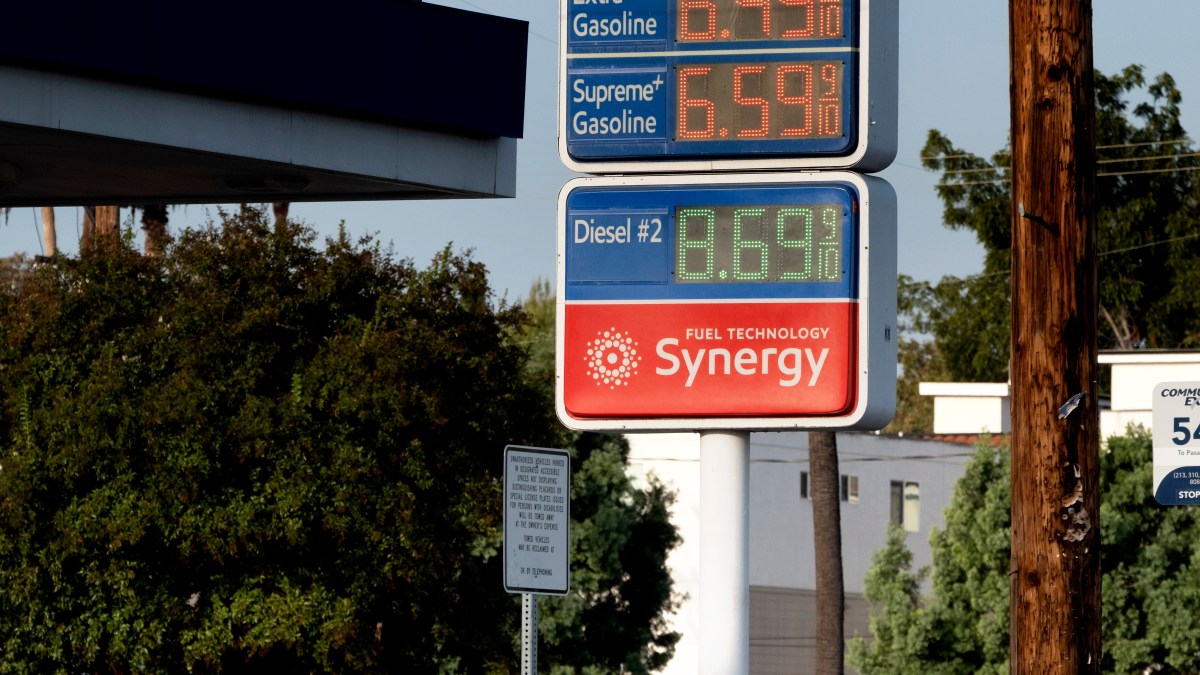
Geopolitical & Core Developments
The ongoing debate surrounding potential United States intervention in domestic fuel markets has escalated significantly, with policymakers weighing export restrictions to tame surging domestic prices. As inflationary pressures strain household budgets and industrial operations across North America, the White House faces mounting political pressure to secure local energy supplies. However, the mechanism of restricting international outflows carries profound systemic risks. Historically, the United States has operated as a net exporter of refined petroleum products, leveraging its robust refining infrastructure to project economic stability and support allied nations. A unilateral export ban would represent a dramatic shift toward energy nationalism, prioritizing immediate domestic political relief over long-term international trade commitments and strategic partnerships.
State actors and regulatory bodies are closely monitoring these policy deliberations, cognizant that the American refining sector is deeply integrated into the transatlantic energy architecture. While proponents of export curbs argue that keeping refined barrels at home will replenish depleted stockpiles and lower retail pump prices for American consumers, critics counter that such measures distort free-market mechanisms and invite retaliatory trade barriers from affected trading partners. The geopolitical stakes extend far beyond North America, touching upon the fragile equilibrium of global energy security at a time when traditional supply routes remain compromised by ongoing geopolitical conflicts and maritime chokepoint vulnerabilities.
Global Trade & Economic Ripples
International commodity markets have reacted with acute sensitivity to the prospect of American export restrictions. Diesel and other middle distillates serve as the lifeblood of the global economy, powering commercial freight, agricultural machinery, maritime shipping, and industrial manufacturing. European economies, which have systematically restructured their energy imports following the cessation of traditional pipeline supplies from Russia, remain acutely reliant on American diesel shipments to avert severe regional shortages. If Washington halts or caps these exports, European buyers would be forced to compete aggressively for scarce alternative barrels from the Middle East and Asia, driving international benchmark prices sharply higher.
The economic ripple effects would rapidly cascade across global supply chains. Higher diesel costs directly inflate freight and logistics tariffs, compounding inflationary pressures on food, manufactured goods, and raw materials worldwide. Developing economies in Latin America and Africa, which depend heavily on imported refined fuels from the United States Gulf Coast, would face debilitating balance-of-payment crises as energy import bills swell. Furthermore, currency values in energy-importing nations could depreciate against the US dollar as central banks struggle to manage soaring import costs, heightening the risk of broader financial instability across emerging markets.
Related Intelligence: Pakistan Adjusts Fuel Prices with Petrol Up and Diesel Down
International Reactions & Diplomatic Stances
Multilateral institutions and international energy watchdogs have voiced profound concern over the potential market fallout of a US export ban. Officials from the International Energy Agency have emphasized that transparent, open trade flows are essential for balancing regional supply deficits, warning that artificial export constraints typically exacerbate global market volatility rather than quell it. European capitals have engaged in quiet diplomatic outreach to Washington, underscoring the critical necessity of maintaining uninterrupted transatlantic fuel corridors to support industrial continuity and winter heating preparations.
Market analysts and major trading houses have similarly cautioned that even the credible threat of export controls can distort forward pricing curves and discourage essential capital investment in refinery maintenance and expansion. Commercial operators note that regulatory uncertainty complicates long-term supply contracting, forcing refiners to adopt defensive positioning that can inadvertently restrict overall output. Energy sector executives argue that market-driven pricing, supported by targeted domestic economic measures rather than trade-halting interventions, remains the most effective mechanism for balancing supply and demand imbalances.
Strategic Outlook & Future Scenarios
Looking ahead, the trajectory of American energy policy will serve as a critical bellwether for global commodity governance. While a formal and permanent export ban remains a worst-case scenario, the persistent political appeal of energy nationalism suggests that discussions regarding supply management will recur whenever domestic price volatility spikes. Policymakers must carefully weigh the short-term domestic political benefits of intervention against the lasting strategic costs of undermining international trade reliability and alienating key commercial allies.
As upcoming international trade summits and energy ministerial meetings approach, the imperative for coordinated global dialogue has never been more pronounced. Mitigating the risk of a transatlantic trade rift over refined products will require robust diplomatic engagement, transparent inventory reporting, and collaborative strategies to enhance global refining capacity. Without such concerted international cooperation, the global energy landscape will remain highly vulnerable to unilateral policy shifts, ensuring that diesel pricing remains a primary vector of geopolitical and economic instability in the months ahead.
Join Our Official WhatsApp Channel
Receive live commodity alerts, policy changes, and commercial intelligence directly on WhatsApp.