
US-China Trade Truce Buys Temporary Respite Amid Deepening Strategic Rivalry
Washington and Beijing have secured a temporary trade truce, but experts warn that structural economic rivalries and supply chain vulnerabilities will continue to threaten global stability.
The Core Development
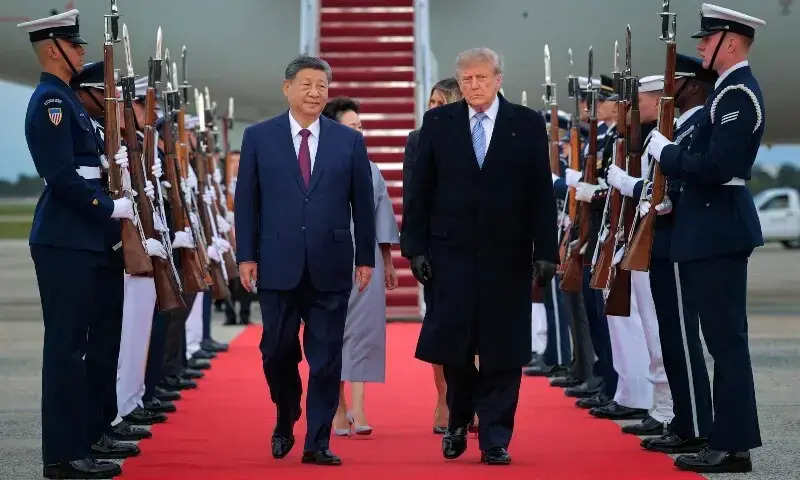
Washington and Beijing have secured a temporary reprieve from escalating economic hostilities, buying critical breathing space through an extended trade truce. US President Donald Trump and Chinese counterpart Xi Jinping concluded a pomp-filled bilateral summit, with the American leader confirming plans for two additional face-to-face meetings before the year concludes. However, diplomatic pageantry masks persistent underlying friction. While both administrations appear keen on projecting stability, trade specialists note that the fundamental architecture of their bilateral dispute remains entirely intact. The temporary standstill defers immediate tariff escalations, yet it fails to address core structural grievances that have destabilized global commerce for years.
Observers point out that the temporary alignment is driven largely by domestic political expediency and immediate macroeconomic pressures in both superpowers rather than a genuine strategic reconciliation. Daniel Russel of the Asia Society Policy Institute noted that even as both leaders adopt conciliatory tones, their respective nations remain locked in a bitter, multifaceted competition encompassing advanced technology transfer, geopolitical control over Taiwan, defense postures, rare earth mineral supply chains, and aggressive national industrial policies. Daniel Kritenbrink of The Asia Group consultancy corroborated this assessment, observing a mutual desire for stability through year-end, tempered by the reality that substantial, binding compromises remain elusive without deeper structural negotiations.
Commercial & Economic Implications
For import-dependent emerging economies such as Pakistan, the protracted superpower standoff carries profound implications across retail trade, wholesale distribution, and macroeconomic stability. Prolonged uncertainty between the world's two largest trading nations directly impacts international commodity prices, shipping freight rates, and currency valuations. Pakistani importers operating in industrial raw materials, electronics, and wholesale retail face persistent volatility, as supply chains remain vulnerable to sudden policy shifts, export controls on critical minerals, and tariff adjustments in major shipping corridors. Furthermore, fluctuations in global energy and industrial input costs driven by US-China friction inevitably feed into domestic inflation, squeezing profit margins for local manufacturers and eroding purchasing power for consumers already grappling with stringent fiscal adjustments.
Related Intelligence: Global Diplomacy at UN Fails on Conflicts but Advances Tech and Trade Talks
Stakeholder Perspectives & Market Reactions
Business councils, trader associations, and industrial bodies in the region are closely monitoring the fragile US-China détente, wary of sudden market disruptions. Representatives from major Pakistani chambers of commerce have expressed anxiety over the unpredictability of global trade policies, noting that even temporary halts in tariff wars do little to restore long-term investor confidence. Financial market analysts emphasize that foreign institutional investors remain cautious, pricing in continuous geopolitical risk premiums across Asian emerging markets. Legal and trade policy experts argue that until Washington and Beijing establish a predictable, rules-based framework for technology transfer and trade enforcement, global markets will remain susceptible to abrupt sentiment reversals and supply chain bottlenecks.
Forward Outlook & Key Watchpoints
As Washington and Beijing prepare for their subsequent leadership summits later this year, market participants and policymakers are focusing on several key indicators of compliance and escalation. Crucial watchpoints include bilateral negotiations surrounding rare earth mineral export quotas, semiconductor supply restrictions, and compliance mechanisms for existing trade commitments. Any breakdown in upcoming diplomatic engagements could trigger renewed tariff hikes, injecting fresh volatility into global financial markets and compelling central banks worldwide to recalibrate their monetary policy responses to imported inflationary pressures.
Join Our Official WhatsApp Channel
Receive live commodity alerts, policy changes, and commercial intelligence directly on WhatsApp.