
West Bank Settler Violence Escalates Following Far-Right Edict on Palestinian Harvest
Recent attacks by Israeli settlers on Palestinian agricultural workers in the West Bank have left multiple people injured following a far-right religious ruling authorizing harvest seizures, exacerbating regional tensions and economic strain.
Geopolitical & Core Developments
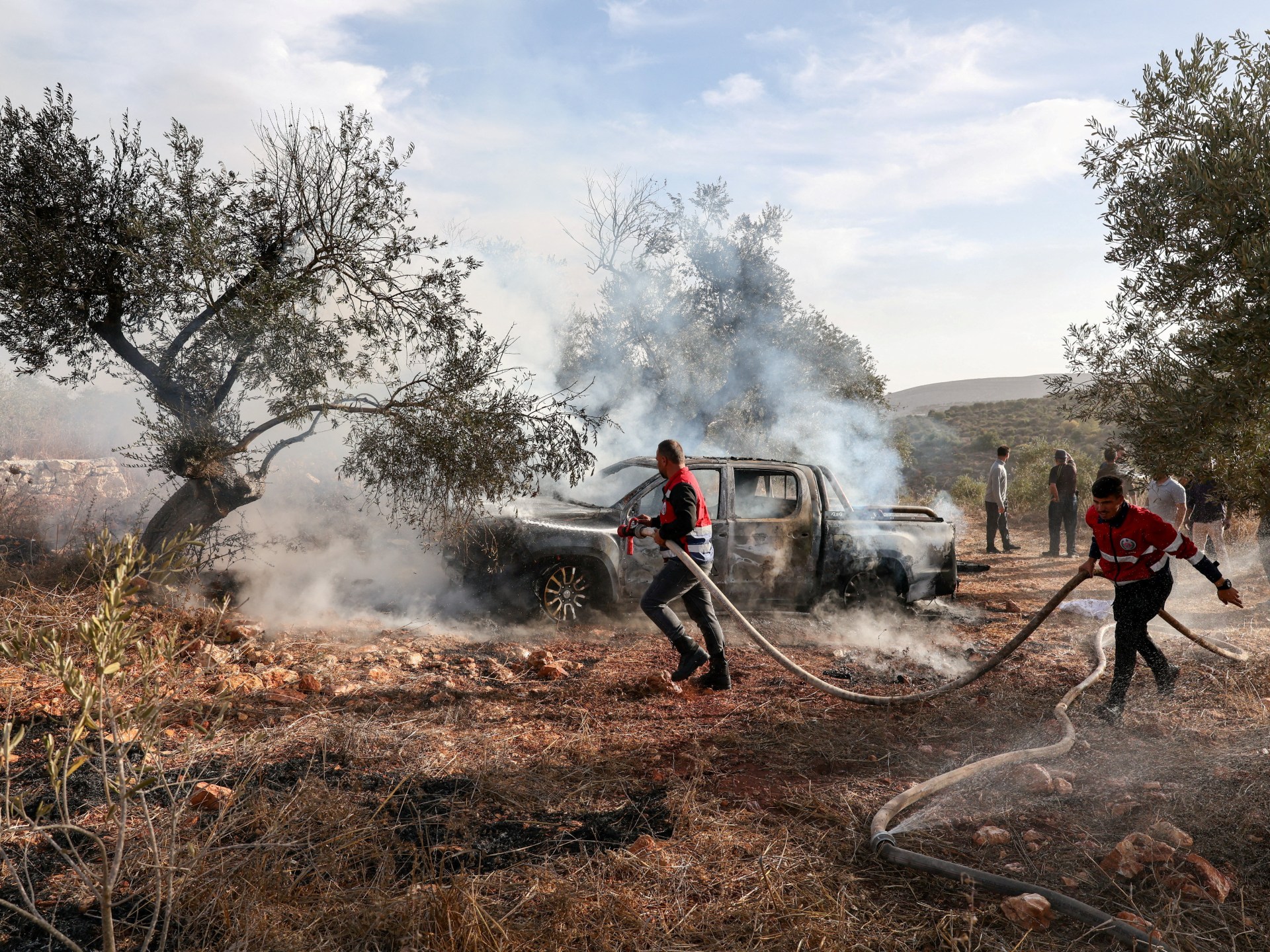
A sharp surge in extremist violence has swept through several Palestinian villages in the occupied West Bank, leaving at least four women and a child injured during the annual autumn olive harvest. The incidents, reported by local authorities and international monitors, represent a severe escalation in physical altercations across agricultural lands in the central and northern West Bank. Eyewitness accounts and human rights observers indicate that armed groups of Israeli settlers entered groves, assaulting local farmers, uprooting trees, and confiscating equipment.
The timing of these coordinated incursions coincides with a widely circulated religious ruling issued by a prominent far-right Israeli rabbi. The edict explicitly sanctioned the seizure of Palestinian-owned crops, categorizing the harvest as permissible spoils under fringe religious doctrines. This decree has served as an operational justification for settler groups targeting critical agricultural corridors. The confrontations unfold amid broader regional volatility, with Israeli military forces increasingly drawn into dual security deployments across the northern border and Gaza, leaving rural Palestinian communities largely unprotected against organized settler offensives.
Global Trade & Economic Ripples
While localized in physical geography, the disruptions carry profound consequences for regional commerce and broader agricultural commodity channels. The olive sector constitutes a vital pillar of the Palestinian domestic economy, accounting for an estimated 14 to 15 percent of the Palestinian agricultural gross domestic product and supporting roughly 100,000 households. The systematic disruption of harvest operations threatens to constrict regional supplies of olive oil and derivative goods, pushing domestic consumer prices upward and forcing reliance on costly cross-border imports.
On a macroeconomic level, the persistent deterioration of stability in the Levant continues to cast a long shadow over Middle Eastern commercial logistics. Prolonged instability around sovereign territories in the Eastern Mediterranean maintains pressure on regional investment indices, sovereign bond yields, and insurance premiums for transport firms operating adjacent to conflict zones. International supply chains remain acutely sensitive to any operational flare-ups that could draw in neighboring state actors, thereby disrupting trade routes across the Red Sea and surrounding shipping corridors.
Related Intelligence: West Bank Olive Disputes Escalate as Rabbinic Ruling Sparks Global Outcry
International Reactions & Diplomatic Stances
Multilateral bodies and foreign ministries have swiftly condemned the targeted attacks on civilian farmers. The United Nations Office for the Coordination of Humanitarian Affairs (OCHA) expressed profound alarm over the rising frequency and severity of settler violence, calling on Israeli authorities to uphold their obligations as an occupying power to ensure the protection and security of Palestinian civilians.
European Union officials echoed these concerns, emphasizing that unlawful crop seizures and acts of physical intimidation undermine international humanitarian law and erode prospects for a negotiated two-state framework. In Washington, State Department spokespersons reiterated calls for the Israeli government to restrain extremist elements and hold perpetrators accountable, noting that unchecked vigilantism destabilizes the security architecture of the entire region. Market analysts and regional policy institutes warn that state inaction could prompt Western capitals to expand unilateral targeted sanctions against extremist settler groups and affiliated political entities.
Strategic Outlook & Future Scenarios
The immediate trajectory points toward sustained friction as the olive harvest continues through the final months of the year. With key far-right members embedded in Israel's governing coalition, law enforcement crackdowns on settler groups remain sporadic, raising the probability of further confrontations on the ground. Escalating clashes could catalyze broader civil disobedience across the West Bank, potentially overwhelming domestic security networks.
In the coming weeks, diplomatic focus will turn to upcoming sessions at the United Nations General Assembly and regional gatherings of the Arab League, where Arab states are expected to table formal resolutions addressing settler expansion and civilian targeting. Should regional governments determine that diplomatic avenues remain ineffective, trade normalization negotiations across the Middle East could face indefinite suspension, cementing an era of prolonged fragmentation across Levantine commerce and regional security alliances.
Join Our Official WhatsApp Channel
Receive live commodity alerts, policy changes, and commercial intelligence directly on WhatsApp.