
Venezuela Pledges Democratic Transition at UN Amid Global Energy Realignment
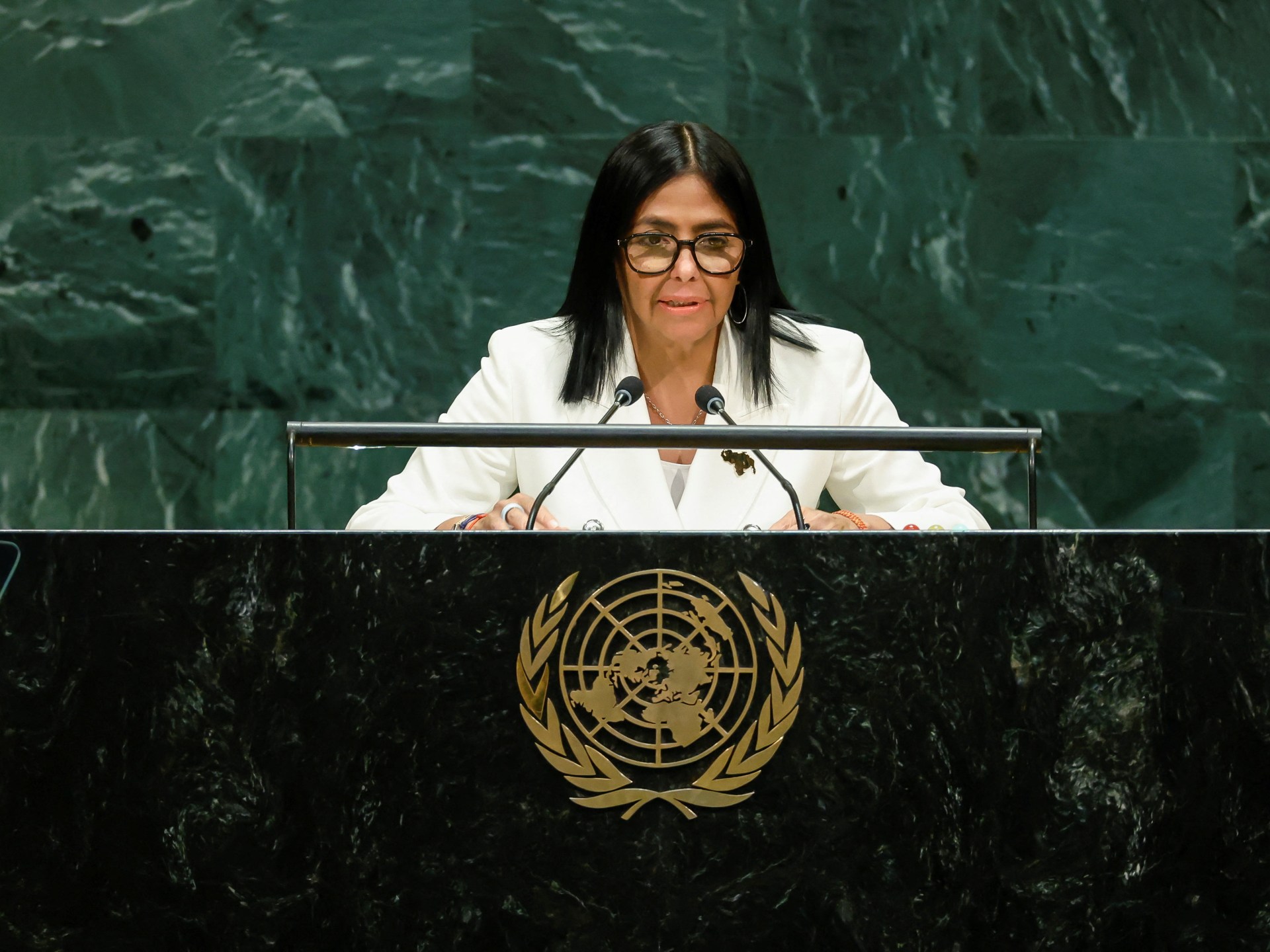
Venezuelan Vice President Delcy Rodriguez pledged a democratic transition at the United Nations without setting a firm electoral timeline, signaling potential shifts for global energy markets.
Geopolitical & Core Developments
During a high-stakes address at the United Nations General Assembly, Venezuelan Vice President Delcy Rodriguez outlined what she characterized as an irreversible trajectory toward full domestic democracy. Amid intense international scrutiny following contentious domestic electoral cycles, Rodriguez asserted that Caracas has actively opened structured political dialogues with various opposition factions. However, her deliberate omission of a concrete electoral calendar drew immediate skepticism from Western diplomats and regional observers.
The strategic posture adopted by Caracas reflects a calculated diplomatic effort to alleviate crippling international isolation while retaining sovereign control over state institutions. By framing the current political landscape as a transitional phase, the administration seeks to alter the calculus of foreign capitals currently enforcing sweeping sanctions regimes. State actors across Latin America and Europe are now re-evaluating their diplomatic engagements, balancing human rights imperatives against urgent geopolitical stability requirements.
[Global Trade](/news/trump-xi-jinping-us-summit-global-trade-geopolitics) & Economic Ripples
For international commodity markets, any shift in Venezuela's diplomatic standing carries profound implications for global energy architecture. Venezuela sits atop some of the world's largest proven heavy crude oil reserves, making its production capacity a critical variable for refiners adapted to specific feedstock grades. The persistent underinvestment in domestic petroleum infrastructure has severely constrained export volumes, but a credible democratization process could unlock foreign direct investment and ease U.S. Office of Foreign Assets Control restrictions.
Easing sanctions or re-integrating Venezuelan crude into North American and European refining networks would alter global shipping lanes and tanker charter rates. International traders are closely monitoring how potential supply infusions might impact Brent and WTI crude benchmarks, particularly as OPEC+ navigates its own production quotas. Furthermore, broader commercial normalization would revive trade credit lines, clearing long-standing sovereign debt disputes and revitalizing bilateral commerce across agricultural and industrial sectors.
Related Intelligence: Siege of Oleshky Intensifies Humanitarian and Regional Commodity Pressures
International Reactions & Diplomatic Stances
Initial responses from the international community have been markedly cautious. United Nations leadership acknowledged the dialogue initiatives while reiterating the necessity of transparent, internationally monitored electoral processes to ensure long-term legitimacy. Washington and Brussels maintain that sanctions relief remains strictly contingent upon verifiable democratic milestones and the unconditional release of political detainees.
Meanwhile, regional powers in Latin America remain sharply divided. While certain leftist governments welcomed the engagement at the UN podium as a triumph for multilateralism, traditional democratic anchors in the region argue that rhetorical commitments cannot substitute for institutional reforms. Market analysts warn that investors will remain on the sidelines until multilateral bodies verify substantive improvements in the rule of law and property rights protection.
Strategic Outlook & Future Scenarios
Looking ahead, the trajectory of Venezuela's reintegration into the global economy hinges on upcoming diplomatic summits and legislative milestones. If Caracas permits independent election monitors and establishes a definitive timeline for credible polls, incremental sanctions waivers could follow, sparking a rush of multinational energy majors back into the Orinoco Belt.
Conversely, should the promised dialogue stall or revert to hardline crackdowns, the geopolitical standoff will intensify, reinforcing existing supply chain bottlenecks and energy price volatility. Global commodity desks must price in persistent regulatory uncertainty, treating Venezuelan output as a high-beta wild card in an already fragile macroeconomic environment.
Join Our Official WhatsApp Channel
Receive live commodity alerts, policy changes, and commercial intelligence directly on WhatsApp.