
Siege of Oleshky Intensifies Humanitarian and Regional Commodity Pressures
Occupied Oleshky faces a severe humanitarian crisis as relentless shelling cuts off essential supplies, amplifying stress on regional agricultural trade and international food security frameworks.
Geopolitical & Core Developments
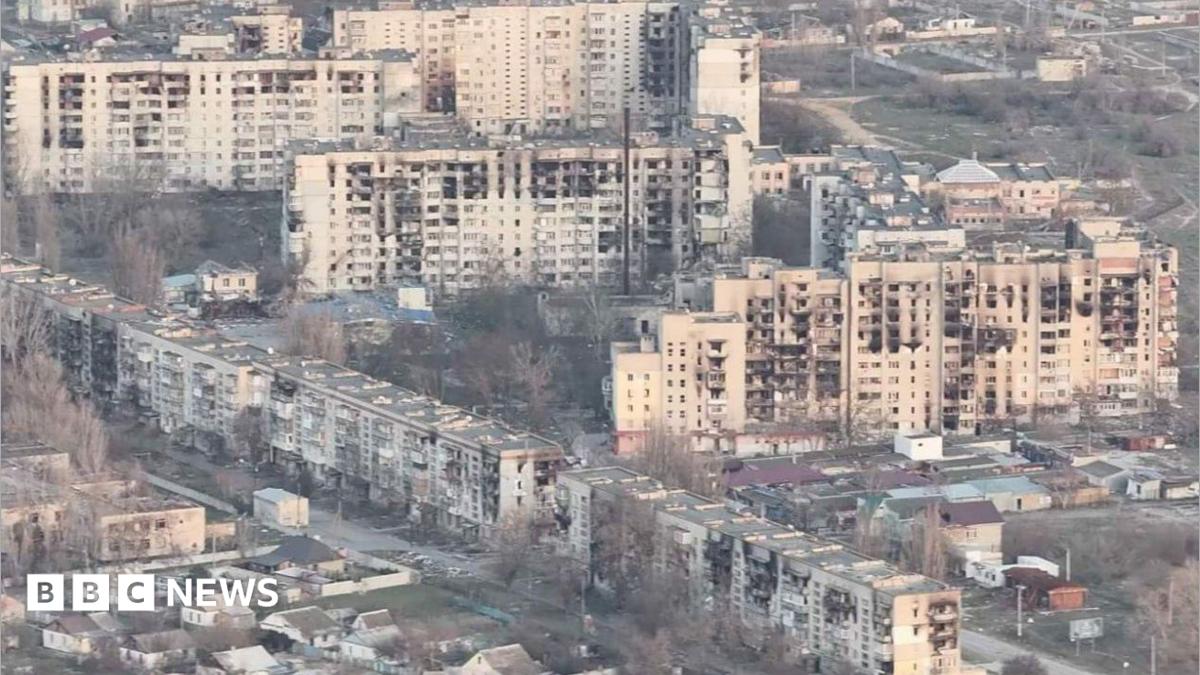
The humanitarian crisis in the Russian-occupied Ukrainian town of Oleshky has intensified dramatically, with local residents reporting a complete breakdown of basic survival infrastructure. Interviews conducted by international broadcasters reveal a populace subjected to relentless front-line shelling while entirely cut off from regular municipal food supplies, potable water, and electricity. Situated in the strategic Kherson region on the left bank of the Dnipro River, Oleshky has transformed into a critical flashpoint of the ongoing territorial conflict. The destruction of vital civilian infrastructure, exacerbated by the catastrophic collapse of the Kakhovka dam in previous months, has permanently altered the geographical and logistical landscape of the southern theater. State actors remain entrenched in high-intensity positional warfare, where civilian centers bear the brunt of artillery exchanges. The strategic stakes for control over the lower Dnipro corridor remain exceptionally high, dictating tactical positioning for both Ukrainian counter-offensive maneuvers and Russian defensive fortifications. As military operations grind forward, the civilian population trapped within occupied zones faces escalating isolation, with humanitarian access severely restricted by occupying authorities and ongoing kinetic engagements.
[Global Trade](/news/trump-xi-jinping-us-summit-global-trade-geopolitics) & Economic Ripples
While Oleshky is primarily a residential and agricultural hub rather than a heavy industrial center, the systemic destruction of the Kherson region carries profound implications for global trade, particularly within international agricultural commodity markets. Ukraine remains a cornerstone of global grain, oilseed, and fertilizer supply chains. The persistent militarization and active combat operations across southern agricultural belts severely disrupt local farming output, processing infrastructure, and domestic transport corridors. Although major Black Sea shipping corridors have experienced partial restoration via humanitarian maritime pathways established by Kyiv and international partners, peripheral regional disruptions continue to inject volatility into global soft commodity pricing. Insurance premiums for maritime freight traversing the broader Black Sea basin remain elevated, reflecting ongoing kinetic risks. Furthermore, the systematic degradation of regional infrastructure limits the long-term productive capacity of fertile black-earth zones, heightening structural anxieties among international grain importers regarding medium-term food price inflation and supply security across North Africa, the Middle East, and parts of Europe.
Related Intelligence: Trump and Xi Open High-Stakes US Summit to Reset Global Trade
International Reactions & Diplomatic Stances
International bodies and diplomatic missions have repeatedly expressed deep alarm over the deteriorating humanitarian conditions in Russian-occupied territories of Ukraine. United Nations human rights monitors have emphasized that the denial of humanitarian access and the indiscriminate bombardment of populated areas constitute severe violations of international humanitarian law. Multilateral institutions continue to press for unconditional humanitarian corridors to alleviate civilian suffering in contested zones like Oleshky. However, diplomatic channels remain heavily constrained by deep-seated geopolitical antagonism between Moscow and Western capitals. Western governments have intensified economic sanctions and targeted export controls against Russian financial and industrial entities, aiming to degrade the Kremlin's fiscal capacity to sustain military operations. Meanwhile, market analysts and international trade federations continue to monitor the humanitarian situation not only through an ethical lens but as a key barometer of broader geopolitical stability, noting that protracted conflict in primary agricultural regions poses persistent downside risks to global economic predictability.
Strategic Outlook & Future Scenarios
Looking toward the medium-term horizon, the trajectory of the humanitarian crisis in Oleshky remains inextricably linked to the broader military stalemate along the southern front. Military strategists anticipate continued attrition warfare, wherein localized engagements dictate the immediate living conditions of civilian populations caught in the crossfire. Upcoming international diplomatic summits, including high-level United Nations General Assembly sessions and European Union security forums, are expected to address both the escalating humanitarian emergency and the enforcement of existing sanctions regimes against Moscow. Analysts suggest that unless a decisive shift occurs on the battlefield or a robust framework for localized ceasefires is negotiated, civilian hardships in occupied zones will persist. For global commodity markets, the ongoing militarization of Ukraine's southern regions guarantees that supply chain fragility will remain a permanent risk factor, necessitating continuous diversification strategies by international trade houses and sovereign buyers alike.
Join Our Official WhatsApp Channel
Receive live commodity alerts, policy changes, and commercial intelligence directly on WhatsApp.