
Pakistan Conducts Precision Cross-Border Strikes in Afghanistan
Pakistan launched retaliatory precision drone and aerial strikes across ten locations in Afghanistan, citing national self-defence following recent cross-border drone incursions.
The Core Development
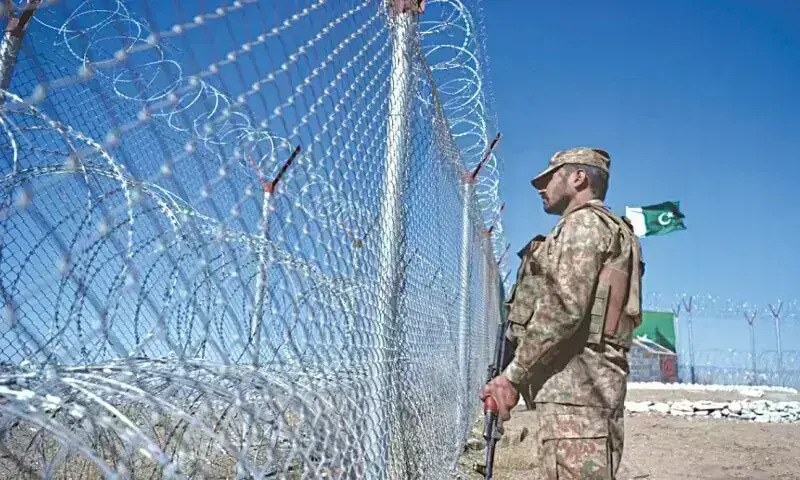
In a decisive escalation of regional security measures, Pakistan executed precision aerial and drone strikes targeting ten distinct locations across neighbouring Afghanistan. The military action, confirmed by Information Minister Attaullah Tarar in the early hours of Thursday, came in direct retaliation for a series of drone attacks launched from Afghan territory against Pakistani installations just a day prior. Operating under the rubric of its sovereign right to self-defence, Islamabad characterized the offensive as calibrated, deliberate, and strictly proportionate. According to official briefings, the military objectives were rigorously vetted and limited exclusively to facilities identified as staging grounds and storage depots for the drones utilized in the initial aggression. This marks a significant operational shift in Pakistan's counter-terrorism and border security doctrine, underscoring Islamabad's diminishing threshold for cross-border provocations and setting a tense new benchmark for bilateral security dynamics.
Commercial & Economic Implications
While the immediate vector of this escalation is military and strategic, the reverberations are bound to ripple through Pakistan's fragile economic landscape. Commercial and trade circles in major commercial hubs are closely monitoring the situation for potential disruptions at vital overland transit corridors, particularly the Torkham and Chaman border crossings. Sustained military friction or tightened security protocols at the frontier inevitably result in cargo bottlenecks, delaying the transit of essential raw materials, fresh produce, and transit trade goods destined for landlocked Afghanistan and Central Asian markets. For domestic markets already grappling with stubborn inflation and stringent fiscal consolidation measures, any prolonged disruption to cross-border commerce risks exacerbating supply chain bottlenecks, elevating logistical costs for wholesale distributors, and stoking retail price volatility for imported commodities.
Related Intelligence: Yemeni Government Launches Dual Military and Diplomatic Push Against Houthi Forces
Stakeholder Perspectives & Market Reactions
Business councils, trader associations, and industrial bodies have voiced cautious anxiety over the broader economic fallout of escalating geopolitical tensions. Representatives from chambers of commerce in Khyber Pakhtunkhwa and Balochistan noted that while national security remains paramount, the business community relies heavily on predictable border operations for regional trade integration. Legal experts and foreign policy analysts emphasize that Islamabad's invocation of self-defence under international norms is designed to signal resolve to domestic constituencies while maintaining strict calibration to avoid a wider conventional conflict. Meanwhile, public response has been polarized, reflecting both staunch support for state sovereignty and profound economic anxiety regarding the potential impact on domestic market confidence and foreign investor sentiment.
Forward Outlook & Key Watchpoints
As the situation unfolds, market participants, policymakers, and international observers will closely track several critical indicators over the coming weeks. Key watchpoints include the operational status of major commercial border terminals, potential diplomatic interventions by regional mediators, and any subsequent security measures implemented by security forces along the western frontier. For Kalyar Traders' clientele and the broader business community, mitigating inventory risks, diversifying supply chain routes away from volatile border corridors, and maintaining agile logistics frameworks will remain vital strategies to navigate the unfolding geopolitical landscape.
Join Our Official WhatsApp Channel
Receive live commodity alerts, policy changes, and commercial intelligence directly on WhatsApp.