
Israel Moves to Bar Arab Lists, Triggering Regional Disquiet
Israel's move to bar main Arab political lists from the upcoming elections threatens severe domestic instability and draws international scrutiny over democratic integrity and regional risk.
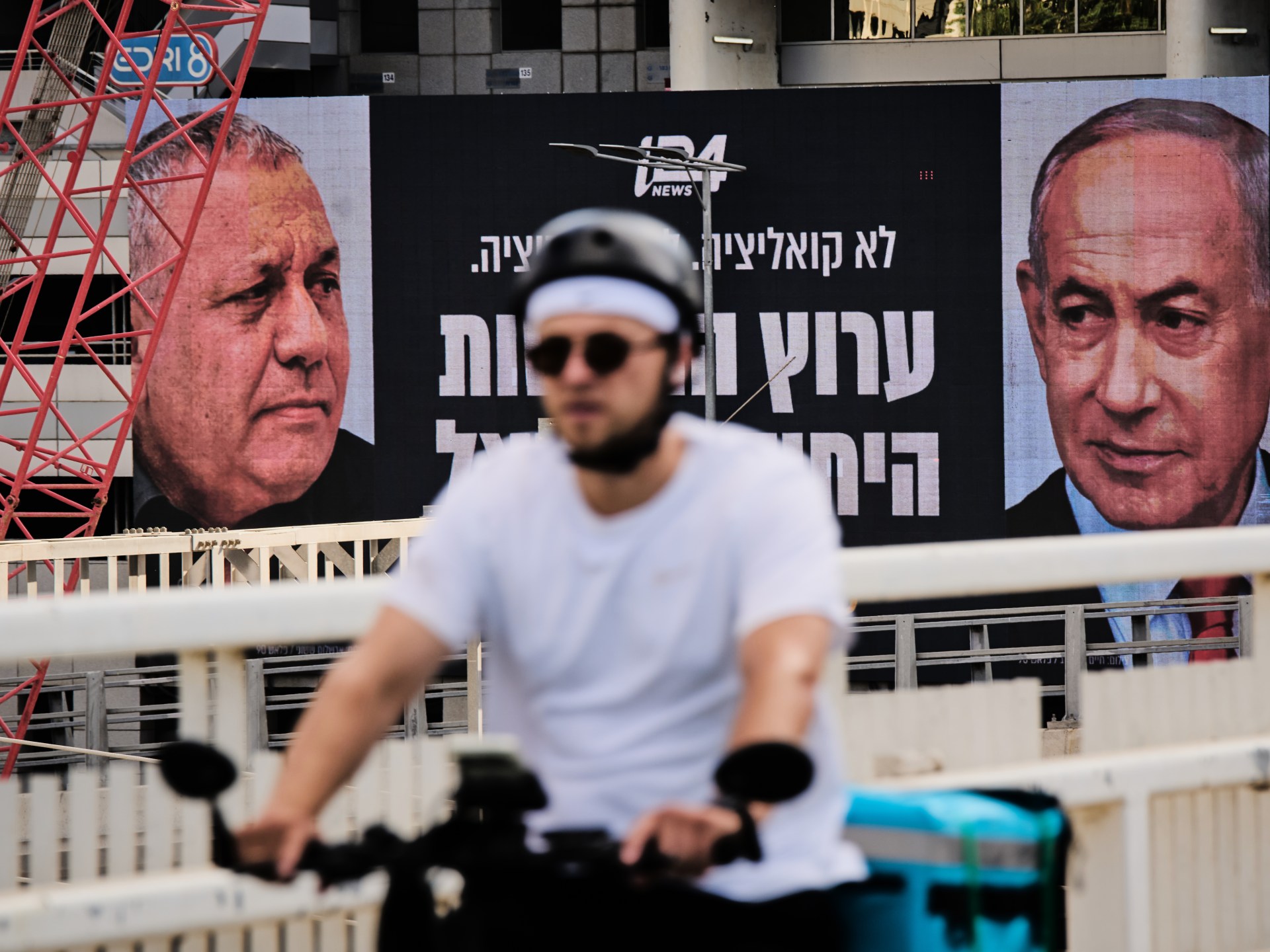
Geopolitical & Core Developments
The political landscape within Israel has entered a turbulent phase following moves by electoral authorities to bar the two main Arab political factions, Ra'am and the Joint List, from participating in the upcoming October national elections. This unprecedented legal and political maneuver has sent shockwaves through the domestic legislature, effectively threatening to strip Palestinian citizens of Israel—who comprise roughly twenty percent of the population—of their primary institutional representation within the Knesset.
Historically, Arab parties have navigated a complex and often hostile parliamentary environment, yet their inclusion served as a vital democratic safety valve. The current initiative to disqualify these lists stems from intensified nationalist polarization within the ruling coalition and right-wing factions, who accuse the leadership of these parties of subverting the state's Jewish character. Legal experts point out that while the Central Elections Committee has previously attempted similar bans, Supreme Court interventions have historically protected minority franchise. However, the shifting judicial balance has raised anxieties that this time, institutional safeguards may falter. The systematic sidelining of Arab representation alters the foundational social contract within the state, creating a profound crisis of legitimacy that resonates far beyond domestic borders.
[Global Trade](/news/trump-xi-jinping-us-summit-global-trade-geopolitics) & Economic Ripples
While the disqualification of political lists appears primarily as an internal constitutional crisis, global commodity markets and international trade analysts are monitoring the situation for potential spillover effects. Israel sits at a critical nexus of Eastern Mediterranean energy corridors, notably concerning offshore natural gas fields such as Leviathan and Tamar. These reserves supply crucial energy resources to neighboring states, including Egypt and Jordan, thereby underpinning broader regional economic stability.
Internal civil unrest, widespread strikes, or sustained boycotts by Palestinian citizens—who play indispensable roles in Israel's healthcare, high-tech, construction, and service sectors—could introduce severe logistical bottlenecks. Any significant domestic paralysis risks disrupting foreign direct investment into Israel's burgeoning technology and defense sectors. Furthermore, international institutional investors increasingly factor domestic political stability and adherence to rule-of-law metrics into their risk assessments. Heightened civil strife in Tel Aviv and Jerusalem threatens to elevate sovereign risk premiums, impacting currency valuations, specifically the Israeli New Shekel, and prompting cautious re-evaluations by multinational corporations operating in the Levant.
Related Intelligence: Siege of Oleshky Intensifies Humanitarian and Regional Commodity Pressures
International Reactions & Diplomatic Stances
The international community has responded to the electoral developments with mounting diplomatic unease. Western allies, including the United States and European Union member states, have historically emphasized the importance of inclusive democratic processes in partner nations. While formal statements from foreign ministries remain measured, diplomatic channels are reportedly buzzing with warnings that the disenfranchisement of a significant minority risks deepening societal fractures.
Human rights organizations and multilateral bodies, including various United Nations rapporteurs, have voiced alarm over the trajectory of Israeli electoral jurisprudence. Analysts from prominent economic think tanks suggest that prolonged domestic friction could complicate ongoing normalization accords and regional economic integration frameworks, such as the Negev Forum initiatives. Neighboring Arab states with formal diplomatic ties to Israel are watching the proceedings closely, as the erosion of rights for Palestinian citizens complicates their own domestic political calculus regarding regional cooperation and trade pacts.
Strategic Outlook & Future Scenarios
As the legal battles transition to the Supreme Court, the immediate trajectory points toward heightened judicial confrontation and potential street-level protests. If the ban on Ra'am and the Joint List is upheld, international markets and geopolitical strategists anticipate a chilling effect on voter turnout among Arab Israelis, likely culminating in widespread election boycotts and sustained civil disobedience.
In the medium term, such an outcome would fundamentally transform the Israeli legislative body into a less representative institution, potentially hardening stances across the Middle East. For global supply chains and energy infrastructure projects in the Eastern Mediterranean, investors will need to price in elevated political risk. Upcoming diplomatic summits and international trade forums will undoubtedly feature closed-door discussions regarding the erosion of democratic norms in key strategic allies, as stability in the Levant remains an indispensable pillar of broader global economic equilibrium.
Join Our Official WhatsApp Channel
Receive live commodity alerts, policy changes, and commercial intelligence directly on WhatsApp.