
United Nations Faces Existential Crisis Amid Unilateral Global Powers
Experts warn that mounting geopolitical gridlock, chronic funding deficits, and rising unilateralism are pushing the United Nations toward an unprecedented institutional crisis.
Geopolitical & Core Developments
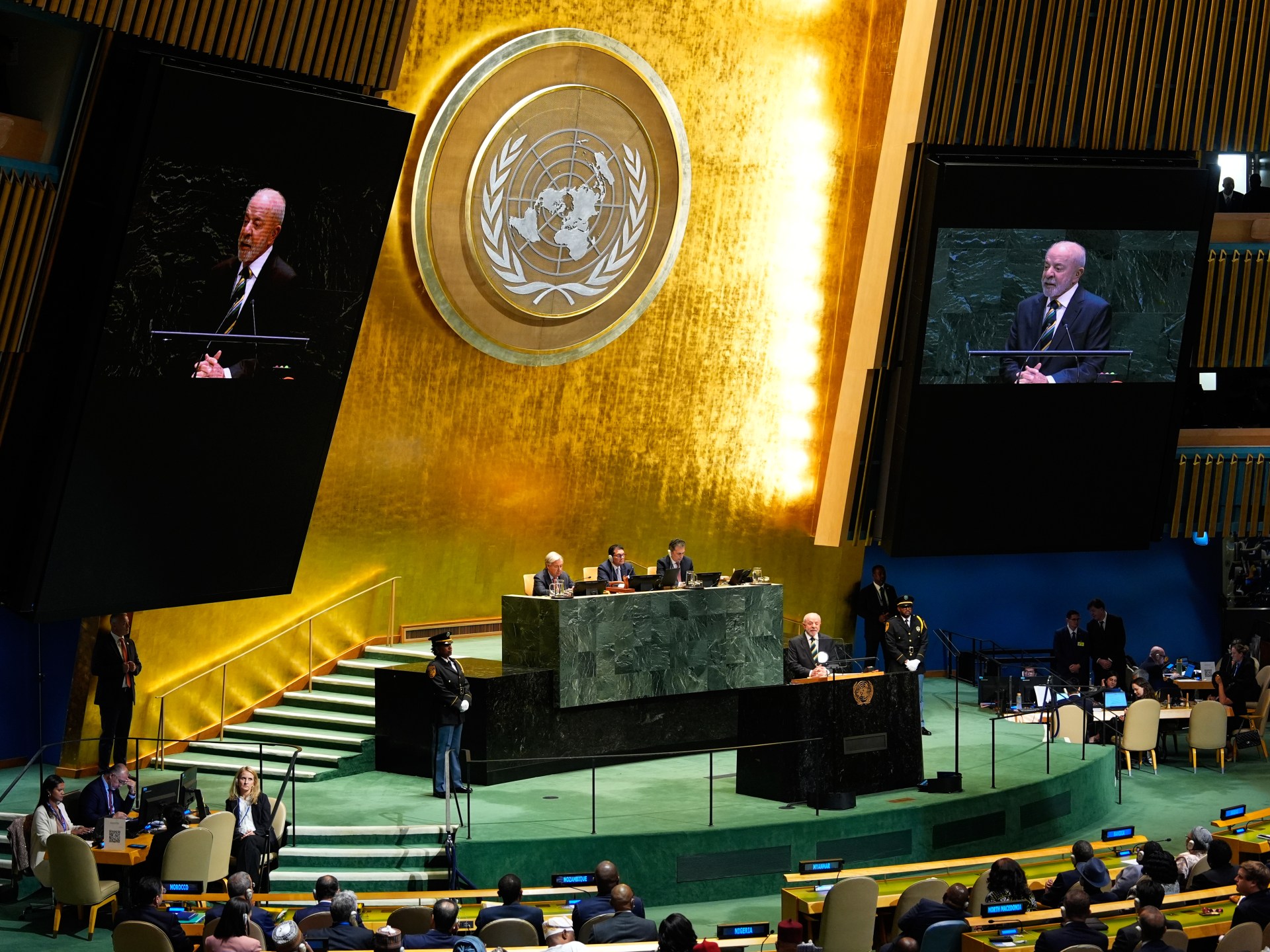
The multilateral architecture established in the aftermath of the Second World War is confronting its most severe structural test to date. At United Nations headquarters in New York, diplomats and international relations experts warn that the organization is locked in a multi-dimensional crisis defined by institutional paralysis, financial starvation, and a growing irrelevance in contemporary conflict resolution. As major geopolitical powers increasingly bypass multilateral consensus in favor of unilateral maneuvers, the foundational premise of collective security is eroding rapidly.
The United Nations Security Council, designed to act as the primary arbiter of international peace and security, has been repeatedly paralyzed by deep-seated rivalries among its permanent members. The persistent use and threat of the veto have rendered the Council incapable of issuing decisive responses to major geopolitical flashpoints, from protracted conflicts in Eastern Europe to escalating humanitarian catastrophes in the Middle East. This diplomatic gridlock has created a dangerous vacuum, encouraging regional powers to pursue aggressive, self-interested foreign policies unconstrained by international law or UN oversight.
Simultaneously, the organization is grappling with an unprecedented liquidity crisis. Chronic delays in assessed contributions from major member states have left the UN regular budget and peacekeeping operations severely underfunded. Essential administrative functions have been curtailed, and humanitarian agencies operating in volatile zones face imminent pipeline breaks. This fiscal strangulation severely limits the UN's capacity to deploy timely preventative diplomacy or sustain long-term peacebuilding initiatives, further accelerating its descent into institutional impotence.
Global Trade & Economic Ripples
The degradation of multilateral diplomacy carries profound implications for global trade, commodity markets, and international supply chains. In an era where international commerce relies heavily on predictable regulatory frameworks and secure maritime routes, the erosion of UN-backed agreements introduces acute systemic risk. Unilateral sanctions, retaliatory trade restrictions, and the weaponization of economic policy by major powers are fragmenting the global economy into competing blocs.
Energy markets and critical supply chains are particularly vulnerable to this geopolitical fracturing. Without effective multilateral coordination, vital shipping lanes face heightened security risks, driving up marine insurance premiums and freight rates. Commodity pricing—encompassing crude oil, agricultural staples, and industrial metals—has become increasingly volatile as traders price in the escalating probability of supply disruptions. Furthermore, currency values in emerging markets are experiencing heightened instability as capital flees toward safe-haven assets in response to mounting geopolitical uncertainty.
Multinational corporations are being forced to completely recalibrate their global operational strategies. Supply chain resilience is rapidly replacing cost optimization as the primary corporate metric, leading to widespread near-shoring, friend-shoring, and industrial diversification. These structural adjustments, while mitigating immediate geopolitical exposure, impose permanent efficiency losses and contribute to persistent global inflationary pressures.
Related Intelligence: Super El Nino Threatens Global Markets and Vulnerable Economies
International Reactions & Diplomatic Stances
Official responses from member states and international bodies reflect deep ideological divisions over the future of global governance. UN Secretary-General Antonio Guterres has repeatedly issued stark warnings regarding the fracturing of the international order, urging member states to recommit to multilateral cooperation and fulfill their financial obligations. However, appeals for institutional reform, particularly regarding the expansion and restructuring of the Security Council, have met stubborn resistance from entrenched powers unwilling to dilute their veto privileges.
Developing nations, particularly within the Global South, have expressed mounting frustration over double standards in international law and the disproportionate influence wielded by Western and traditional superpowers. This disillusionment has catalyzed the expansion of alternative multilateral platforms, such as BRICS, signaling a significant shift toward a multipolar diplomatic landscape. Meanwhile, market analysts and credit rating agencies are increasingly factoring geopolitical risk into sovereign debt assessments, warning that prolonged institutional paralysis could destabilize vulnerable developing economies reliant on multilateral financial assistance.
Strategic Outlook & Future Scenarios
Looking ahead, the trajectory of the United Nations will depend heavily on upcoming high-level summits and the willingness of major states to compromise on institutional reforms. Without a concerted effort to revitalize multilateral mechanisms, the international system risks sliding further into a Hobbesian state of great power competition, characterized by unchecked militarization and fragmented trade regimes.
Investors and corporate strategists must prepare for a prolonged period of geopolitical volatility. Key escalation points to monitor include upcoming elections in major economies, potential flashpoints in maritime trade chokepoints, and the ongoing debate over the reform of international financial institutions. As unilateralism supersedes collective diplomacy, adaptability, robust risk management, and diversification will remain paramount for navigating the complex global economic landscape.
Join Our Official WhatsApp Channel
Receive live commodity alerts, policy changes, and commercial intelligence directly on WhatsApp.