
Venezuela Accords Set Stage for Judicial Overhaul and Energy Realignment
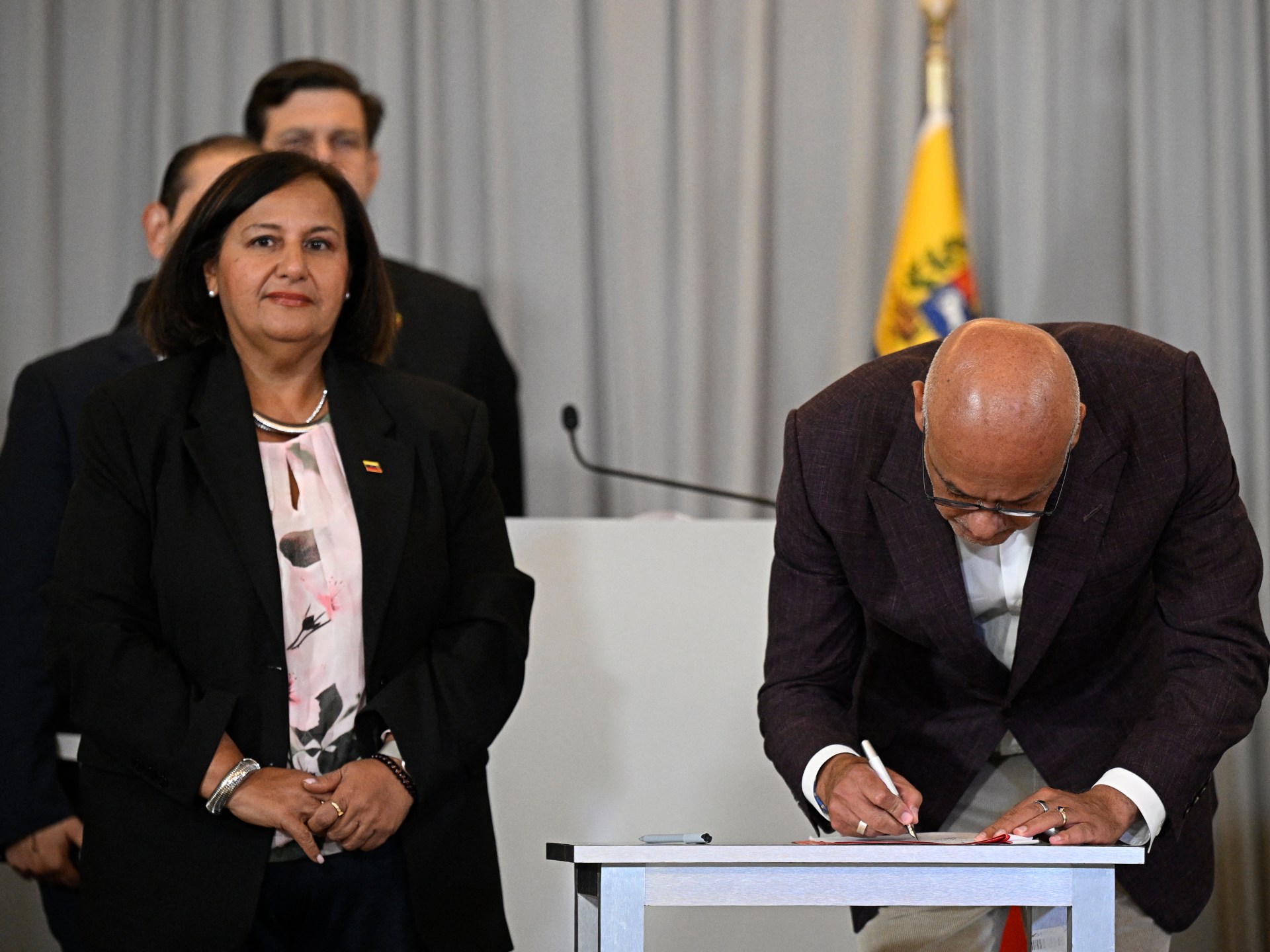
Venezuelan authorities and opposition factions have agreed to form a joint committee to reform the Supreme Court, signaling a potential shift in governance that could unlock international energy markets.
Geopolitical & Core Developments
In a significant diplomatic development for Latin America, the Venezuelan government and opposition factions have formally agreed to establish a joint committee dedicated to the comprehensive reform of the nation's Supreme Court of Justice (TSJ). Announced following protracted negotiations, this institutional pact marks a crucial step toward addressing deep-seated domestic political friction that has isolated Caracas from Western capitals for over a decade. The newly formed bipartisan commission is tasked with reviewing and restructuring the selection processes for high court candidates, a long-standing demand by civic leaders and international monitors seeking to restore judicial independence.
The agreement stems from behind-the-scenes diplomatic mediation involving regional actors and international observers. By targeting the judiciary—historically viewed by critics as an arm of executive control—both domestic factions are signaling a pragmatic willingness to compromise. The timeline for the committee's deliverables is compressed, reflecting mounting economic pressures within Venezuela and the urgency of establishing credible institutional checks and balances before upcoming electoral cycles.
Global Trade & Economic Ripples
For international commodity markets and global energy traders, the domestic political maneuvers in Caracas carry profound implications. Venezuela sits atop the largest proven crude oil reserves in the world, yet its export capacity has remained severely constrained by stringent international sanctions, infrastructure degradation, and legal uncertainty. A credible reform of the Supreme Court forms the bedrock of any sustainable legal framework required by multinational energy corporations to resume major capital investments.
Any sustained movement toward institutional normalization directly impacts global heavy crude supply chains, particularly for North American refiners designed to process Venezuelan feedstock. The prospect of eased sanctions could eventually channel additional barrels into international shipping lanes, moderating medium-term pricing volatility for sour crude benchmarks. Furthermore, foreign exchange stability and sovereign debt restructuring talks hinge directly upon the credibility of Venezuela's judicial apparatus, making the success of this committee a critical variable for emerging market investors and international creditors.
Related Intelligence: German Municipal Ban on Holocaust Memorials Sparks National Outrage and Political Crisis
International Reactions & Diplomatic Stances
International response to the judicial reform agreement has been cautiously optimistic, characterized by a pragmatic wait-and-see approach. Representatives from the United Nations and multilateral diplomatic corps have welcomed the dialogue while emphasizing that tangible, verifiable implementation remains essential. Western governments, including Washington and Brussels, have reiterated that any comprehensive rollback of economic sanctions depends on irreversible steps toward democratic governance and judicial impartiality.
Market analysts and geopolitical risk consultancies note that while the agreement represents a diplomatic victory for moderate factions, skepticism persists regarding executive compliance. Global trade associations stress that international capital will remain sidelined until the committee produces transparent, legally binding modifications to how magistrates are appointed and vetted.
Strategic Outlook & Future Scenarios
As the joint committee commences its review, the coming months will test the political resilience of both the Maduro administration and opposition leadership. Upcoming regional diplomatic summits and scheduled review periods for existing sanctions waivers will serve as crucial barometers for the success of the judicial overhaul.
Two primary trajectories emerge for international stakeholders. In an optimistic scenario, genuine institutional reforms pave the way for progressive sanctions easing, leading to modernized oil infrastructure, increased export volumes, and the gradual reintegration of Venezuela into the global financial architecture. Conversely, a pessimistic scenario involves procedural stalls and political posturing, which would freeze diplomatic channels, reinforce existing trade barriers, and maintain the status quo of economic isolation in the northern tier of South America.
Join Our Official WhatsApp Channel
Receive live commodity alerts, policy changes, and commercial intelligence directly on WhatsApp.