
Trump Rejects US-China Artificial Intelligence Collaboration Amid Escalating Tech Rivalry
United States President Donald Trump has dismissed proposals for joint artificial intelligence efforts with China, dismissing associated systemic risks as hoaxes and signaling a deepening technological divide.
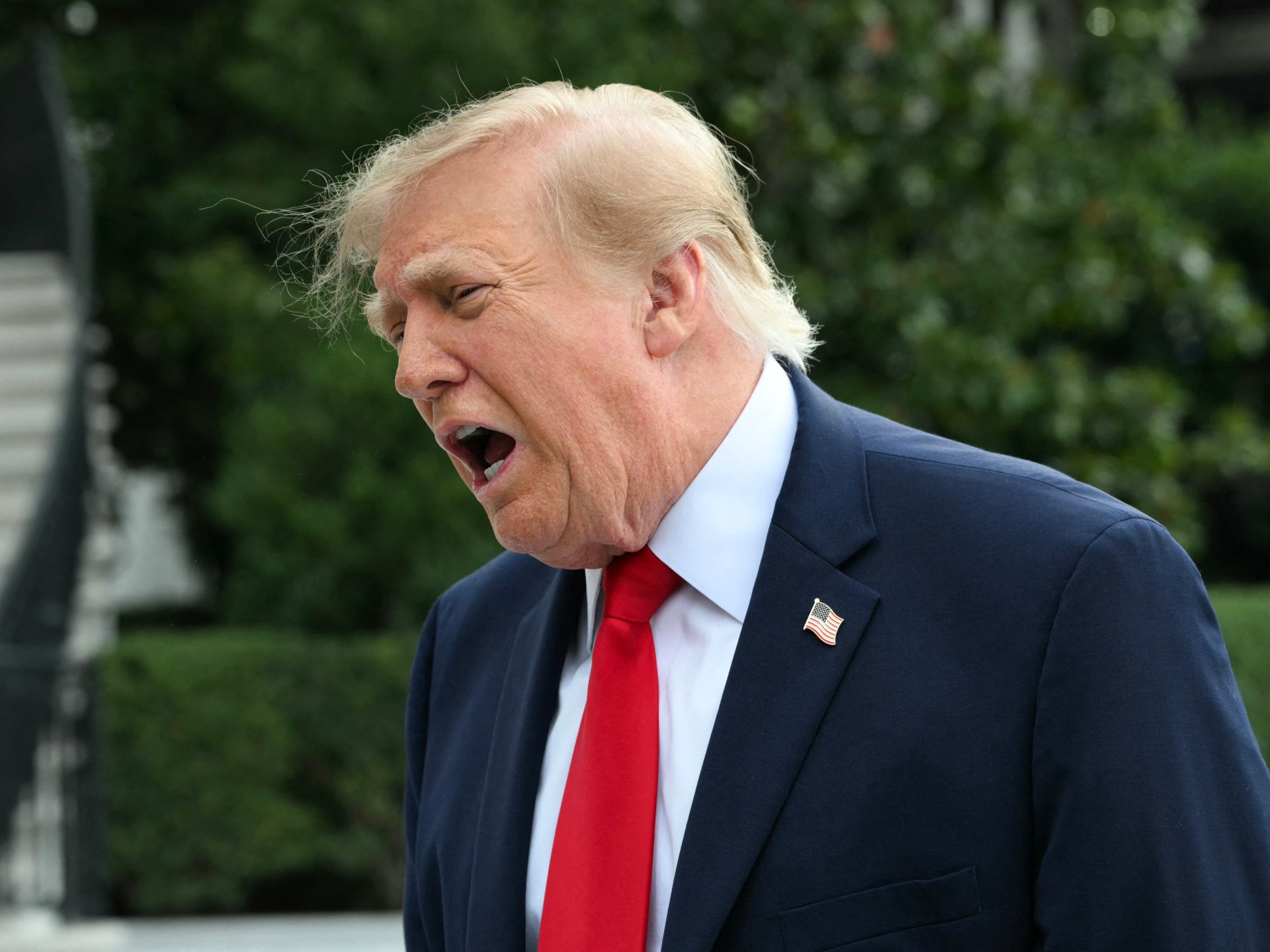
Geopolitical & Core Developments
In a definitive shift that reverberates across global technology capitals, United States President Donald Trump has officially rejected any prospect of combining artificial intelligence initiatives between Washington and Beijing. Dismissing pervasive global anxieties surrounding the existential and security risks of advanced machine intelligence as overblown political maneuvers, the administration has doubled down on an uncompromising posture of technological nationalism. This policy stance effectively closes the door on bilateral cooperation frameworks that international policy analysts had intermittently floated as a means to prevent an uncontrolled intelligence arms race.
The rejection underscores a deepening ideological and strategic schism between the world's two largest economies. Artificial intelligence has rapidly supplanted traditional heavy industry and nuclear capabilities as the paramount frontier of national power. By framing collaborative overtures with skepticism, the White House signals that Washington views technological supremacy not as an area for cooperative governance, but as a zero-sum geopolitical contest. The timeline of this confrontation has accelerated dramatically over recent quarters, marked by reciprocal export bans on advanced semiconductor manufacturing equipment, tightening restrictions on venture capital investments, and heightened scrutiny over transnational research partnerships.
Global Trade & Economic Ripples
The outright refusal to harmonize artificial intelligence frameworks with China carries profound ramifications for global trade networks, advanced manufacturing supply chains, and commodity pricing structures. The semiconductor ecosystem—the physical bedrock of the artificial intelligence revolution—remains acutely vulnerable to policy fragmentation. Essential rare earth elements, specialized gases, and high-purity silicon inputs originating from China face the looming threat of retaliatory export controls. Meanwhile, multinational technology conglomerates are increasingly forced to decouple their supply chains, duplicating research and development expenditures to maintain parallel operational environments for Western and Asian markets.
Energy markets are similarly entwined with these geopolitical developments. The exponential power consumption demanded by next-generation data centers and large language model training clusters has linked artificial intelligence directly to global energy pricing, grid infrastructure investments, and liquefied natural gas demand. As Washington and Beijing pursue independent technological ecosystems, capital expenditure is bifurcating. This divergence risks creating pricing inefficiencies and supply bottlenecks for critical industrial inputs, directly impacting shipping lanes across the Indo-Pacific and altering currency valuations as foreign exchange markets price in heightened systemic trade friction.
Related Intelligence: Venezuela Accords Set Stage for Judicial Overhaul and Energy Realignment
International Reactions & Diplomatic Stances
Global reaction to the rejection of joint artificial intelligence efforts has been swift and deeply polarized. European Union trade and technology officials have expressed cautious concern, warning that a complete decoupling of artificial intelligence standards could result in fragmented regulatory regimes that complicate compliance for multinational enterprises operating across multiple continents. multilateral bodies, including specialized committees within the United Nations, have reiterated calls for universal safety frameworks, arguing that unilateral national strategies fail to address the cross-border externalities of autonomous systems.
Conversely, defense establishments and domestic market analysts in both the United States and allied nations have largely welcomed the clarity, viewing a hardline stance as essential to protecting intellectual property and national security. Industry observers note that while cooperative safety standards would theoretically reduce catastrophic technological risks, the deep mistrust characterizing contemporary US-China relations makes verifiable bilateral verification virtually impossible under current diplomatic conditions.
Strategic Outlook & Future Scenarios
Looking toward the medium-term horizon, the trajectory of US-China relations regarding advanced technology points toward intensified competition rather than rapprochement. Upcoming bilateral summits and international trade negotiations are expected to feature aggressive posturing, with both superpowers utilizing economic coercion and market access as diplomatic leverage. Observers anticipate a new wave of targeted sanctions, expanded entity lists, and intensified scrutiny over foreign investments in artificial intelligence startups.
Ultimately, this definitive rejection sets the stage for a bipolar global technological order. Nations across the Global South and secondary economic powers will increasingly face difficult diplomatic choices, forced to navigate divergent technology ecosystems, incompatible infrastructure standards, and competing digital governance models. The economic cost of this fragmentation will likely manifest in higher operational expenses, slower standardization processes, and persistent geopolitical volatility across global commodity and technology markets.
Join Our Official WhatsApp Channel
Receive live commodity alerts, policy changes, and commercial intelligence directly on WhatsApp.