
Bangkok Flood Crisis Threatens Regional Supply Chains and Logistics
Bangkok's declaration as a flood disaster zone following torrential downpours threatens critical manufacturing hubs, regional supply chains, and international trade logistics across Southeast Asia.
Geopolitical & Core Developments
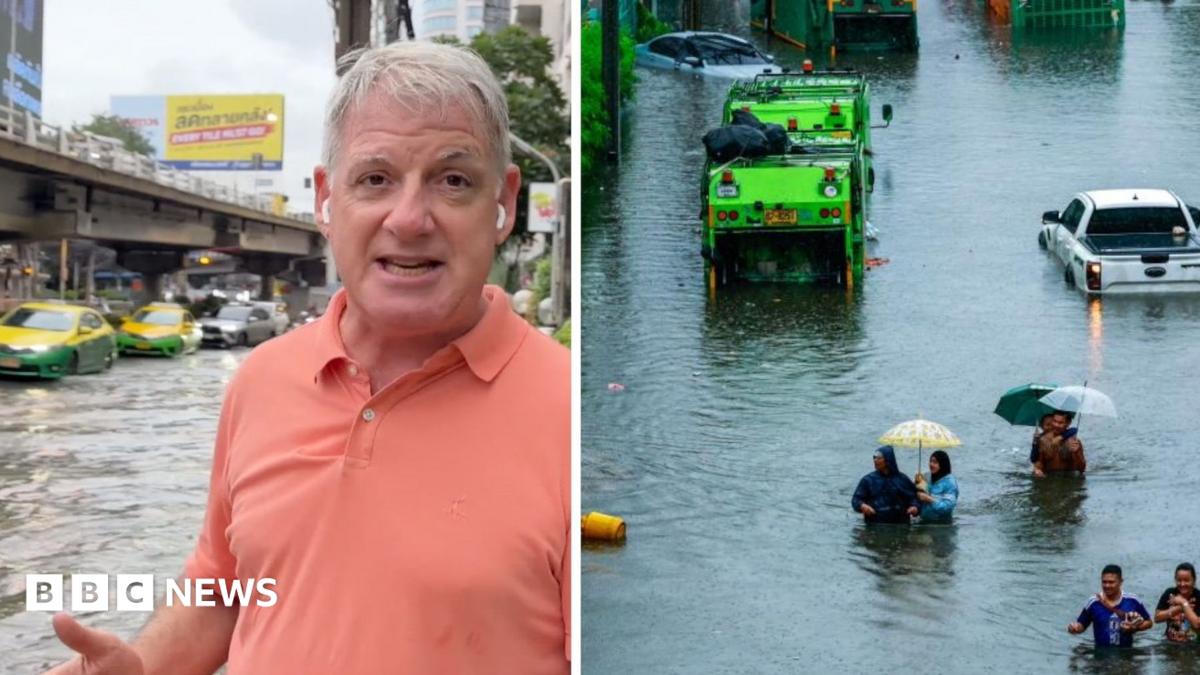
The Bangkok Metropolitan Administration has officially declared the Thai capital and its surrounding provinces a flood disaster zone following two consecutive days of torrential downpours that completely overwhelmed the city's aging drainage and canal infrastructure. Meteorological agencies report that precipitation levels over the past forty-eight hours have exceeded historical monthly averages, pushing the Chao Phraya River to critical thresholds. The Thai government has mobilized the Royal Thai Army and disaster mitigation units to deploy industrial-grade water pumps, construct emergency levees, and evacuate vulnerable residential districts.
While urban flooding is a recurring challenge during Southeast Asia's monsoon season, the unprecedented velocity and volume of the current weather system have exposed severe structural vulnerabilities in the capital's flood management architecture. State actors across the Association of Southeast Asian Nations (ASEAN) are closely monitoring the situation as emergency command centers coordinate real-time defense measures to protect critical government installations, international diplomatic missions, and core transport arteries.
Global Trade & Economic Ripples
Beyond the immediate humanitarian concerns, the paralyzing of Bangkok's infrastructure carries profound implications for global commodity markets and international supply chains. Greater Bangkok serves as the primary logistical conduit for Thailand's manufacturing sector, acting as a pivotal node for the global electronics, automotive assembly, and agricultural export industries. Key industrial estates situated on the periphery of the metropolitan area report localized flooding that threatens component warehousing and assembly line operations.
International shipping lanes along the Chao Phraya River estuary are experiencing operational delays as commercial vessel movements face strict navigation advisories. Commodity analysts warn that prolonged inundation of export terminals could create severe bottlenecks in global semiconductor packaging, hard disk drive manufacturing, and processed food distribution. Insurance markets are simultaneously repricing flood risk premiums for multinational corporations operating within the Indochina peninsula, while regional currency markets note marginal volatility in the Thai baht as foreign investors assess the macroeconomic toll of infrastructure damage and emergency fiscal expenditures.
Related Intelligence: Kratom Crisis Prompts Global Scrutiny Over Export Markets and Public Health
International Reactions & Diplomatic Stances
Global financial institutions and multilateral bodies have expressed deep concern over the unfolding crisis. The Asian Development Bank (ADB) released a preliminary assessment offering technical assistance and emergency credit facilities to support structural rehabilitation. Diplomatic missions from major trading partners, including the United States, Japan, and the European Union, have issued travel advisories while offering specialized disaster relief coordination.
Market analysts and credit rating agencies emphasize that the economic fallout will depend heavily on the efficiency of the government's drainage operations over the coming week. Foreign chambers of commerce have urged swift intervention to safeguard supply chain continuity, noting that international investors are increasingly prioritizing climate resilience and infrastructural redundancy when evaluating Southeast Asian manufacturing hubs.
Strategic Outlook & Future Scenarios
As meteorological forecasts project sustained heavy rainfall over the weekend, the immediate trajectory hinges on the structural integrity of Bangkok's flood defenses and upstream dam management. A prolonged crisis risks cascading delays through international logistics networks, forcing global manufacturers to activate contingency inventory buffers and reroute shipments through alternative regional ports in Vietnam and Malaysia.
Looking ahead, the disaster is expected to accelerate national and regional policy debates regarding climate adaptation funding, urban planning reform, and infrastructural investment. Upcoming ASEAN economic ministerial summits will likely place climate resilience and supply chain hardening at the forefront of regional integration agendas, as extreme weather events increasingly threaten global trade stability.
Join Our Official WhatsApp Channel
Receive live commodity alerts, policy changes, and commercial intelligence directly on WhatsApp.