
Severe Nor'easter Paralyses US Eastern Seaboard, Triggering States of Emergency
A powerful Nor'easter has triggered states of emergency across New York and New Jersey, threatening tens of millions of residents from Maine to Virginia with severe coastal flooding and infrastructure disruptions.
Geopolitical & Core Developments
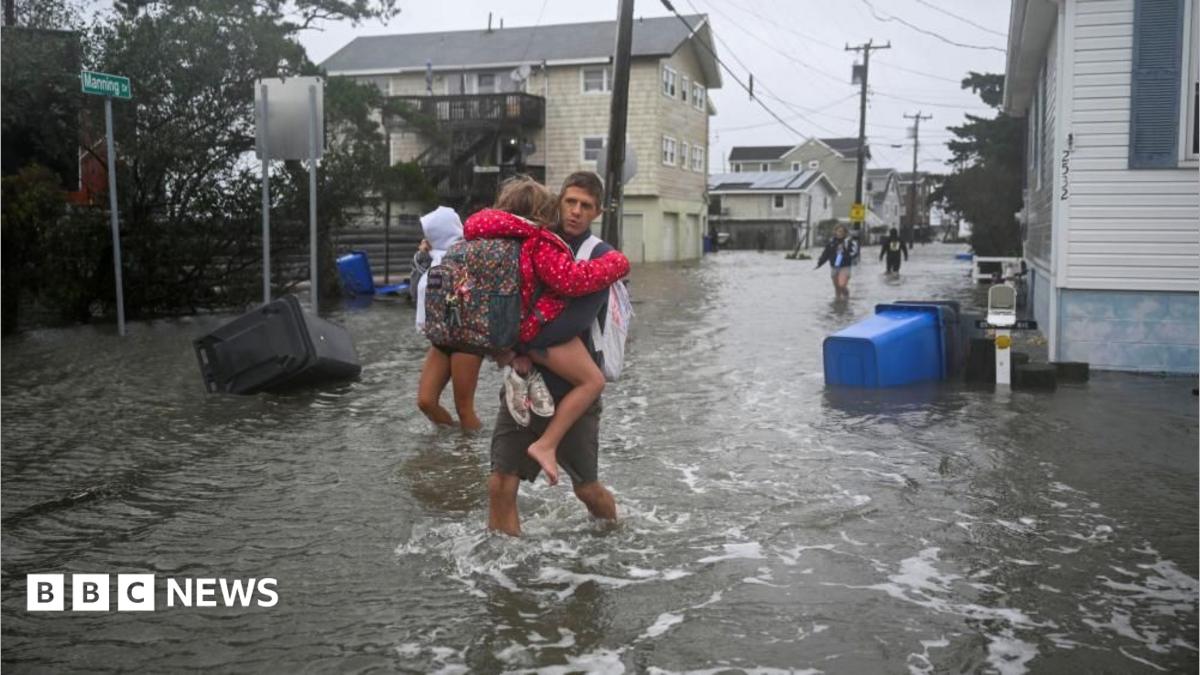
A ferocious Nor'easter has slammed into the United States Eastern Seaboard, prompting governors in New York and New Jersey to declare states of emergency as tens of millions of citizens face severe weather conditions. Stretching from Maine down to Virginia, the meteorological system is characterized by torrential rainfall, hurricane-force wind gusts, and rapidly rising storm surges that have begun inundating coastal municipalities. State and municipal authorities have mobilized emergency response units, deployed national guard contingents, and instituted travel restrictions to mitigate loss of life and property damage.
The timing of this meteorological event highlights the increasing vulnerability of critical urban infrastructure along the Atlantic corridor. Climate resilience policies and coastal defense mechanisms have been thrust back to the forefront of domestic political discourse, while federal agencies coordinate disaster relief frameworks with state-level actors. The storm's trajectory underscores the persistent challenges faced by municipal governments in securing aging seawalls, subterranean transit networks, and electrical grids against intensifying meteorological phenomena.
Global Trade & Economic Ripples
Beyond the immediate humanitarian concerns, the severe weather event has sent ripples through domestic and international supply chains. Major container ports in the Port of New York and New Jersey, alongside regional shipping terminals, have experienced temporary operational suspensions and berthing delays. These logjam effects threaten to disrupt JIT (just-in-time) inventory schedules for global manufactured goods, consumer electronics, and agricultural commodities entering North American markets through northeastern maritime gateways.
Furthermore, regional energy markets face immediate pricing volatility and distribution bottlenecks. Refineries, fuel storage terminals, and electrical transmission networks across the Mid-Atlantic and Northeast are operating under contingency protocols. Temporary refinery throughput reductions and localized power outages have exerted upward pressure on spot prices for heating oil and refined petroleum products, while insurance markets brace for multi-billion dollar claims stemming from property damage and business interruption losses.
Related Intelligence: Escalating Strikes Undermine UAE Ceasefire Push as Energy Markets Quake
International Reactions & Diplomatic Stances
International commodity markets and foreign trade partners are closely monitoring the operational status of American eastern seaboard logistics hubs. Foreign diplomatic missions in Washington and New York have issued travel advisories for their respective expatriate communities, while multilateral economic organizations evaluate the broader macroeconomic implications of weather-induced trade friction.
Market analysts and risk assessment agencies have underscored the vulnerability of global financial centers situated within the impact zone. International reinsurance firms have initiated preliminary damage assessments, anticipating that the catastrophe will influence upcoming quarterly catastrophe bond yields and property-casualty premium structures globally. Economic planners note that systemic shocks of this magnitude reinforce the imperative for diversified supply chain architecture and robust infrastructure investment across major industrial economies.
Strategic Outlook & Future Scenarios
As the Nor'easter gradually tracks offshore, recovery operations will transition into long-term infrastructure rehabilitation. The incident is expected to accelerate legislative debates regarding federal funding allocations for climate adaptation, resilient civil engineering projects, and modernizing coastal defense grids. Policymakers are slated to review emergency preparedness protocols ahead of upcoming international climate and disaster risk reduction summits.
In the medium term, commercial shippers and logistics operators are likely to accelerate contingency planning, potentially diversifying entry ports to mitigate future weather-related bottlenecks along the Atlantic seaboard. Insurance underwriters will likely re-evaluate risk pricing models for coastal commercial real estate, signaling tighter capital requirements and higher deductibles for businesses operating within vulnerable flood zones.
Join Our Official WhatsApp Channel
Receive live commodity alerts, policy changes, and commercial intelligence directly on WhatsApp.