
Kratom Crisis Prompts Global Scrutiny Over Export Markets and Public Health
Surging US regulatory concerns over the herbal supplement kratom threaten to disrupt transnational agricultural supply chains and trigger stringent export controls across Southeast Asia.
Geopolitical & Core Developments
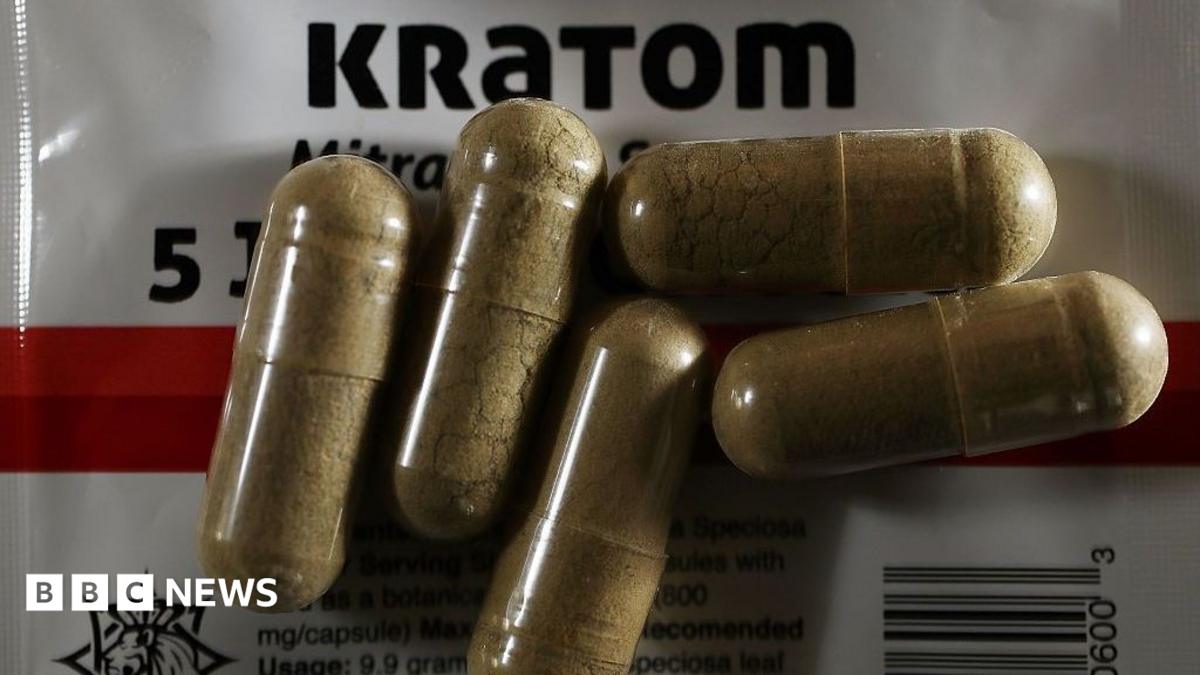
The rising prominence of kratom within United States regulatory discussions has transformed a domestic public health concern into a complex international trade and diplomatic issue. Originating primarily from the tropical rainforests of Southeast Asia, particularly Indonesia and Malaysia, Mitragyna speciosa has been harvested for centuries as a traditional stimulant and medicinal leaf. However, its commercialization in Western markets over the past decade has outpaced regulatory frameworks, leading to acute diplomatic friction between consumer nations and producer states.
Recent investigations by US federal and state authorities into the overdose deaths of college students linked to adulterated or high-potency kratom products have accelerated calls for federal scheduling or import bans. This domestic pressure places foreign policy and trade enforcement agencies in a delicate position. Diplomatic channels between Washington and Jakarta are increasingly utilized to discuss the informal agricultural pipelines through which raw leaf material is harvested, pulverized, and shipped internationally, often circumventing rigorous phytosanitary and pharmaceutical oversight.
Global Trade & Economic Ripples
The unfolding kratom controversy carries substantial commercial implications for rural agricultural economies in Southeast Asia, where thousands of smallholder farmers rely on the export crop for their primary livelihood. While multinational energy markets and major shipping lanes remain unaffected, the specialized niche of herbal botanicals and alternative wellness commodities faces a profound structural shock. If major import markets such as the United States or the European Union implement strict bans or mandatory testing regimes, billions of dollars in undocumented and semi-regulated trade could be forced underground or eradicated entirely.
Supply chain integrity has emerged as a central vulnerability. The global distribution network relies heavily on decentralized third-party vendors who export raw powder or liquid extracts via standard air and maritime freight services. Increased border inspections, customs seizures, and potential import embargoes threaten to strand capital, disrupt logistics operators specializing in botanical cargo, and deflate commodity prices within producer regions. Consequently, local governments are forced to weigh the immediate economic benefits of export revenues against the long-term risks of international trade sanctions and reputational damage.
Related Intelligence: Bangladesh Redraws Foreign Policy After Historic Uprisings
International Reactions & Diplomatic Stances
Multilateral bodies, including the World Health Organization (WHO) and the United Nations Office on Drugs and Crime (ODRC), are closely monitoring the trans-Pacific trade of psychoactive botanicals. While kratom has not yet been subjected to global narcotics control treaties, international health analysts note a growing consensus regarding the need for standardized safety assessments. Several destination governments have already enacted total prohibitions, classifying the substance alongside illicit synthetic narcotics, whereas others permit regulated distribution pending further toxicological data.
Market analysts at prominent financial institutions emphasize that the lack of harmonization in international drug and dietary supplement laws creates significant regulatory arbitrage. Producers often exploit legal loopholes in source countries by exporting products labeled as incense or botanical specimens to bypass destination-country health checks. In response, trade associations representing legitimate agricultural exporters are lobbying for self-regulation and certification standards to differentiate high-grade traditional leaf exports from dangerous, adulterated synthetic mixtures flooding the grey market.
Strategic Outlook & Future Scenarios
Looking ahead, the trajectory of the global kratom trade will likely be dictated by upcoming bilateral trade negotiations and health summits between the United States and Southeast Asian exporting nations. If the US Food and Drug Administration moves to classify kratom active alkaloids as controlled substances, exporting nations will face severe economic contraction in their rural sectors unless alternative agricultural diversification programs are successfully implemented.
Geopolitical escalation points may emerge if destination countries impose unilateral trade restrictions or tariff penalties on nations perceived as lax in regulating illicit or dangerous botanical exports. Conversely, a cooperative multilateral approach focusing on Good Manufacturing Practices (GMP) and transparent supply chain tracing could establish a new precedent for the international trade of psychoactive and medicinal plants, balancing public safety with sustainable economic development.
Join Our Official WhatsApp Channel
Receive live commodity alerts, policy changes, and commercial intelligence directly on WhatsApp.