
Vatican Affirms Papal Recovery Following Successful Pulmonary Surgery in Rome
Medical specialists have confirmed that the head of the Catholic Church requires no further therapeutic intervention following a successful surgical procedure to excise a lung lobe in Rome.
Geopolitical & Core Developments
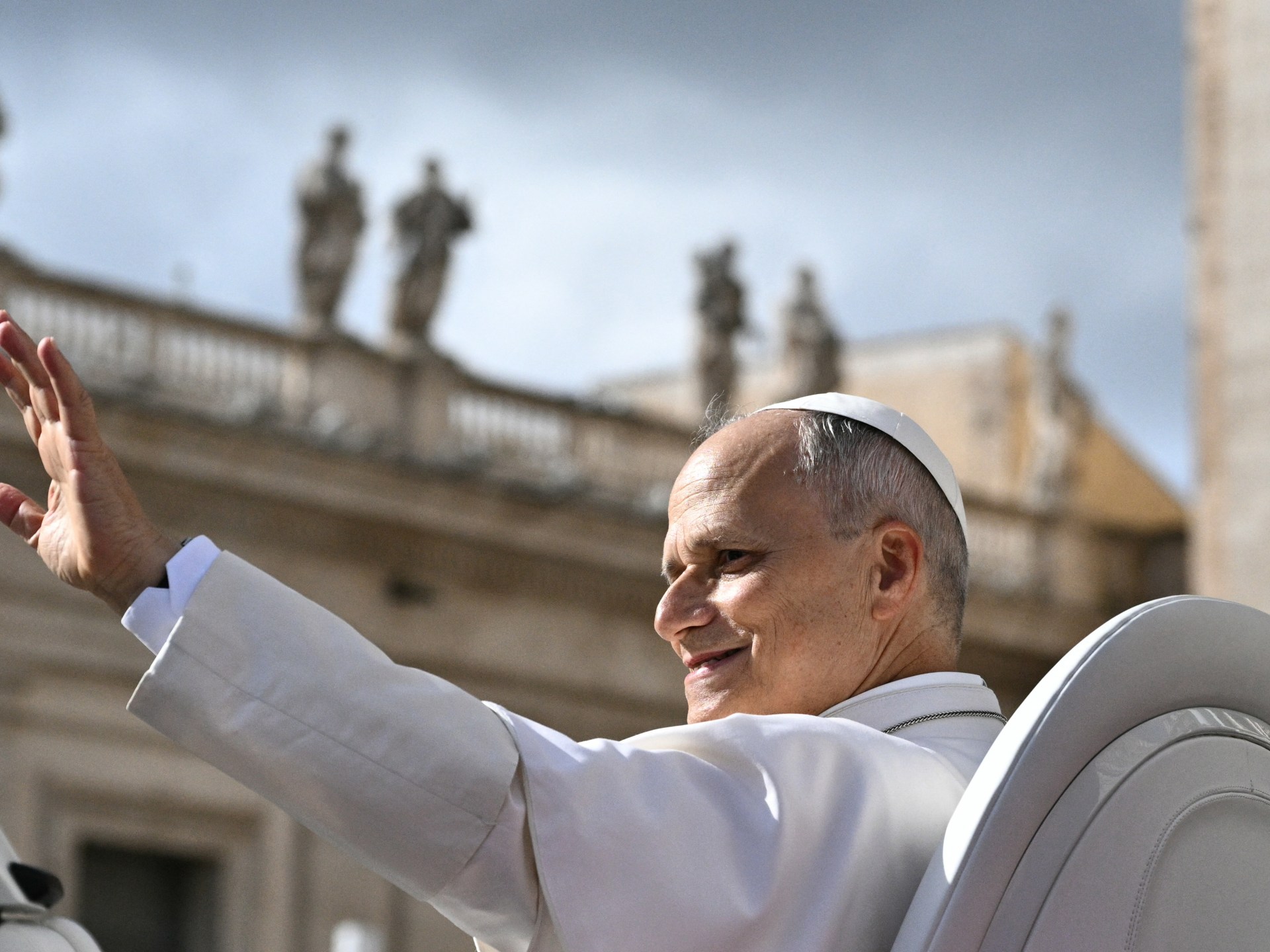
The Holy See Press Office confirmed on Monday that the 71-year-old leader of the Roman Catholic Church requires no additional oncological treatment following a major surgical intervention. The operation, conducted at Rome's Gemelli University Hospital, involved the surgical excision of the lower lobe of his right lung. Chief medical officers indicated that the targeted tissue was entirely removed and subsequent histopathological evaluations confirmed clear margins, obviating the necessity for adjuvant chemotherapy or radiation therapy.
The health of the sovereign of Vatican City is an issue of critical international relevance, intersecting sovereign statecraft, religious administration, and multilateral diplomacy. The Holy See maintains full bilateral diplomatic relations with 184 states and holds permanent observer status at the United Nations. A sudden leadership vacuum or prolonged administrative incapacity at the Apostolic Palace introduces delicate succession deliberations within the College of Cardinals, potentially destabilizing international diplomatic mediation efforts currently overseen by the Secretariat of State.
Global Trade & Economic Ripples
While the health of the Papacy does not directly correlate with hydrocarbon pricing or bulk commodity movements, institutional financial dynamics closely observe Holy See stability. The Administration of the Patrimony of the Apostolic See (APSA) and the Institute for the Works of Religion (IOR) manage multi-billion-euro investment portfolios, sovereign bonds, and extensive real estate holdings across Europe and North America. Confirmation of a definitive medical recovery provides immediate operational continuity for these institutional funds.
Furthermore, Catholic charitable organizations, such as Caritas Internationalis, coordinate relief logistics and critical food security corridors across sub-Saharan Africa, Latin America, and the Middle East. Administrative clarity within the central curia ensures unimpeded procurement pipelines for international humanitarian aid, preventing disruption in cross-border relief contracts, localized logistics networks, and sovereign-backed development partnerships dependent on Vatican co-guarantees.
Related Intelligence: Severe Indonesian Peat Fires Threaten Agricultural Supply Chains and Climate Targets
International Reactions & Diplomatic Stances
Official communiques expressing support and relief arrived swiftly from international capitals and multilateral leadership. United Nations Secretary-General envoys commended the positive prognosis, emphasizing the Holy See's persistent advocacy for global peace architectures and climate mitigation initiatives. European Union leaders in Brussels acknowledged the development, underscoring the Pope's pivotal role in regional stability dialogues.
Diplomatic corps accredited to the Holy See reported normal operational engagement across embassies in Rome. Strategic analysts noted that the clarity provided by the medical bulletin halted premature speculation concerning papal governance transition, enabling ongoing backchannel diplomatic mediation in Eastern Europe and Central Africa to proceed without administrative renegotiation or structural delays.
Strategic Outlook & Future Scenarios
The immediate outlook suggests a phased return to bilateral audiences and administrative state functions, with medical advisors recommending a calibrated convalescence period before the resumption of intercontinental travel. Scheduled participation in high-level international delegations and global environmental forums will likely undergo rigorous physical risk assessments by Vatican logistics planners.
In the medium term, this episode places renews analytical focus on curial reform and the constitutional framework governing papal infirmity. Observers anticipate that the Pope may accelerate key institutional appointments within the Roman Curia to reinforce institutional resilience. Diplomatic partners will closely monitor the upcoming schedule of bilateral state visits, utilizing the stabilized health trajectory to reaffirm multilateral treaties, humanitarian accords, and interfaith diplomatic compacts globally.
Join Our Official WhatsApp Channel
Receive live commodity alerts, policy changes, and commercial intelligence directly on WhatsApp.