
Pope Francis Cleared of Further Treatment Following Localised Lung Surgery
Vatican medical authorities confirmed Pope Francis requires no further treatment after histology confirmed his excised lung cancer was completely localised.
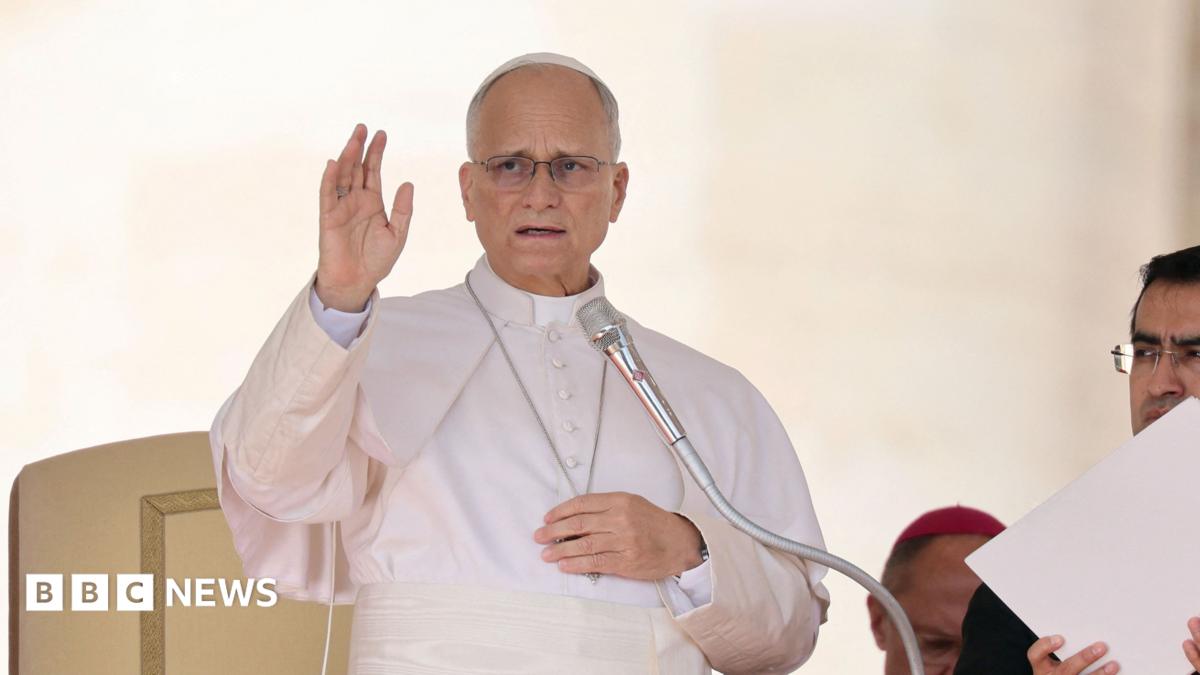
Geopolitical & Core Developments
The Holy See Press Office confirmed that Pope Francis will not require adjuvant oncology therapies following successful thoracic surgery to resect a pulmonary lesion. Histological analysis conducted at the Agostino Gemelli University Policlinic confirmed the pathology as an early-stage, localised lung adenocarcinoma. Because the malignant cells were completely contained within the excised tissue and showed no evidence of systemic vascular or lymphatic spread, medical teams determined that targeted chemotherapy or radiation protocols are unnecessary.
The health of the sovereign of Vatican City carries substantial geopolitical implications. At 88, Pope Francis commands profound moral and diplomatic influence over 1.38 billion Roman Catholics globally, functioning as an independent diplomatic entity with formal relations with over 180 sovereign states. The prompt resolution of his surgical procedure averts immediate constitutional crises within the Curia and forestalls speculative pre-conclave maneuvering among the College of Cardinals. The Holy See's active mediation tracks—including quiet diplomacy regarding humanitarian corridors in Eastern Europe, prisoner-of-war exchanges between Moscow and Kyiv, and backchannel dialogue across the Levant—remain securely under current papal leadership.
Global Trade & Economic Ripples
While the direct operational footprint of Vatican City on primary commodity flows is modest, institutional stability within the Holy See provides tangible psychological grounding for global humanitarian logistics and capital allocations. Faith-aligned sovereign development funds, church-affiliated healthcare networks, and cross-border charitable conduits oversee capital flows estimated in the tens of billions of dollars annually. Institutional clarity ensures that procurement programs across sub-Saharan Africa, Latin America, and South Asia face no administrative interruptions or budgetary freezes.
Furthermore, sovereign risk indicators across Southern Europe remain closely tied to regional institutional stability. Sovereign debt auctions in Rome and broader euro-denominated municipal debt markets consistently price in sociopolitical continuity. Italy's tourism and pilgrimage-driven hospitality sectors, heavily anchored by the 2025 Jubilee celebrations in Rome, faced potential commercial disruptions had the pontiff faced an extended incapacitation. The medical clearance protects an estimated multibillion-euro economic influx tied to international transit, aviation demand, hospitality services, and municipal infrastructure investments linked to the Jubilee calendar.
Related Intelligence: Iran Rebuffs Western Nuclear Proposals as Regional War Risks Escalate
International Reactions & Diplomatic Stances
World capitals responded swiftly to the Holy See's clinical bulletin. Italian Prime Minister Giorgia Meloni issued an official communique expressing relief and affirming Italy's sustained operational cooperation with the Vatican's diplomatic apparatus. Across the Atlantic, the United States Department of State and the European External Action Service welcomed the positive prognosis, underscoring the pontiff's role as a moderating voice in international multilateralism.
Multilateral bodies, including the United Nations Secretariat and the World Health Organization, formally acknowledged the medical update. UN representatives reiterated the indispensability of papal advocacy regarding international migration frameworks, debt relief mechanisms for distressed Global South economies, and environmental sustainability pledges ahead of upcoming climate summits. International market analysts and public health observers noted that the transparent disclosure of the localised adenocarcinoma reflects a modernised communications doctrine designed to mitigate institutional turbulence.
Strategic Outlook & Future Scenarios
The successful surgical intervention allows Pope Francis to resume his strategic domestic and international agenda, albeit under modified physical regimens designed to prevent respiratory fatigue. Vatican schedule coordinators indicate that preparations for major diplomatic audiences, apostolic visits, and multilateral encyclical deliveries will proceed as calibrated, though long-haul transcontinental itineraries may face consolidation.
Looking ahead, the Vatican's diplomatic priority remains centered on preserving humanitarian access amid fractured global supply chains and intensifying regional warfare. With the pontiff's immediate physical health stabilized, the Holy See will accelerate high-level preparations for the 2025 Jubilee, a year-long event anticipated to draw over 30 million visitors to Rome. Concurrently, the College of Cardinals will maintain routine governance, ensuring that long-term structural reforms within the Roman Curia and the internationalisation of the church's financial assets proceed without structural hiatus. Geopolitical attention now pivots back to papal mediation initiatives aimed at stabilizing fractured ceasefires and de-escalating heightened state confrontations across Eurasia.
Join Our Official WhatsApp Channel
Receive live commodity alerts, policy changes, and commercial intelligence directly on WhatsApp.