
US Alleges Canadian Election Interference Amid Deepening Bilateral Trade Rift
Washington has formally accused Canada of foreign electoral interference ahead of the midterms, citing targeted retaliatory tariffs and political messaging, sparking trade and diplomatic friction.
Geopolitical & Core Developments
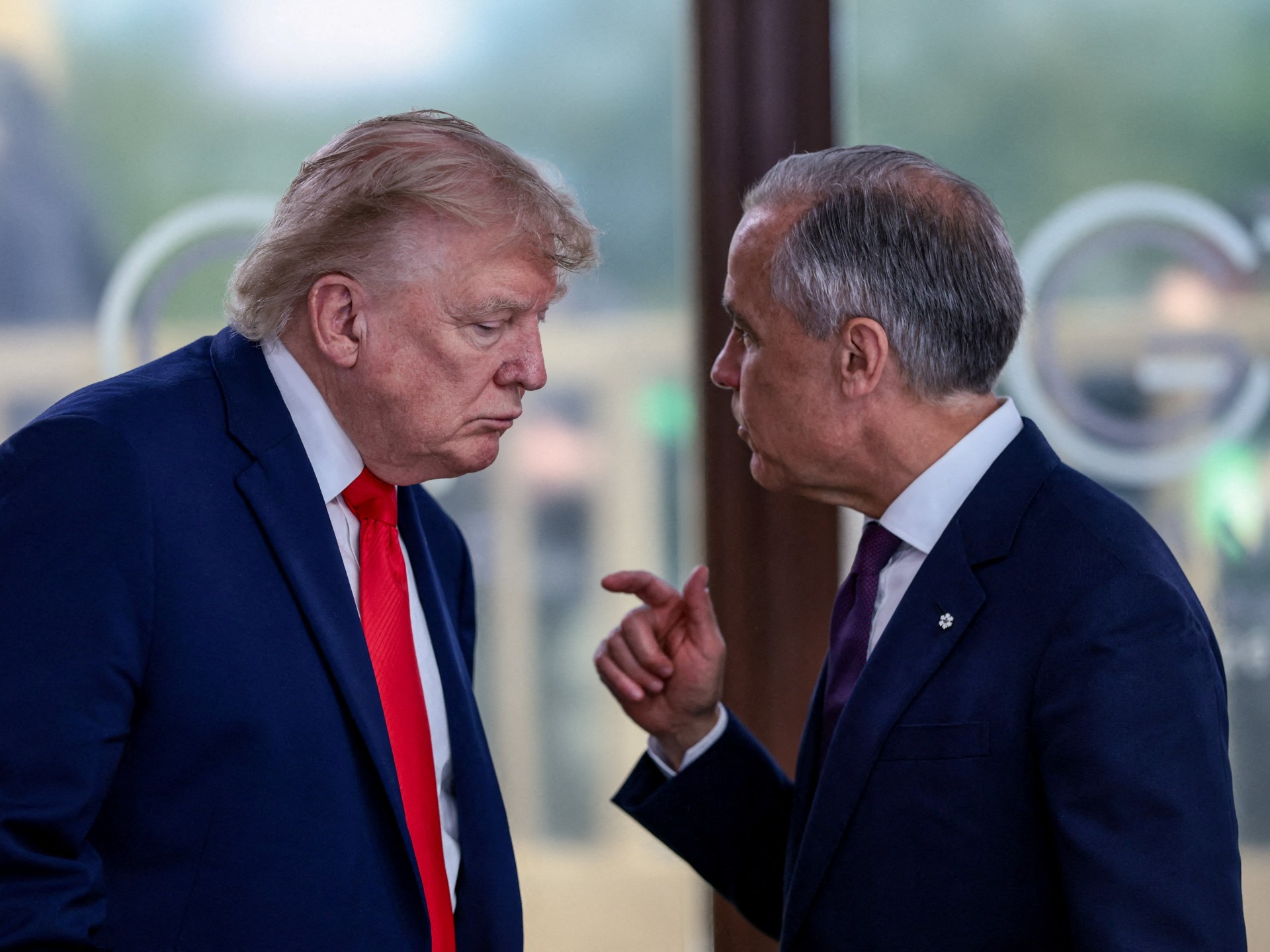
Diplomatic relations between the United States and Canada have entered a volatile phase following formal allegations from Washington accusing Ottawa of systematic election interference ahead of the upcoming U.S. midterm elections. Federal officials in Washington cited a confluence of retaliatory trade measures, high-level diplomatic engagements with opposition figures, and third-party media campaigns critical of former President Donald Trump and Republican platform policies as evidence of an orchestrated effort to sway American voters.
The White House and congressional committees pointed specifically to targeted Canadian tariffs designed to affect key manufacturing and agricultural districts in politically contested swing states. According to U.S. intelligence and trade oversight assessments, the strategic implementation of duties on goods originating from electorally sensitive jurisdictions mirrors coercive economic statecraft. Compounding these trade measures are contentious public diplomacy initiatives and cross-border political meetings held between Canadian ministers and prominent American political leaders, which Washington interprets as a breach of long-standing bilateral non-interference conventions.
Ottawa has vigorously rejected the charges, maintaining that its economic measures are lawful countermeasures consistent with international trade regulations, triggered exclusively by prior American protectionist tariffs on Canadian steel, aluminum, and timber. Canadian officials assert that routine diplomatic exchanges and international media outreach have been conflated with covert electoral manipulation, underscoring an unprecedented breakdown in institutional trust between the two historic allies.
Global Trade & Economic Ripples
The dispute carries immediate and profound ramifications for North American commercial integration and global commodity markets. With more than $2 billion in goods traversing the U.S.-Canada border daily, any weaponization of trade controls or regulatory hurdles threatens deeply integrated cross-border supply chains. The North American automotive corridor, which relies on intermediate components moving multiple times between Ontario, Michigan, and Ohio, faces renewed friction and heightened inventory costs.
Commodity markets have reacted with sensitivity to the deteriorating political climate. Canadian energy exports, including Western Canadian Select crude and pipeline natural gas destined for Midwestern refineries, remain vulnerable to potential administrative delays or retaliatory levies. Agricultural benchmarks, particularly grains, oilseeds, and specialized fertilizer inputs such as potash, face logistical uncertainty if border inspections face tighter security scrutiny. In financial markets, foreign exchange desks have noted downward pressure on the Canadian dollar against the greenback, reflecting trader anxiety over protracted cross-border economic brinkmanship.
Related Intelligence: US Domestic Political Polarization Intensifies Amid Contentious Ohio Campaign Clashes
International Reactions & Diplomatic Stances
The escalation has drawn intense interest from international trade bodies and multilateral institutions. Officials at the World Trade Organization (WTO) have expressed concern that bilateral dispute resolution channels are being subordinated to domestic political grievances, further undermining the multilateral rules-based trading system. Independent trade analysts warn that characterizing economic countermeasures as electoral interference sets a destabilizing precedent that could be replicated in other trade conflicts globally.
Domestically, Canadian business councils and trade associations have urged the federal government to de-escalate the standoff, warning that prolonged friction could permanently undermine Canada's competitiveness under the United States-Mexico-Canada Agreement (USMCA). In Washington, lawmakers remain sharply divided; hardliners demand formal sanctions and tighter border trade controls, while moderate trade representatives warn that penalizing Canada will primarily inflate domestic consumer costs and disrupt vital supply chains during an already fragile macroeconomic environment.
Strategic Outlook & Future Scenarios
The near-term trajectory points toward entrenched geopolitical gridlock until the conclusion of the U.S. electoral cycle. With bilateral review mechanisms under the USMCA approaching, these accusations provide leverage for American policymakers seeking to renegotiate terms or impose additional protectionist safeguards on industrial sectors. If diplomatic channels fail to defuse the rhetoric, secondary disputes could easily spill over into defense cooperation, Arctic governance, and coordinated energy transition strategies.
Industry stakeholders must prepare for increased regulatory friction, heightened compliance audits on cross-border shipments, and ongoing currency fluctuations. Absent a high-level summit to reaffirm non-interference and normalize trade diplomacy, the dispute risks establishing a persistent state of institutional antagonism between two of the world's most interdependent commercial partners.
Join Our Official WhatsApp Channel
Receive live commodity alerts, policy changes, and commercial intelligence directly on WhatsApp.