
Fatal Attack on Saudi King Fahd Airport Sparks Regional Security Concerns
An attack on Saudi Arabia's King Fahd International Airport has left one person dead and eight injured, rattling Gulf aviation security and triggering fresh volatility across global energy markets.
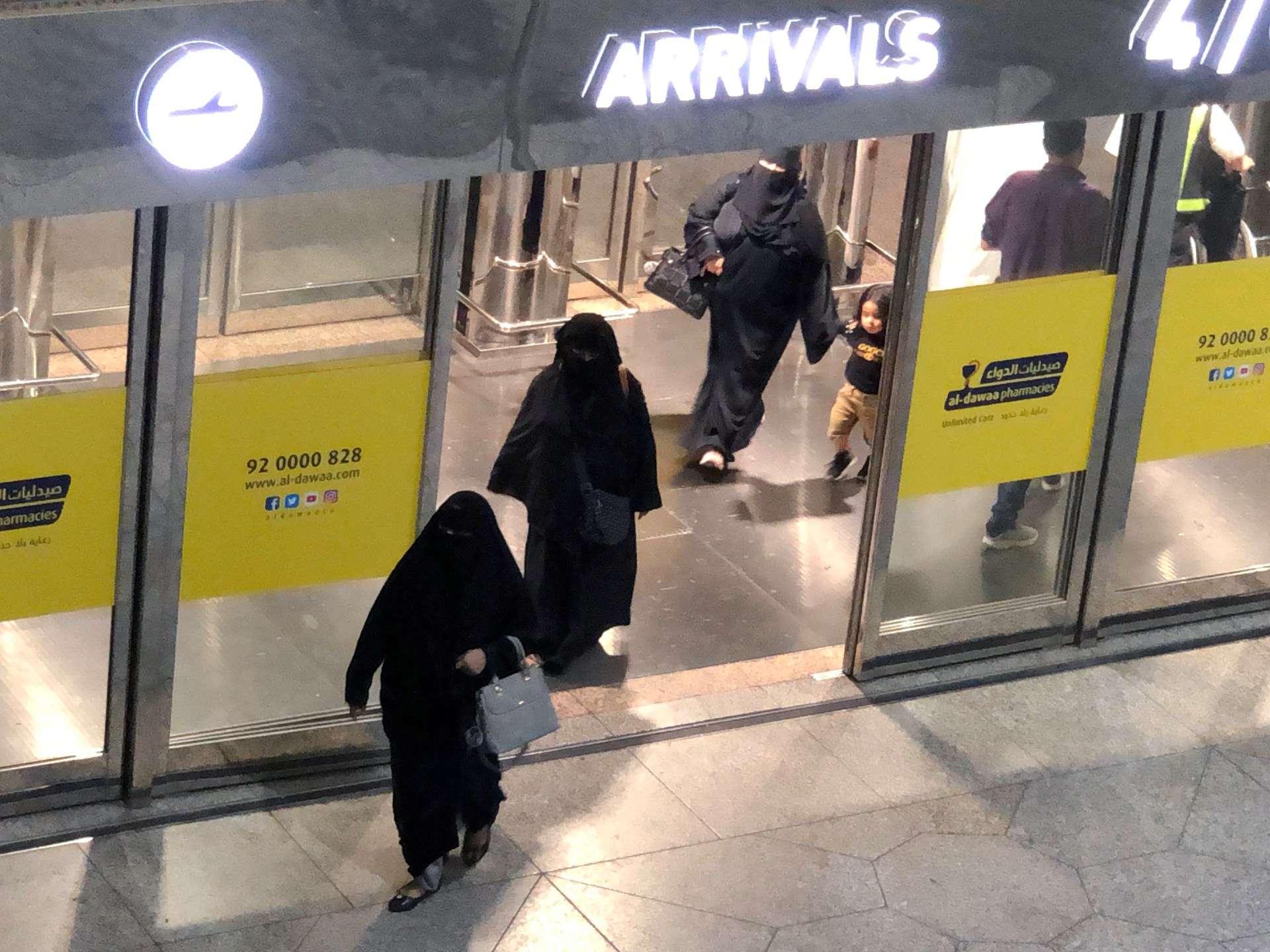
Geopolitical & Core Developments
A critical breach of regional air infrastructure occurred following an armed attack targeting King Fahd International Airport in Saudi Arabia's Eastern Province, leaving one individual dead and at least eight others wounded. Emergency medical teams mobilized immediately to transport the injured to specialized healthcare centers across Dammam, while civil defense and security forces established an expansive cordon around terminal zones and perimeter installations. Saudi Arabia's General Authority of Civil Aviation (GACA) confirmed the casualties and stated that exhaustive technical evaluations are underway, with comprehensive situation reports pending.
The strategic geography of King Fahd International Airport compounds the gravity of the incident. Situated in the oil-rich Eastern Province, the terminal serves as a primary logistical and civilian air transport nexus connecting the Arabian Peninsula's core industrial zones to international financial and manufacturing centers. While authorities have not officially verified the projectile or vector used in the offensive, the operational profile aligns with asymmetric capabilities previously deployed in the region, including weaponized unmanned aerial vehicles (UAVs) and low-altitude ballistic systems. The incident marks a sharp escalation in target selection, crossing traditional defensive thresholds around commercial passenger transit.
Global Trade & Economic Ripples
The immediate consequence for international trade materialized in global maritime and aviation risk pricing. War-risk premiums for civilian flights transiting the Persian Gulf corridor experienced an instantaneous upward adjustment, with international carriers initiating contingency reviews for Middle Eastern flight paths. Extended re-routing over safer airspace will drive fuel consumption and operational costs higher for commercial airlines and air-cargo freight operators already contending with tight logistical margins.
Simultaneously, commodity benchmarks registered immediate ripples. Given the airport's proximity to major crude extraction, refining, and export terminals, Brent crude futures surged as energy traders factored in a heightened risk premium for Middle Eastern critical infrastructure. Physical supply chains across petrochemical and refined products face potential delays if precautionary security alerts slow operations at nearby logistics hubs. Insurance consortia Lloyd's of London and regional underwriters are closely monitoring ground telemetry, with expectations of increased premiums across both marine and terrestrial assets in the Gulf.
Related Intelligence: Severe Indonesian Peat Fires Threaten Agricultural Supply Chains and Climate Targets
International Reactions & Diplomatic Stances
The strike elicited rapid condemnation across global diplomatic circles. Gulf Cooperation Council (GCC) member states issued joint statements characterizing the strike as a flagrant violation of international law and a deliberate endangerment of innocent civilian transit. Bilateral security partners, including Washington, London, and Paris, issued formal communiqués reaffirming their commitment to the defensive integrity of Saudi sovereign territory and condemning asymmetric strikes against civilian infrastructure.
Multilateral monitoring bodies, including the International Civil Aviation Organization (ICAO), emphasized that deliberate strikes against commercial aviation nodes contravene international safety conventions established under the Chicago Convention. Market analysts note that regional de-escalation initiatives, which had made incremental progress over the preceding twelve months, now face immediate structural pressure, as domestic calls for punitive retaliatory measures mount within Riyadh.
Strategic Outlook & Future Scenarios
Moving forward, the operational posture across Saudi air defense networks will inevitably shift toward higher automated interdiction readiness. This increases the likelihood of restricted civilian airspace notices, operational flight delays, and elevated defensive alerts across regional commercial hubs including Riyadh, Jeddah, and the UAE's principal hubs. Security analysts project that Saudi Arabia may request enhanced sensor and counter-UAS interceptor deployments from Western defense partners to fortify critical infrastructure perimeters.
In the medium term, the geopolitical trajectory hinges on formal attribution. If the attack is traced directly to regional proxy networks, it risks derailing delicate diplomatic normalization dialogues across the Middle East. Furthermore, sovereign risk assessments will adjust to account for persistent asymmetric vulnerabilities, influencing international institutional investment decisions and insurance frameworks throughout the Gulf's core transport and energy corridors.
Join Our Official WhatsApp Channel
Receive live commodity alerts, policy changes, and commercial intelligence directly on WhatsApp.