
Severe Indonesian Peat Fires Threaten Agricultural Supply Chains and Climate Targets
Severe peatland blazes across Indonesia have triggered regional health alerts and disrupted agricultural supply chains, challenging ASEAN climate goals and bilateral commodity trade.
Geopolitical & Core Developments
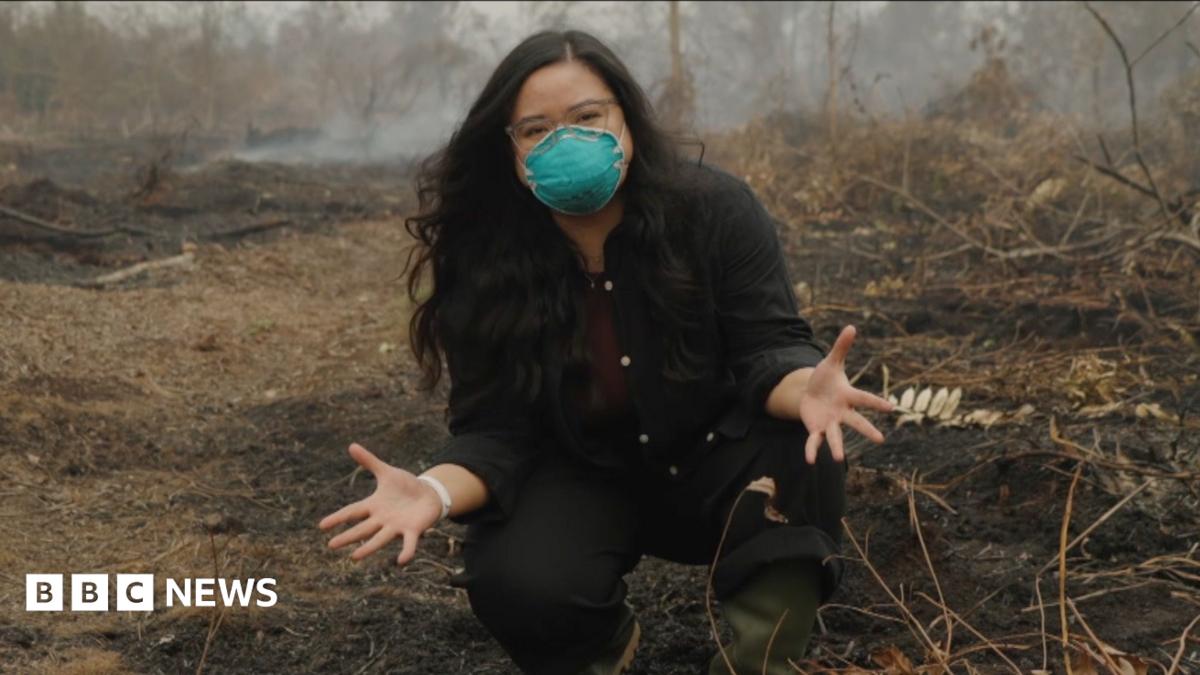
Indonesia is confronting its most devastating wildfire crisis in nearly ten years, driven by prolonged drought conditions linked to cyclical climate patterns and extensive land drainage across Central Kalimantan and Sumatra. The epicenter of the crisis lies within the country's dense peat dome networks—ancient, waterlogged organic soils that store vast reserves of terrestrial carbon. Unlike conventional forest fires that consume surface canopy, peat fires burn subterranean layers at intense temperatures, generating dense, toxic smoke that smolders undetected for months.
Provincial authorities in Central Kalimantan have declared states of emergency as specialized military and civilian firefighting units struggle to inundate the burning organic matter. The geological composition of degraded peatlands complicates containment; decades of canalization by agricultural conglomerates have drained the water table, converting massive wetland sinks into combustible fuel beds. The crisis has swiftly escalated into a cross-border diplomatic concern, as prevailing wind currents push thick transboundary haze across the Malacca Strait toward Singapore and western Malaysia, reigniting historical geopolitical frictions regarding regional environmental stewardship and sovereign resource management.
Global Trade & Economic Ripples
The economic fallout extends directly into critical regional commodity markets and maritime trade arteries. Indonesia stands as the world's largest producer and exporter of palm oil, alongside significant global shares in rubber, pulp, and paper exports. Dense smog layers across plantation belts impair photosynthesis and impede harvesting cycles, sparking concerns over crude palm oil (CPO) yield contraction and subsequent price volatility in benchmark Bursa Malaysia derivatives.
Logistical disruptions have rippled through regional transit corridors. Decreased visibility along the Malacca Strait—a vital international shipping lane accommodating over a quarter of global sea-traded commerce—has forced vessel operators to adopt reduced transit speeds and heightened navigational protocols. Regional aviation has recorded localized cancellations, while cross-border tourism and retail activity in neighboring peninsular hubs face quantifiable downward pressure due to deteriorating air quality indexes.
Related Intelligence: Pakistan and Maldives Deepen Bilateral Defence and Economic Ties in Islamabad
International Reactions & Diplomatic Stances
Multilateral bodies and regional neighbors have voiced increasing concern over the environmental and economic externalities. The Association of Southeast Asian Nations (ASEAN) has placed its Specialized Meteorological Centre on alert, invoking mechanisms under the ASEAN Agreement on Transboundary Haze Pollution to facilitate real-time monitoring and resource deployment. However, diplomatic friction persists regarding the enforcement of corporate liability frameworks across borders.
Environmental envoys from the European Union and the United Nations Framework Convention on Climate Change (UNFCCC) have highlighted the broader implications for international decarbonization benchmarks. Because subterranean peat stores up to ten times more carbon per hectare than mineral soil forests, the unmitigated burn releases gigatons of carbon dioxide directly into the atmosphere, potentially undermining Indonesia's Nationally Determined Contributions (NDCs) under the Paris Agreement. Western trade partners have reiterated calls for stricter compliance with corporate deforestation-free supply chain mandates.
Strategic Outlook & Future Scenarios
In the near term, containment depends heavily on the arrival of regional monsoon patterns and the efficacy of weather-modification operations, including aerial cloud seeding deployed by the Indonesian Air Force. Sustained dry conditions over the coming weeks will likely sustain high commodity risk premiums, driving short-term inflation across global vegetable oil markets.
Over the medium-to-long horizon, the crisis is poised to accelerate regulatory scrutiny surrounding supply chain transparency. Agricultural producers operating in Southeast Asia face amplified pressure from global institutional investors and sovereign import regulators to demonstrate strict adherence to zero-burn and wetland restoration mandates. Failure to stem peat degradation risks triggering retaliatory tariff measures and tightened import barriers under emerging sustainability directives in Western consumer markets.
Join Our Official WhatsApp Channel
Receive live commodity alerts, policy changes, and commercial intelligence directly on WhatsApp.