
US Vice President Vance Declines to Endorse Netanyahu Ahead of Elections
US Vice President JD Vance declined to endorse Israeli Prime Minister Benjamin Netanyahu ahead of crucial national elections, highlighting strategic nuances within the administration's broader Middle East policy agenda.
Geopolitical & Core Developments
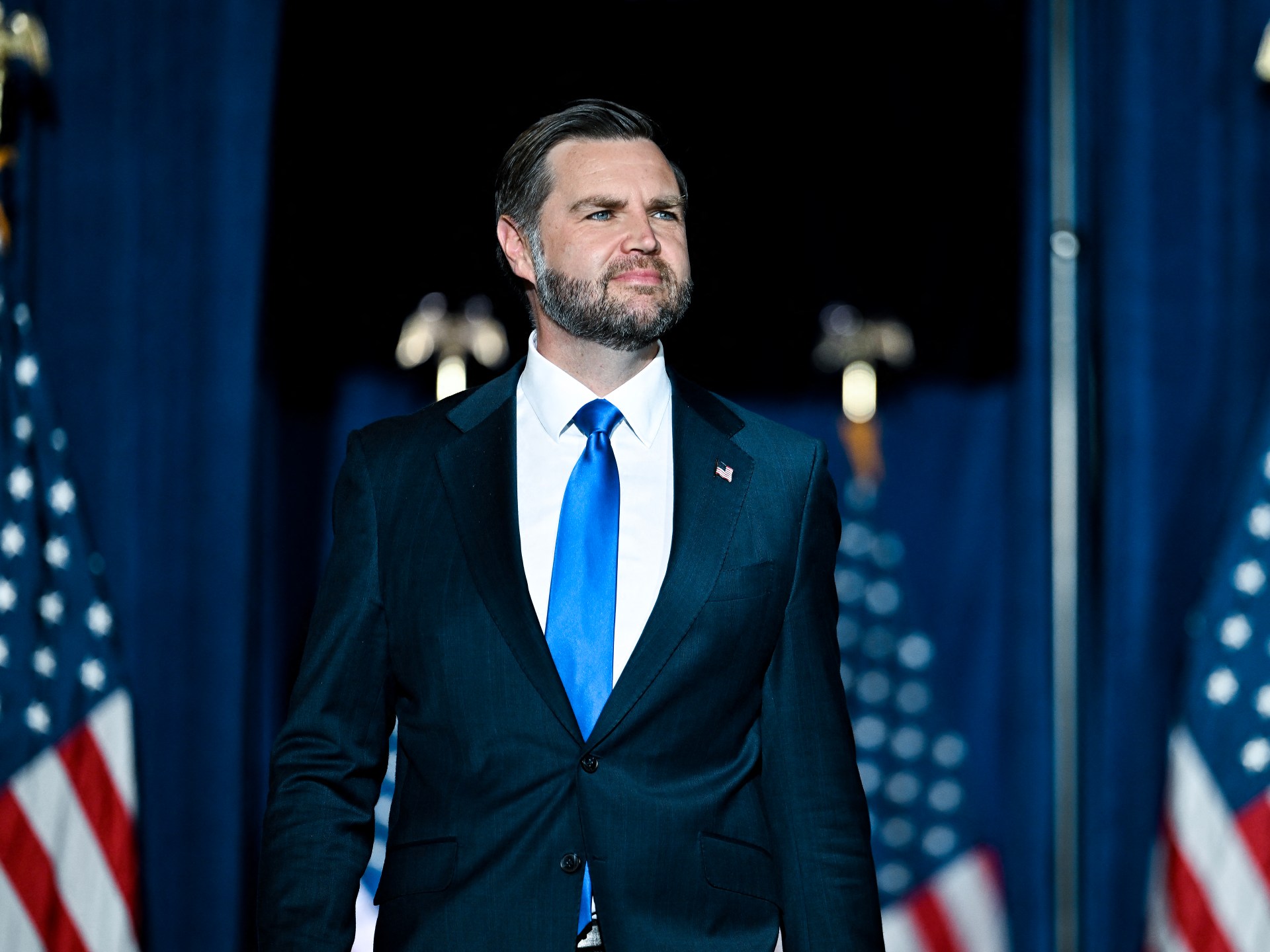
United States Vice President JD Vance has stated that the current administration is 'not getting involved' in domestic electoral endorsements concerning Israeli Prime Minister Benjamin Netanyahu. The comments mark a distinct recalibration of public messaging from Washington, coming on the heels of former President Donald Trump's overt backing of Netanyahu ahead of Israel's pivotal legislative elections.
Vance's deliberate neutrality arrives at a critical juncture for both nations. Bilateral relations between the United States and Israel remain the cornerstone of Western strategic architecture in the Levant. However, Netanyahu's domestic coalition faces severe internal polarization, mounting judicial reform friction, and ongoing regional security challenges across Gaza, Lebanon, and the broader Red Sea corridor. By publicly declining an official endorsement, Vance highlighted a pragmatic foreign policy doctrine that emphasizes national sovereignty while preserving tactical flexibility for the White House regardless of the electoral outcome in Jerusalem.
State Department and National Security Council officials have historically balanced public alignment with Israeli security imperatives against the domestic political dynamics of the Knesset. Vance's statements demonstrate a targeted effort to avoid overt entanglement in another sovereign democracy's electoral process, even as backchannel security coordination and defense assistance remain fundamentally intact.
Global Trade & Economic Ripples
The strategic posture adopted by the United States executive branch carries direct implications for regional stability, maritime trade, and international commodity flows. The Eastern Mediterranean and its adjacent trade routes—most notably the Suez Canal and the Bab el-Mandeb Strait—continue to face acute operational vulnerabilities tied to wider Middle Eastern security dynamics.
Energy markets consistently price in a geopolitical risk premium based on the perceived cohesion of the US-Israel strategic alliance. Any perceived daylight between Washington leadership and Jerusalem introduces uncertainty regarding prospective military action against regional adversaries, notably Iran and affiliated non-state actors. Crude oil benchmarks, including Brent and West Texas Intermediate (WTI), remain sensitive to policy signals indicating whether Washington favors aggressive confrontation or strategic restraint.
Furthermore, global supply chains depend heavily on secure commercial shipping lanes through the Red Sea. Prolonged political volatility in Israel, coupled with evolving diplomatic cues from the White House, affects corporate insurance premiums for commercial freight, tanker routing around the Cape of Good Hope, and downstream shipping costs for European and Asian industrial manufacturers.
Related Intelligence: Russia Backs Iran Amid Rising Middle East Tensions and Energy Windfalls
International Reactions & Diplomatic Stances
Reaction across diplomatic circles has underscored the growing scrutiny surrounding Washington's foreign policy signals. Within Israel, political opposition figures interpreted Vance's remarks as evidence that unconditional political shelter from Washington cannot be taken for granted by any single domestic coalition. In contrast, representatives of the ruling Likud party emphasized the historical bipartisan strength of the US-Israel security compact, reiterating that strategic defense cooperation transcends individual campaign rhetoric.
European Union foreign policy officials and regional Arab partners have monitored the development closely. Middle Eastern capitals, particularly those participating in the Abraham Accords framework, view Washington's restraint as a necessary step to prevent regional diplomacy from becoming hostage to domestic electoral politics. Analysts from leading multilateral policy institutes note that Vance's position aligns with a broader realist trend within American conservative foreign policy circles, prioritizing explicit US national interests over personalized alliance management.
Strategic Outlook & Future Scenarios
The trajectory of US-Israel relations over the coming quarters will be defined by the outcome of Israel's vote and subsequent coalition-building negotiations. Should Netanyahu secure a workable majority, Washington will be tasked with reconciling divergent perspectives on regional security governance, Palestinian administrative stability, and humanitarian coordination.
Conversely, an alternative coalition could prompt a reassessment of defense assistance priorities and diplomatic initiatives across multilateral bodies like the United Nations Security Council. Going forward, international observers will monitor upcoming high-level summits and Congressional appropriations debates to determine whether rhetorical distance translates into tangible shifts in foreign military financing, joint missile defense programs, or coordinated sanction regimes targeting regional destabilizers.
Join Our Official WhatsApp Channel
Receive live commodity alerts, policy changes, and commercial intelligence directly on WhatsApp.