
US Midterm Stakes Reshape Geopolitical Outlook and Global Trade Trajectory
The battle for United States congressional control establishes the legislative parameters for executive power, directly shaping global trade policies, sanctions enforcement, and international market volatility.
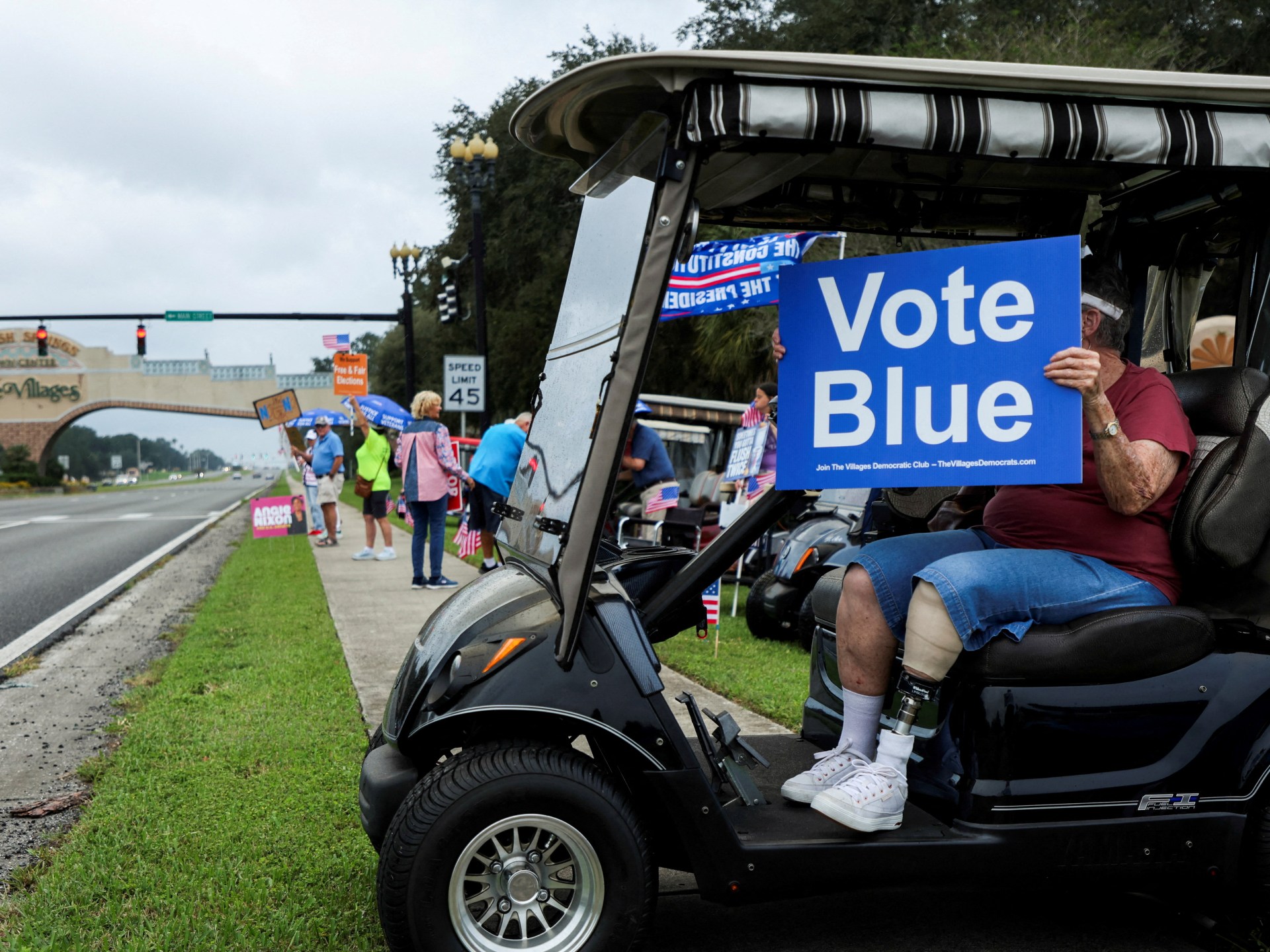
Geopolitical & Core Developments
The United States midterm elections represent a critical juncture for international governance, directly influencing the executive branch's capacity to direct foreign policy, approve trade instruments, and enforce geopolitical strategies. When power balances in the United States Senate and House of Representatives fluctuate, the operational latitude of the presidency contracts or expands across domestic and multilateral frontiers. A divided government historically slows legislative momentum, introducing scrutiny over international security commitments, foreign aid appropriations, and military authorizations.
For major geopolitical blocs, including NATO allies, Indo-Pacific partners, and regional adversaries, congressional composition serves as an indicator of foreign policy longevity. While the United States Constitution grants the executive significant leeway in national security, the legislative branch retains the power of the purse, the authority to approve international treaties, and direct oversight over export controls. Consequently, shifting party majorities can delay defense spending packages, challenge multilateral defense posture, and reposition bilateral diplomatic negotiations, directly influencing regional stability across Eastern Europe, the Middle East, and the Asia-Pacific.
Global Trade & Economic Ripples
International commerce and capital markets respond sharply to United States legislative dynamics, primarily due to prospective shifts in tariff structures, fiscal policies, and corporate tax mandates. A United States administration constrained by an opposition-controlled Congress frequently leans into executive actions, utilizing targeted tariffs, trade investigations, and export restrictions under existing statutory authorities rather than attempting sweeping legislative overhauls.
Global energy markets, bulk commodity supply chains, and shipping channels are particularly exposed. Divergent approaches to domestic energy extraction, strategic reserves, and cross-border clean technology incentives shift long-term projections for crude oil, natural gas, and critical minerals. A shift toward legislative gridlock often strengthens the United States dollar against emerging market currencies as investors seek defensive assets amid policy uncertainty. Concurrently, international manufacturers face elevated regulatory divergence, requiring contingency planning for trade corridors vulnerable to unilateral sanctions or maritime security reassessments.
Related Intelligence: Russia Backs Iran Amid Rising Middle East Tensions and Energy Windfalls
International Reactions & Diplomatic Stances
Global financial centers, international institutions, and foreign ministries maintain strict surveillance over the electoral dynamics in Washington. Market analysts in London, Tokyo, and Frankfurt highlight that legislative gridlock historically moderates extreme fiscal swings, which can stabilize benchmark yields but impede cohesive sovereign debt negotiations and international economic pacts.
Diplomatic bodies across the European Union and the Asia-Pacific regional forums express concern regarding potential policy friction. Multilateral organizations, including the World Trade Organization and United Nations agencies, rely on predictable United States participation to advance global norms in carbon accounting, digital trade standards, and humanitarian aid. When domestic politics polarize Washington, foreign capitals increasingly seek alternative bilateral trade frameworks, reducing over-reliance on United States legislative stability.
Strategic Outlook & Future Scenarios
The forward trajectory of United States governance hinges on whether executive priorities are met with congressional cooperation or protracted oversight battles. In a scenario of divided governance, foreign policy becomes the primary theater of presidential initiative, likely manifesting in heightened scrutiny on strategic competitors and unilateral enforcement of technology transfer bans.
Conversely, unified legislative control typically accelerates aggressive statutory reforms, including revised trade agreements, adjusted industrial subsidies, and targeted secondary sanctions. Moving forward, upcoming international economic summits and bilateral trade rounds will operate under heightened contingency planning. Multinational enterprises and sovereign governments must navigate a more fragmented commercial ecosystem, characterized by policy volatility, rigorous sanctions compliance, and recurring debates over the United States' long-term role in international commerce.
Join Our Official WhatsApp Channel
Receive live commodity alerts, policy changes, and commercial intelligence directly on WhatsApp.