
Pakistan Mediates Tehran-Washington Friction to Avert Middle East Conflict
Pakistan's high-level diplomatic outreach to Tehran aims to de-escalate brewing United States-Iran confrontations, preserving delicate regional diplomacy and shielding critical global energy corridors from disruption.
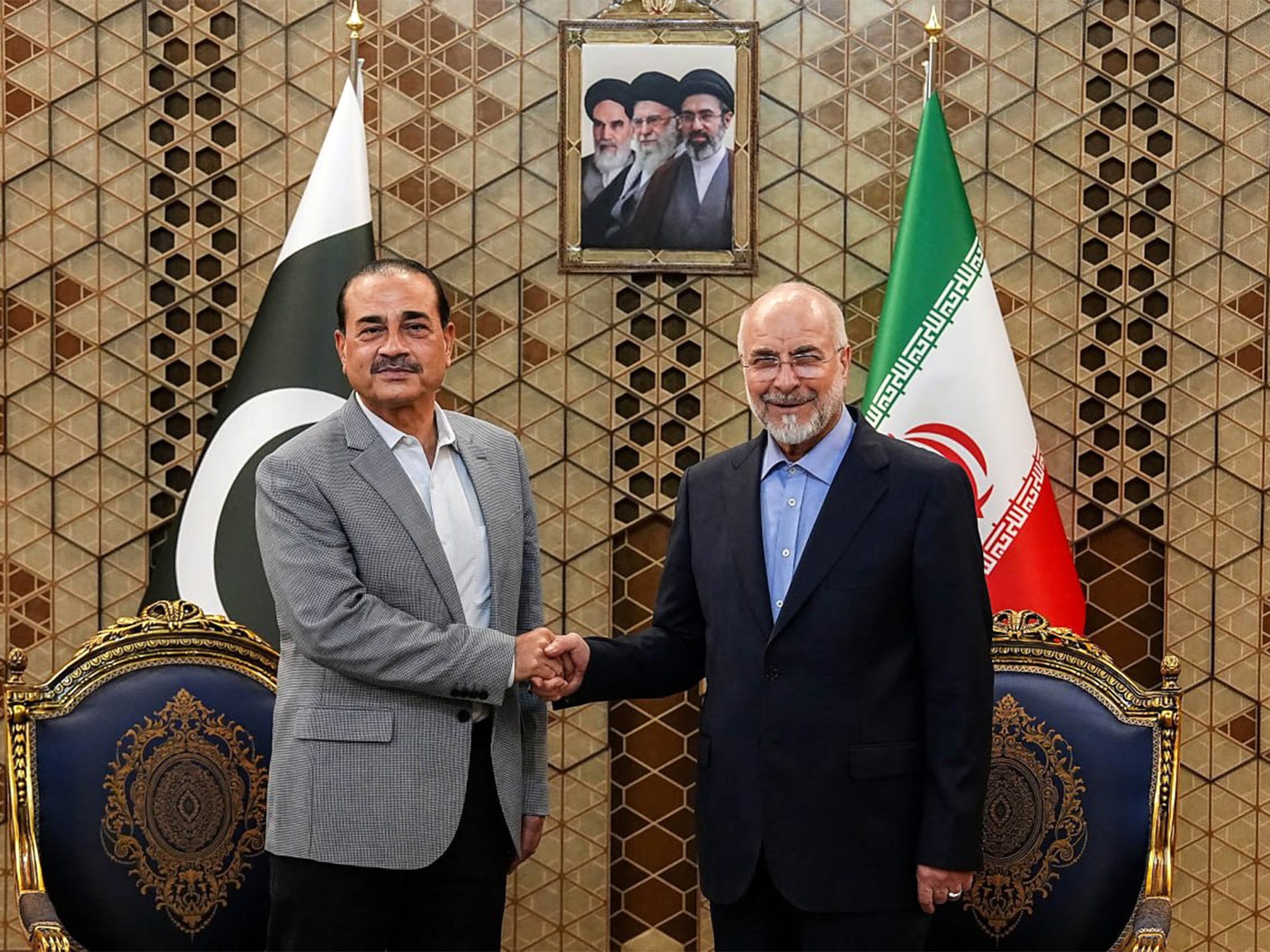
Geopolitical & Core Developments
Pakistan's military leadership has concluded a high-stakes diplomatic mission to Tehran, seeking to arrest an intensifying cycle of brinkmanship between the Islamic Republic of Iran and the United States. Against the backdrop of renewed regional skirmishes and stalled nuclear dialogues, Islamabad has positioned itself as an indispensable intermediary. The high-level delegation engaged Iranian civil and military counterparts to establish diplomatic off-ramps before direct or proxy confrontations spiral across the Persian Gulf and Levant.
For Pakistan, navigating this geopolitical triad—Tehran, Washington, and Riyadh—presents severe diplomatic complexities. Islamabad relies heavily on financial lifelines and foreign direct investment from Saudi Arabia and the United Arab Emirates, while simultaneously maintaining strategic defense and multilateral financing ties with Washington. Concurrently, sharing a volatile 900-kilometer frontier with Iran makes sustained border security and counterterrorism cooperation critical. Iranian leadership emphasized mutual sovereignty and regional deterrence during the bilateral sessions, urging Islamabad to resist external pressure campaigns orchestrated by Western powers.
Global Trade & Economic Ripples
The specter of renewed military hostilities between the United States and Iran introduces significant downside risks for global commodity flows, maritime logistics, and emerging market stability. The Persian Gulf handles approximately 20 percent of world petroleum liquids consumption, with the Strait of Hormuz serving as an indispensable chokepoint. Any operational disruption along this transit corridor triggers immediate risk premiums across Brent crude and West Texas Intermediate (WTI) futures contracts.
Beyond crude benchmarks, agricultural commodity logistics and regional fertilizer distribution face compounding pressures. The Middle East remains a core exporter of urea and nitrogen-based inputs essential for Asian agriculture. Heightened risk ratings along Persian Gulf routes increase marine hull insurance premiums, elevating freight rates and compounding imported inflation for frontier economies across South Asia and East Africa. For Pakistan, already contending with severe macroeconomic stabilization targets under International Monetary Fund oversight, an energy price shock would severely erode foreign exchange reserves and widen current account deficits.
Related Intelligence: Sudanese Army Drone Strikes Kill Over 200 in Escalating Civil Conflict
International Reactions & Diplomatic Stances
International responses to Islamabad's intervention reflect broader systemic anxieties regarding Middle Eastern stability. Officials at the United Nations Department of Political and Peacebuilding Affairs commended multilateral de-escalation channels, emphasizing that unresolved disputes must be settled through established international legal frameworks. European Union foreign policy envoys reiterated support for diplomatic containment, underscoring that a broader theater conflict would dismantle remaining oversight mechanisms surrounding Iranian nuclear enrichment activities.
In Washington, official responses remained guarded. State Department briefers underscored that while the United States values regional efforts to curb destabilizing actions, Tehran must cease proxy provocations and return to verifiable non-proliferation compliance. Gulf Cooperation Council capitals, led by Riyadh, have adopted a pragmatic stance, balancing domestic economic diversification plans under Vision 2030 with collective regional security considerations. Analysts at global risk consultancies note that regional capitals increasingly favor quiet diplomatic channels over overt confrontation, recognizing that asymmetric maritime or drone strikes jeopardize long-term industrial investment.
Strategic Outlook & Future Scenarios
The trajectory of Pakistan-Iran-US diplomacy will hinge on upcoming diplomatic junctures and potential triggers along maritime transit corridors. In the immediate term, Islamabad will brief Gulf partners and American interlocutors on the contours of the Tehran discussions. Sustained de-escalation depends on backchannel assurances regarding target deconfliction and maritime safety protocols.
Should backchannel mechanisms fail, baseline projections indicate an uptick in asymmetric naval engagements, increased sanctions enforcement targeting Iranian petrochemical exports, and retaliatory interdictions in the Gulf of Oman. Conversely, a managed diplomatic thaw could revive discussions surrounding bilateral border markets, formal trade regularizations, and long-delayed regional energy infrastructure projects. For global markets and international commerce, maintaining the operational integrity of the Persian Gulf remains the non-negotiable metric of stability.
Join Our Official WhatsApp Channel
Receive live commodity alerts, policy changes, and commercial intelligence directly on WhatsApp.