
UK Counter-Terror Police Re-Arrest Two Men Suspected of Aiding Iranian Intelligence
British counter-terrorism police have re-arrested two men suspected of assisting Iranian intelligence operations, heightening tensions between Western security agencies and Tehran amid sensitive regional conflicts.
Geopolitical & Core Developments
British counter-terrorism police have re-arrested two men on suspicion of assisting Iranian foreign intelligence services, marking a significant escalation in domestic national security enforcement. The arrests, executed under the provisions of the UK National Security Act, follow an ongoing probe into covert surveillance and hostile state activity directed at critical allied military infrastructure.
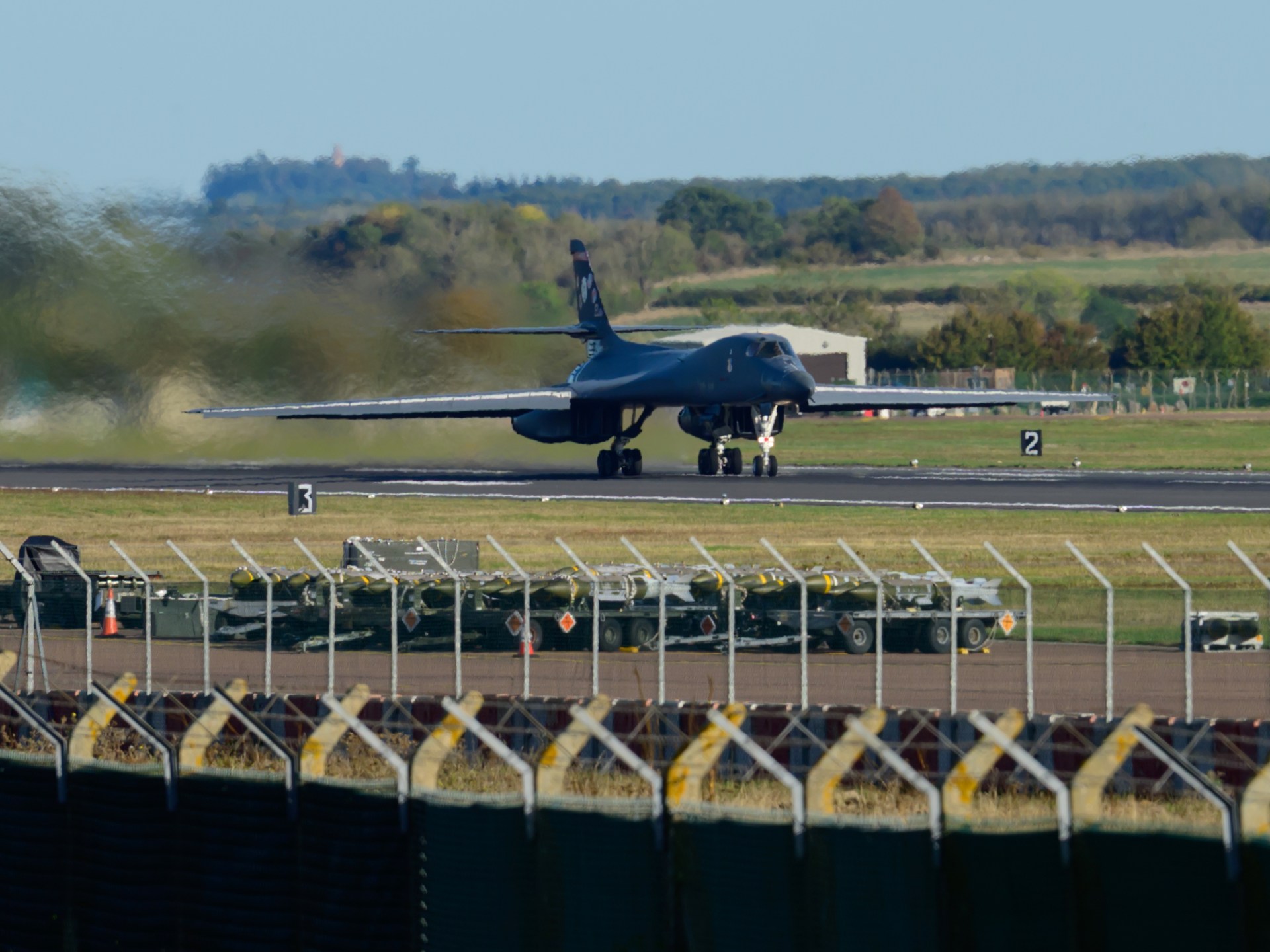
The two individuals had previously been detained in connection with a security incident at a strategic United Kingdom airbase utilized by United States forces during kinetic engagements against Iranian targets earlier this year. Authorities have intensified monitoring of state-backed espionage networks, as European security services repeatedly warn of Tehran's expanding efforts to surveil, disrupt, and intimidate targets across Western capitals. Metropolitan Police counter-terrorism units, operating alongside intelligence partners, reaffirmed that hostile foreign interference remains one of the primary vectors of operational concern for domestic and allied defense installations.
Global Trade & Economic Ripples
While localized to domestic security infrastructure, covert hostile actions of this nature generate tangible ramifications across global commerce, energy transit, and institutional risk metrics. Sovereign intelligence confrontations in Western territories compound geopolitical risk premiums that directly affect global energy markets, particularly given Iran's strategic leverage over the Strait of Hormuz.
Maritime logistics operators and commodity traders closely monitor diplomatic ruptures between the UK and Iran for early signals of reciprocal escalation. In the shipping sector, additional counter-espionage alerts often translate into stricter maritime security protocols, higher war-risk insurance premiums across Persian Gulf freight corridors, and intensified scrutiny on dual-use commercial shipments. Furthermore, multinational corporations operating within the aviation, defense manufacturing, and technology supply chains face heightened cybersecurity and physical vetting obligations to insulate operations from state-sponsored reconnaissance.
Related Intelligence: Russia Backs Iran Amid Rising Middle East Tensions and Energy Windfalls
International Reactions & Diplomatic Stances
Diplomatic relations between London and Tehran have grown increasingly strained following the incident. UK government officials reiterated their zero-tolerance stance toward foreign intelligence operations on British soil, underscoring commitments to leverage the full extent of counter-espionage and counter-subversion statutes.
Tehran has consistently rejected allegations of directing espionage or subversive operations abroad, dismissing the UK's legal maneuvers as politically motivated measures aligned with Western sanctions frameworks. Meanwhile, security officials in Washington commended the coordinated vigilance of British authorities, noting that joint defense infrastructure demands robust domestic protections against state-level hybrid threats. Multilateral security observers emphasize that intelligence-led arrests are likely to preclude any near-term diplomatic rapprochement or constructive multilateral dialogue regarding regional security agreements.
Strategic Outlook & Future Scenarios
The re-arrest of the suspects indicates that investigators have gathered additional intelligence or intercepted communication flows justifying heightened legal action under national security statutes. In the coming weeks, the UK Foreign, Commonwealth & Development Office may face mounting domestic pressure to implement secondary sanctions or formal diplomatic expulsions.
Looking ahead, Western security frameworks are expected to further tighten physical and digital surveillance perimeters around allied installations hosting expeditionary forces. If formal indictments corroborate state-directed intelligence gathering on behalf of the Islamic Revolutionary Guard Corps or associated intelligence directorates, European partners may be urged to align sanctions regimes more closely with Washington, cementing a protracted posture of containment across trade, security, and diplomatic domains.
Join Our Official WhatsApp Channel
Receive live commodity alerts, policy changes, and commercial intelligence directly on WhatsApp.