
US Senate Debates Spotlight Diverging Foreign Policy and Border Security Agendas
Key US Senate debates in Michigan and Kansas have revealed deepening policy divides on cross-border logistics, foreign aid, and international security commitments, signaling shifts in legislative priorities.
Geopolitical & Core Developments
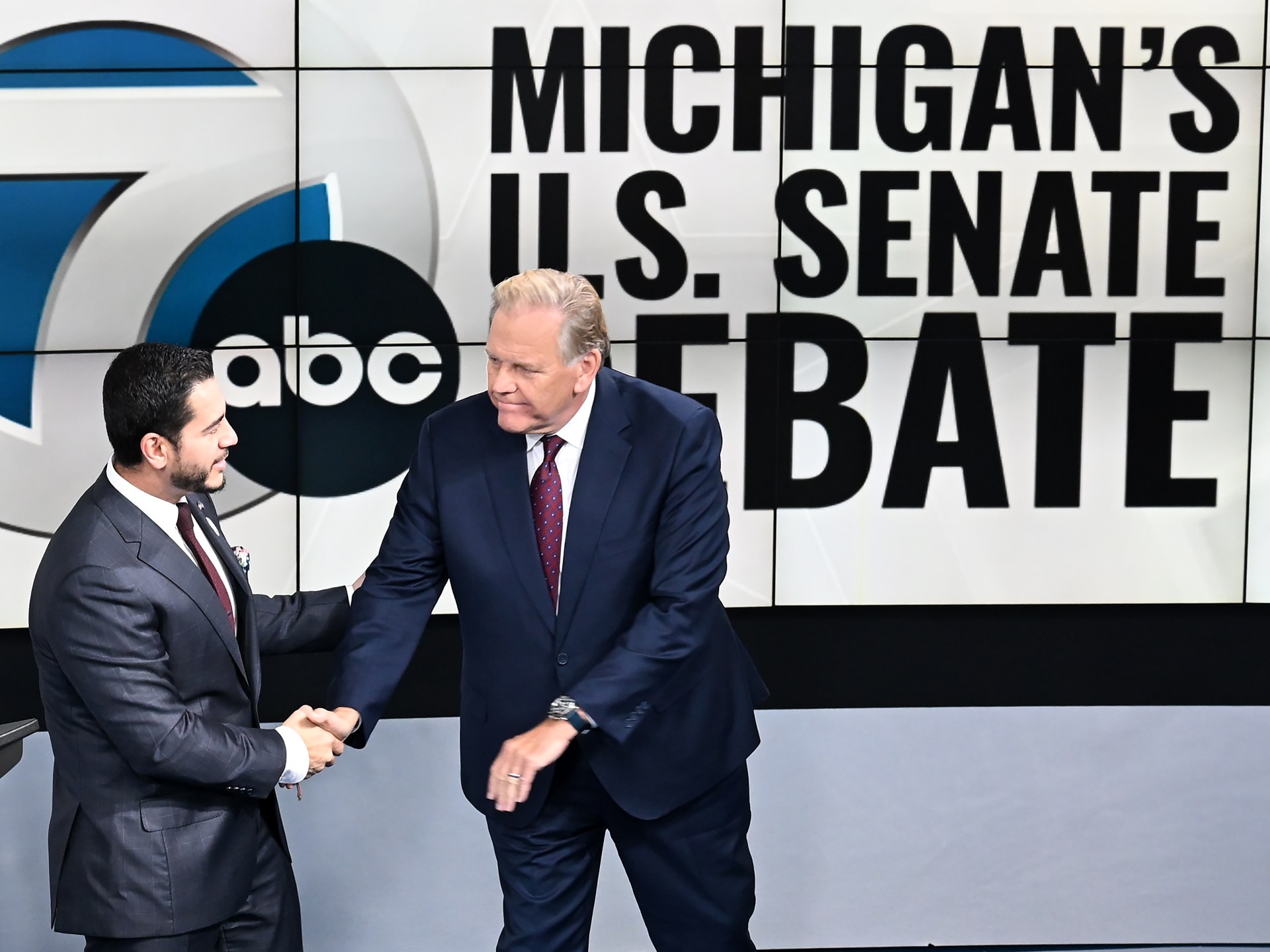
High-stakes legislative debates in critical American swing states have brought national foreign policy, immigration, and international security commitments to the forefront of domestic political discourse. In Michigan, candidates Abdul El-Sayed and Mike Rogers clashed sharply over the enforcement of federal immigration policies and the strategic management of North American trade corridors. Concurrently, candidate forums in Kansas highlighted widening rifts over the continuation of US financial and military assistance to Ukraine, illustrating how regional electoral battles increasingly reflect core geopolitical dilemmas.
These legislative races carry outsized weight for Washington's external posture. The debate in Michigan centers on a state vital to industrial supply networks and cross-border logistics with Canada, where border administration and national security intersect directly with industrial policy. Meanwhile, the sparring in Kansas underscores broader conservative skepticism toward open-ended overseas defense allocations. As international alliances face ongoing pressure points across Eastern Europe and the Middle East, the political composition of the incoming United States Senate will determine the trajectory of foreign assistance packages, defense appropriations, and the ratification of major diplomatic appointments.
Global Trade & Economic Ripples
The policy divergences articulated on the debate stage carry tangible ramifications for international commerce, manufacturing corridors, and capital allocation. Michigan represents a vital node in the United States-Mexico-Canada Agreement (USMCA) framework, particularly for automotive supply chains, advanced manufacturing, and raw material transshipment. Debates over heightened border screening and restrictive immigration measures introduce potential operational bottlenecks for cross-border freight movements, threatening just-in-time manufacturing schedules and raising landed logistics costs.
Furthermore, the rhetoric surrounding overseas commitments intersects directly with global commodity markets. Sustained congressional scrutiny over Ukraine aid influences agricultural, fertilizer, and energy trade balances. Kansas, a central hub for global wheat and grain exports, remains highly sensitive to geopolitical shifts affecting the Black Sea maritime corridor. Legislative gridlock or an abrupt shift toward isolationist fiscal policy in Washington could depress bilateral financial guarantees, unsettle sovereign debt stability in transition economies, and inject volatility into agricultural futures markets traded across the Chicago Board of Trade and European exchanges.
International Reactions & Diplomatic Stances
Allied capitals and multilateral institutions are closely tracking the domestic US political landscape for indicators of long-term strategic reliability. European defense planners have expressed quiet apprehension regarding the sustainability of transatlantic burden-sharing mechanisms should legislative majorities tilt against supplemental security spending. Officials in Brussels and Kyiv continue to emphasize that consistent US defense disbursements remain foundational to maintaining parity against Russian military initiatives.
Conversely, trade partners across the Americas and Asia-Pacific are monitoring US debates for indications of further protectionist measures. Market analysts noted that both progressive and conservative candidates have embraced skepticism toward unfettered globalization, signaling that bilateral trade frictions and stringent domestic content requirements will persist regardless of party control. Multilateral bodies, including the International Monetary Fund, have previously cautioned that fragmented trade regimes and erratic cross-border fiscal commitments risk dampening medium-term global economic expansion.
Strategic Outlook & Future Scenarios
The trajectory of US foreign engagement over the coming biennium will depend heavily on whether internationalist or non-interventionist factions capture decisive margins in upcoming general elections. In a scenario where candidates skeptical of foreign interventions gain ascendancy, the executive branch will face severe hurdles in securing congressional authorizations for bilateral aid, structural tariff waivers, and NATO operational funding.
Over the medium term, global commercial stakeholders must prepare for an environment characterized by increased regulatory scrutiny of foreign direct investment, heightened cross-border transportation vetting, and episodic legislative resistance to global stabilization initiatives. Upcoming multilateral summits, including G7 ministerial meetings and NATO defense consultations, will likely serve as proving grounds for how Washington's allies adapt their defense procurement and trade risk-mitigation strategies in anticipation of shifting US legislative priorities.
Join Our Official WhatsApp Channel
Receive live commodity alerts, policy changes, and commercial intelligence directly on WhatsApp.