
Macron Accuses Far Left of Sedition as France Bans Demonstrations
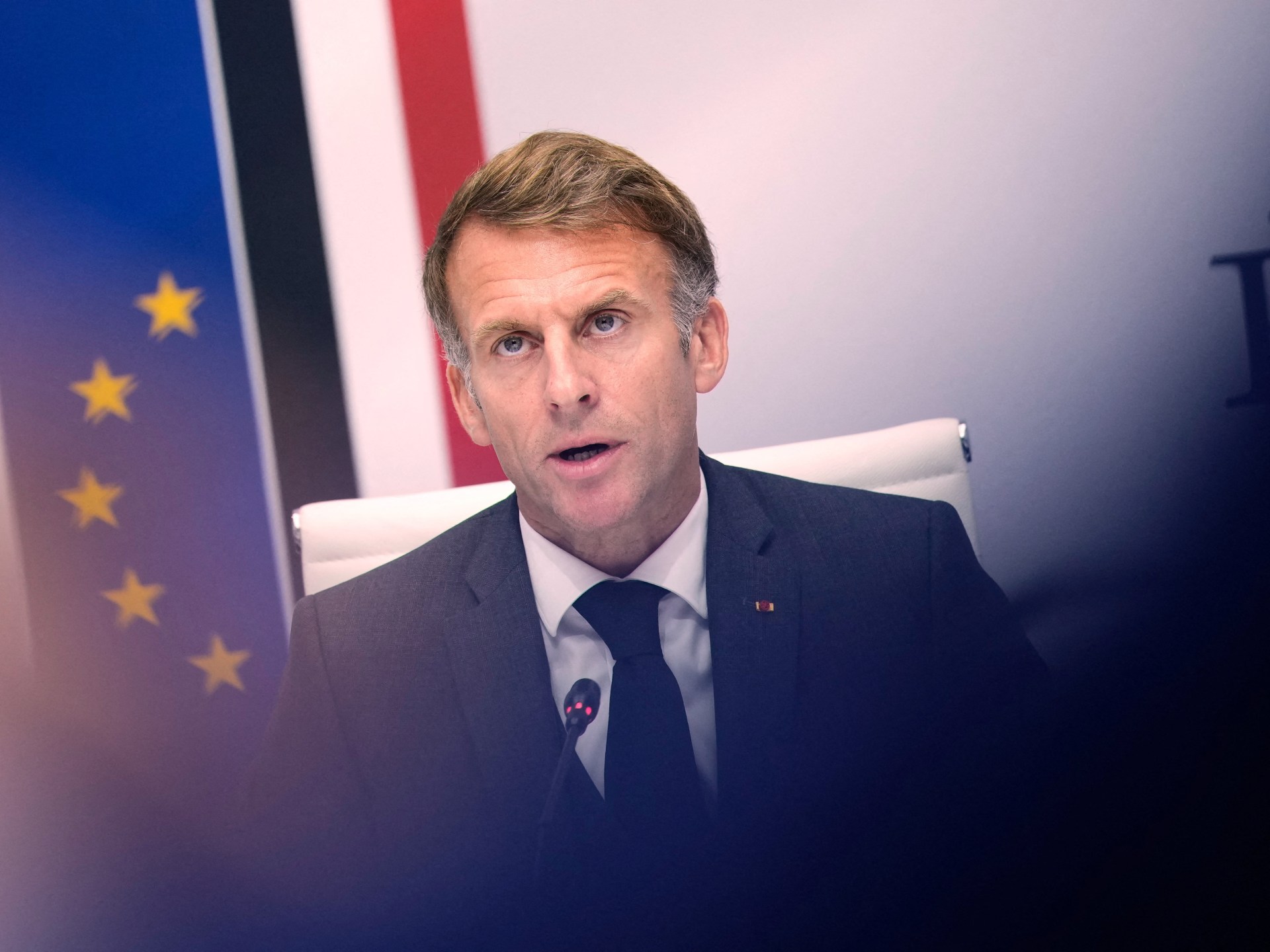
French authorities have outlawed planned demonstrations across several major metropolitan centers as President Emmanuel Macron labeled extremist factions seditious, triggering renewed concerns over domestic political stability and sovereign risk.
Geopolitical & Core Developments
French President Emmanuel Macron has sharply condemned hardline political factions, characterizing elements of the radical left as seditious following persistent civil unrest and unauthorized public disruptions. In response to mounting intelligence assessments and public security threats, the French Interior Ministry implemented comprehensive bans on scheduled demonstrations across key strategic hubs, including Paris, Lyon, Lille, and Grenoble.
The clampdown reflects deepening institutional friction within the European Union's second-largest economy. The Elysee Palace has faced a protracted crisis of legitimacy, exacerbated by polarizing fiscal consolidations, pension restructuring, and persistent parliamentary gridlock. The decision to preemptively bar demonstrations represents a calculated escalation in law enforcement posture, driven by concerns that violent fringe elements intend to target infrastructure, municipal government properties, and public transport nodes. Opposition figures across the political spectrum have pushed back forcefully, accusing the administration of circumscribing constitutional civil liberties and resorting to heavy-handed governance to bypass democratic accountability.
Global Trade & Economic Ripples
The ongoing social friction and civil restrictions carry tangible implications for European commerce, logistical operations, and financial stability. Transportation disruptions within major urban and freight transit corridors threaten inter-European supply chains, complicating cargo distribution across neighboring hubs in Belgium, Germany, and Switzerland. While strikes and urban barricades have historically produced episodic delays, sustained domestic volatility poses systemic headwinds to freight logistics and retail commercial flows across continental Europe.
From a financial vantage, persistent internal instability is placing sovereign debt markets under scrutiny. The spread between French 10-year government bonds (OATs) and benchmark German Bunds has faced recurring volatility, reflecting investor unease regarding France's capacity to rein in fiscal deficits amid political fragility. The prospect of prolonged domestic confrontation undermines foreign direct investment inflows into the European Union's core, weakening regional economic integration initiatives and dampening consumer sentiment across the eurozone.
Related Intelligence: Sudan Drone Warfare Escalation Threatens Red Sea Supply Chains and Civilians
International Reactions & Diplomatic Stances
The French government's aggressive measures and the accompanying political rhetoric have drawn close observation from international partners, multilateral institutions, and civil rights bodies. European Union counterparts in Berlin and Brussels have largely refrained from overt public criticism, privately emphasizing the critical necessity of institutional stability within the eurozone's second economic anchor.
Human rights observers and legal advocates, including representatives from the European Court of Human Rights monitor networks, have urged proportional policing, reminding Paris of its obligations under international conventions safeguarding freedom of assembly. Market rating agencies, meanwhile, have observed that internal division significantly diminishes legislative momentum required to implement structural fiscal reforms, leaving French sovereign credit ratings vulnerable to future downgrades if governance risks remain unaddressed.
Strategic Outlook & Future Scenarios
The immediate outlook suggests elevated volatility as civil groups and labor coalitions attempt to challenge protest prohibitions through clandestine demonstrations and decentralized civil disobedience. Security forces across France remain on high alert, with rapid-deployment units prepositioned around critical infrastructure and commercial centers.
In the medium term, Macron faces narrowing domestic policy options. Unable to rely on a stable parliamentary majority, the administration must either attempt reconciliatory dialogue with moderate political factions or face continuous reliance on executive decrees and police interventions to manage civic discontent. Should disruptions metastasize into prolonged industrial actions affecting energy terminals and national ports, the domestic political impasse risks spilling over into broader European trade disruptions, intensifying inflationary pressures across the continent.
Join Our Official WhatsApp Channel
Receive live commodity alerts, policy changes, and commercial intelligence directly on WhatsApp.