
Oregon School Shooting Sparks Renewed US Gun Law and Security Debates
An Oregon school shooting survivor's testimony has intensified scrutiny on United States domestic security protocols and systemic legislative inertia regarding nationwide firearm controls.
Geopolitical & Core Developments
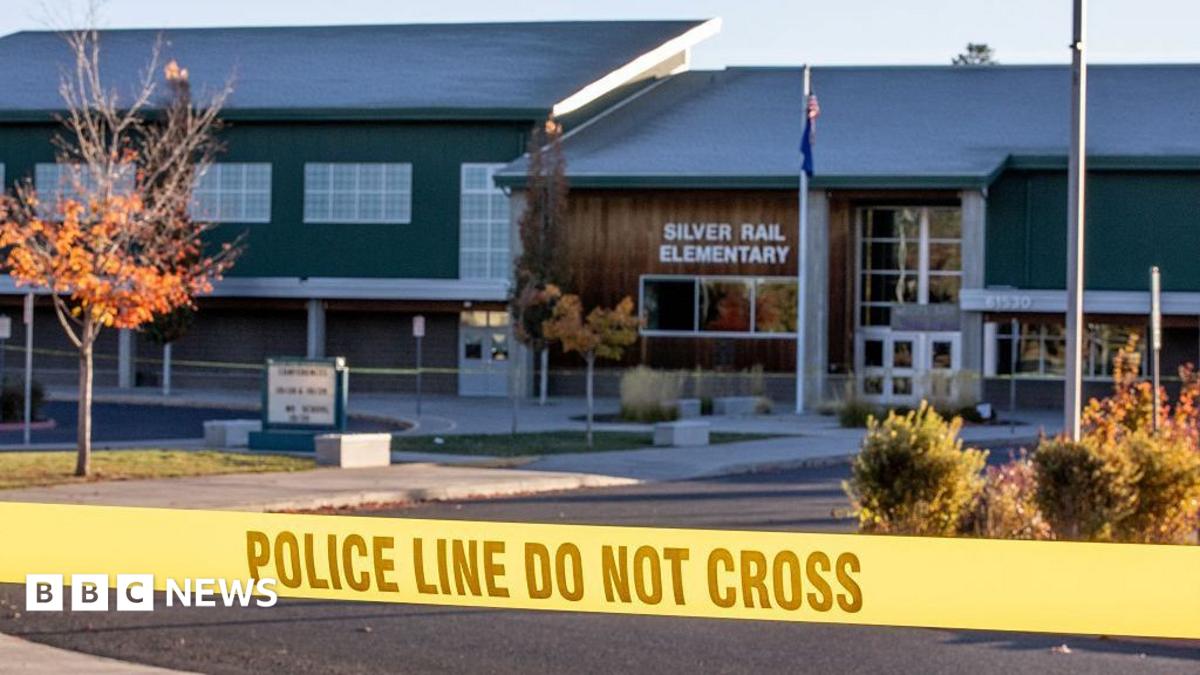
A harrowing account emerged from the recent shooting incident in Oregon, where an educator disclosed that she feigned death to survive severe wounds sustained during an active assault. The survivor described being incapacitated to the point of being unable to intervene on behalf of imperiled students. This traumatic development marks another grim chapter in an entrenched cycle of violent school-targeted incidents across the United States, presenting enduring administrative challenges to municipal, state, and federal leadership.
From a state-actor perspective, recurring incidents of mass violence in the United States increasingly function as an acute metric of internal social fragmentation. While predominantly categorized as domestic crises, these events repeatedly consume substantial legislative capital, fracturing bipartisan agendas and deflecting federal attention away from broader multilateral initiatives. Federal law enforcement agencies, alongside state emergency response authorities, have faced sustained pressure to modernize threat detection mechanisms and reassess active shooter containment frameworks across nationwide educational jurisdictions.
Global Trade & Economic Ripples
While localized violence does not directly alter primary maritime freight routes or physical hydrocarbon flows, the wider economic repercussions of pervasive violent crime across major economies are profound. In the United States, municipal and institutional expenditures on hardening public infrastructure, deploying automated surveillance, and expanding private physical security have escalated into multi-billion-dollar outlays. These defensive budgetary shifts directly divert capital away from productive educational and civil infrastructure developments.
Furthermore, the persistent frequency of domestic violence affects sovereign risk metrics and human capital retention. Multilateral corporations evaluating foreign direct investment and workforce deployments increasingly incorporate regional security volatility into operational expense modeling. The burgeoning private security sector, driven by heightened public anxiety, continues to absorb capital that would otherwise bolster innovation, trade-facilitating logistics, or advanced industrial development. Insurance underwriters across North America have responded by systematically raising liability premiums for educational facilities, public entities, and commercial venues, generating friction across institutional balance sheets.
Related Intelligence: Pakistan and EU Expand Strategic Counterterrorism Ties at Bilateral Dialogue
International Reactions & Diplomatic Stances
International commentary regarding recurring American mass casualty events remains marked by acute concern and diplomatic restraint. The United Nations Committee on Human Rights and specialized international human rights monitors have periodically highlighted systemic public safety deficits, linking uncurbed firearm violence to structural failures in protecting fundamental civilian rights. Several traditional diplomatic partners across the European Union and the G7 have maintained updated consular travel advisories, alerting foreign nationals to domestic security anomalies inside the United States.
Conversely, geopolitical adversaries often leverage recurring internal violence within US borders to question the stability and efficacy of Western governance models. By emphasizing recurrent domestic crises, counter-bloc narratives aim to blunt Western diplomatic leverage on matters of global governance, international law, and civic stability abroad. International institutional observers increasingly assess these systemic failures through the lens of internal institutional sclerosis, noting that the inability to forge policy consensus on firearm regulations compromises the projected authority of the world's largest economy.
Strategic Outlook & Future Scenarios
The trajectory of domestic security policy in the United States remains structurally gridlocked. In the near term, federal legislative intervention is expected to remain largely paralyzed by persistent constitutional polarization and entrenched lobbying mechanisms. Consequently, the primary operational burden will fall upon municipal governments and private safety contractors, who will continue to deploy technological deterrents, such as predictive algorithmic surveillance and structural fortifications.
Looking forward, prolonged domestic safety crises may continue to burden administrative governance, sapping administrative energy ahead of critical international engagements. Unless structural legislative compromises are realized, recurring internal security ruptures will persist as a tangible vulnerability, eroding domestic social cohesion and complicating Washington's external diplomatic assertions regarding institutional resilience. The ongoing trajectory suggests that without systemic domestic reforms, localized tragedies will continue to exert a quiet, compounding drag on national stability and international reputation.
Join Our Official WhatsApp Channel
Receive live commodity alerts, policy changes, and commercial intelligence directly on WhatsApp.