
US Rejects Iranian Hormuz Plan as Energy Markets Stare at Stalemate
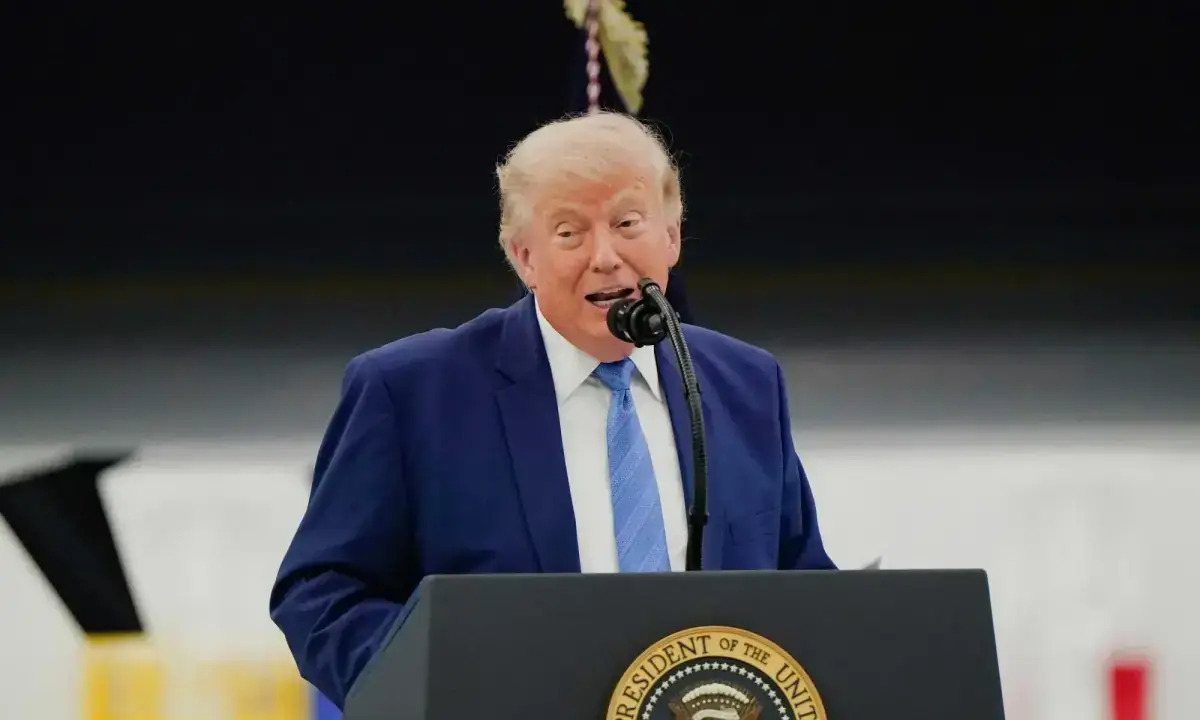
President Trump has rejected Iran's proposed plan to reopen the vital Strait of Hormuz, deepening a seven-month geopolitical standoff that threatens global oil supplies and economic stability across South Asia.
The Core Development
The geopolitical confrontation between the United States and Iran has hit a fresh roadblock following Washington's outright rejection of Tehran's newly proposed maritime framework. The diplomatic maneuver, aimed at reopening the strategic Strait of Hormuz, collapsed after US President Donald Trump dismissed the overture. The vital maritime corridor, responsible for moving a significant portion of the world's daily petroleum consumption, remains the ultimate pressure point in a grinding conflict that has persisted for nearly seven months without a formal ceasefire or diplomatic breakthrough.
Despite the hardening stance from the White House, recent diplomatic engagement at the United Nations General Assembly in New York offered fleeting optimism. Iranian Foreign Minister Abbas Araghchi engaged in high-stakes discussions on Tuesday with US special envoy Steve Witkoff, utilizing diplomatic channels mediated by Qatar. Tehran reportedly conveyed a detailed, seven-day conditional blueprint designed to normalize traffic through the shipping lane. However, Washington's refusal to accept these terms highlights the deep chasm remaining between American strategic demands and Iranian concessions, leaving the waterway heavily militarized and vulnerable to ongoing disruptions.
Commercial & Economic Implications
For import-dependent economies like Pakistan, the protracted closure and volatility surrounding the Strait of Hormuz carry severe macroeconomic repercussions. As a net energy importer, Pakistan's domestic retail trade, wholesale distribution networks, and manufacturing sectors are inextricably linked to international crude benchmarks. Any prolonged blockage or heightened risk premium in this arterial trade route immediately transmits shockwaves into the domestic economy, elevating petroleum, oil, and lubricant (POL) prices at retail pumps.
The cascading effect of inflated energy tariffs inevitably triggers broader cost-push inflation, squeezing industrial output and escalating transportation expenses for goods moving across domestic supply chains. Kalyar Traders notes that higher freight charges and energy inputs directly compress retail margins, erode consumer purchasing power, and complicate the State Bank of Pakistan's monetary stabilization efforts. Furthermore, foreign exchange reserves remain acutely vulnerable to sudden spikes in global energy import bills, threatening exchange rate stability and fiscal consolidation targets.
Related Intelligence: Bangkok Flood Crisis Threatens Regional Supply Chains and Logistics
Stakeholder Perspectives & Market Reactions
Business councils, trade federations, and commodity market analysts in Pakistan are expressing growing apprehension over the impasse in New York. Major industry bodies point out that persistent energy supply uncertainty undermines long-term business planning, discourages private sector investment, and drives up operating costs across export-oriented manufacturing units such as textiles and agro-processing.
Legal and shipping experts emphasize that international maritime insurance rates for vessels traversing the Persian Gulf have surged, inflating landed costs for essential industrial raw materials. Official economic managers are closely monitoring international Brent crude fluctuations, urging multilateral financial institutions to factor in potential supply shocks as they evaluate Pakistan's external financing outlook and balance of payments trajectory.
Forward Outlook & Key Watchpoints
As diplomatic channels through Qatari mediation face immediate setbacks, market observers are focusing on upcoming diplomatic touchpoints and military posture shifts in the Persian Gulf. Key indicators to watch include any modifications to US secondary sanctions enforcement, shifts in OPEC+ production quotas aimed at cushioning potential supply deficits, and secondary backchannel negotiations between Washington and Tehran.
For commercial enterprises in Pakistan, risk mitigation strategies must prioritize supply chain diversification, energy efficiency, and flexible contract pricing. Policymakers will need to maintain robust strategic petroleum reserves and contingency import mechanisms to shield domestic markets from sudden external shocks should the maritime standoff in the Strait of Hormuz escalate further in the coming weeks.
Join Our Official WhatsApp Channel
Receive live commodity alerts, policy changes, and commercial intelligence directly on WhatsApp.