
Pope Leo Draws Massive Paris Crowds as France Navigates Diplomatic Tensions
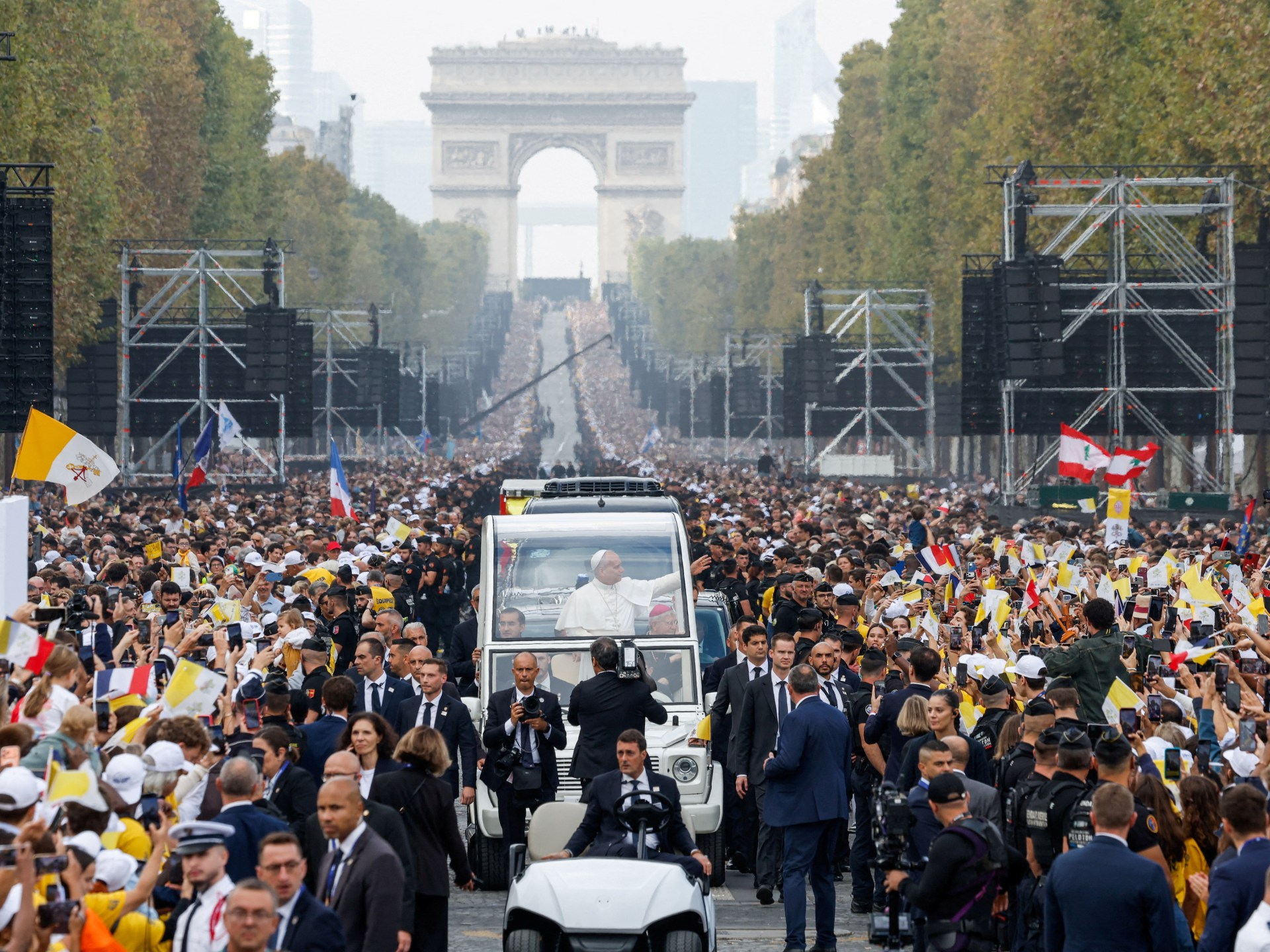
Pope Leo's massive open-air mass in Paris draws 700,000 attendees, intersecting with complex European diplomatic and economic priorities.
Geopolitical & Core Developments
Pope Leo's four-day apostolic journey to France reached a monumental milestone as an estimated 700,000 faithful gathered in Paris for a historic open-air mass. The Vatican's confirmation of the attendance figures underscores the enduring soft-power influence of the Holy See within Western Europe, even as secularism deeply shapes the continent's socio-political landscape. French President Emmanuel Macron's administration views the papal visit through a dual lens of domestic integration and international prestige. While the gathering highlights France's central role in European diplomacy, it also tests national security apparatuses currently stretched across multiple domestic and international fronts. The itinerary includes high-level bilateral talks addressing European security architecture, migration policy, and the resurgence of populist nationalism across member states of the European Union.
The geopolitical timing of the visit is particularly delicate. As Paris positions itself as a primary broker in transatlantic trade discussions and Mediterranean security frameworks, the moral authority invoked by the Papacy provides a backdrop for European leaders to recalibrate their multilateral commitments. State actors across the continent are closely watching how the French government manages the vast logistical footprint of the papal tour, which requires unprecedented inter-agency coordination between local law enforcement, intelligence services, and municipal transit authorities.
Global Trade & Economic Ripples
Beyond its spiritual and diplomatic dimensions, a gathering of this magnitude introduces distinct economic pulses across European commerce and global commodity markets. The influx of hundreds of thousands of religious tourists into the French capital creates localized spikes in hospitality, retail, and urban transport revenues, offering a temporary boost to a French retail sector grappling with persistent inflationary pressures and sluggish consumer confidence. However, the operational paralysis associated with securing major metropolitan arteries for papal events also imposes short-term productivity losses and logistical friction for regional supply chains operating within the Île-de-France region.
More broadly, the themes emphasized by Pope Leo during his addresses—particularly climate finance, ecological transition, and ethical capitalism—feed directly into the ongoing deliberations surrounding the European Green Deal and corporate sustainability due diligence directives. Global commodity traders and energy conglomerates are increasingly factoring these socio-political pressure points into long-term capital allocation strategies. The intersection of Vatican social doctrine with European regulatory frameworks continues to influence institutional investor sentiment, particularly regarding ESG (Environmental, Social, and Governance) compliance and sovereign debt issuance tied to green transition initiatives across the Eurozone.
Related Intelligence: Geopolitical and Economic Ramifications of Major European Sporting Showdowns
International Reactions & Diplomatic Stances
International reaction to the papal tour has been characterized by watchful diplomacy. Representatives from the United Nations and various multilateral institutions have praised the Pope's consistent advocacy for marginalized populations and international solidarity. Simultaneously, market analysts and foreign policy think tanks are dissecting the diplomatic subtext of the visit. European Union officials have noted that the Holy See's emphasis on continental unity serves as a timely counterweight to rising protectionist tendencies and trade friction among key member states.
Financial markets have registered minimal direct volatility as a result of the visit, yet currency strategists note that the underlying stability of the Euro remains tethered to how effectively major European economies balance massive public expenditures with fiscal consolidation mandates. Official statements from foreign ministries in neighboring Germany and Italy emphasize the stabilizing value of Franco-German leadership in maintaining European cohesion amid ongoing geopolitical shocks originating from Eastern Europe and the Middle East.
Strategic Outlook & Future Scenarios
Looking ahead, the ripple effects of Pope Leo's French tour will likely influence upcoming multilateral summits, including the G7 and upcoming European Council meetings. The moral and ethical imperatives raised during the visit—ranging from international migration management to the ethics of artificial intelligence and global wealth distribution—will feature prominently in upcoming legislative agendas across the European Parliament.
For international corporations and institutional investors, the primary takeaway is the persistent intersection of cultural diplomacy with commercial strategy in Europe. As geopolitical polarization tests the resilience of international supply chains and trade pacts, the ability of European states to manage large-scale domestic events while maintaining fiscal discipline will remain a critical metric for global market confidence. Upcoming diplomatic engagements will test whether the rhetorical unity inspired by such monumental gatherings can translate into concrete multilateral policy action.
Join Our Official WhatsApp Channel
Receive live commodity alerts, policy changes, and commercial intelligence directly on WhatsApp.